AI Generated Image
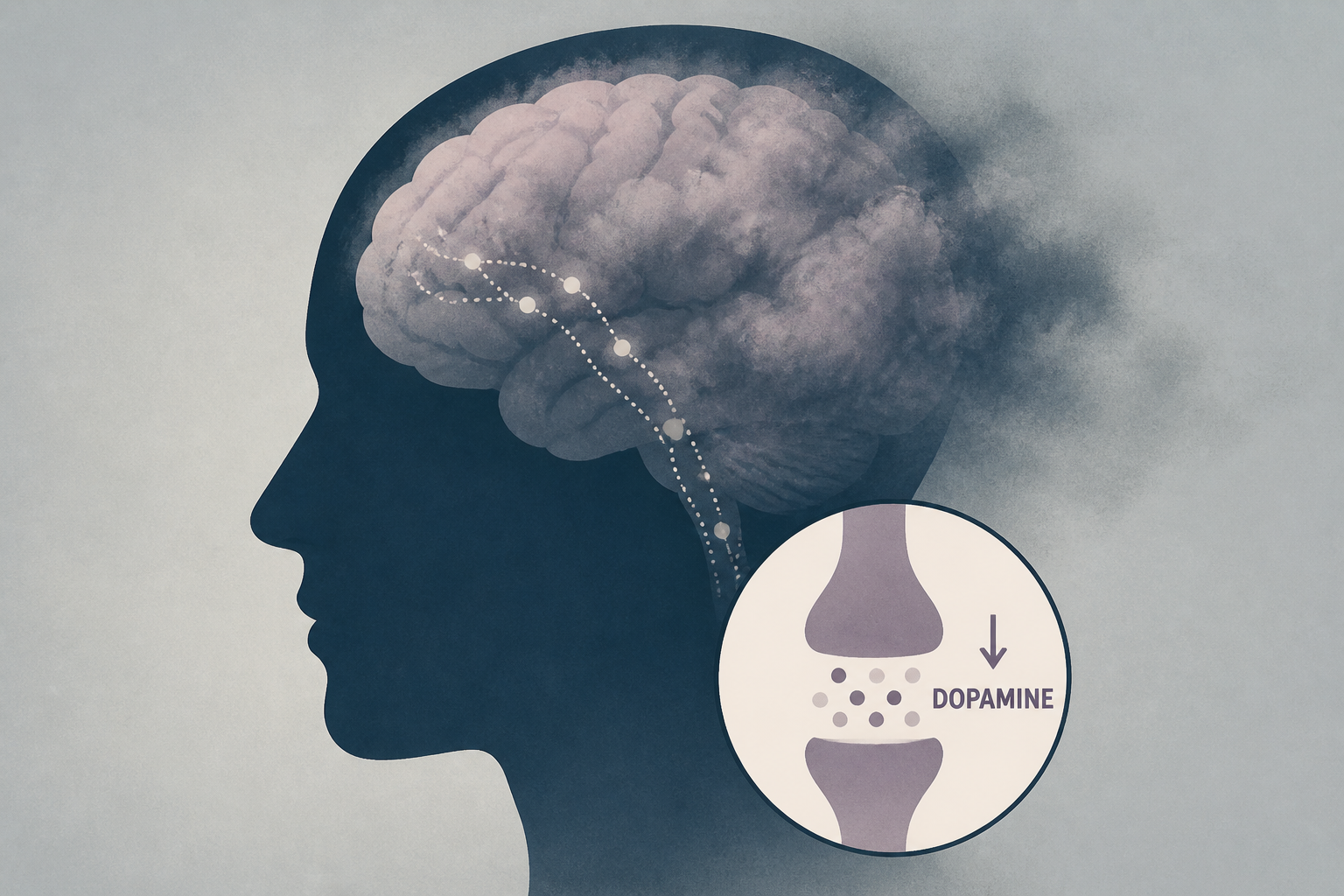
Long COVID's brain fog finally has a biological explanation: Dopamine loss
Fortune • • business
Key Points:
- A new study by researchers at the Centre for Addiction and Mental Health and the University of Toronto found that long COVID patients have significantly lower levels of VMAT2, a protein related to dopamine release, in brain regions tied to motivation, movement, and memory compared to healthy individuals.
- The reduction in VMAT2 ranged from 16% in the dorsal putamen (planning region) to 20% in the ventral striatum (motivation and apathy region), with these decreases closely linked to symptoms like memory problems, slowed movement, and loss of motivation.
- This study builds on prior research showing elevated inflammation in the same brain regions and suggests that inflammation and dopamine nerve terminal damage may be interconnected processes contributing to long COVID symptoms.
- The identification of dopamine nerve terminal loss provides a biological marker for long COVID, which has previously lacked objective diagnostic indicators, potentially paving the way for targeted treatments.
- Researchers are preparing a clinical trial to test a dopamine-related medication that crosses into the brain, aiming to offer medical intervention for patients whose recovery is hindered by ongoing inflammation, though funding challenges have delayed the trial's progress.


