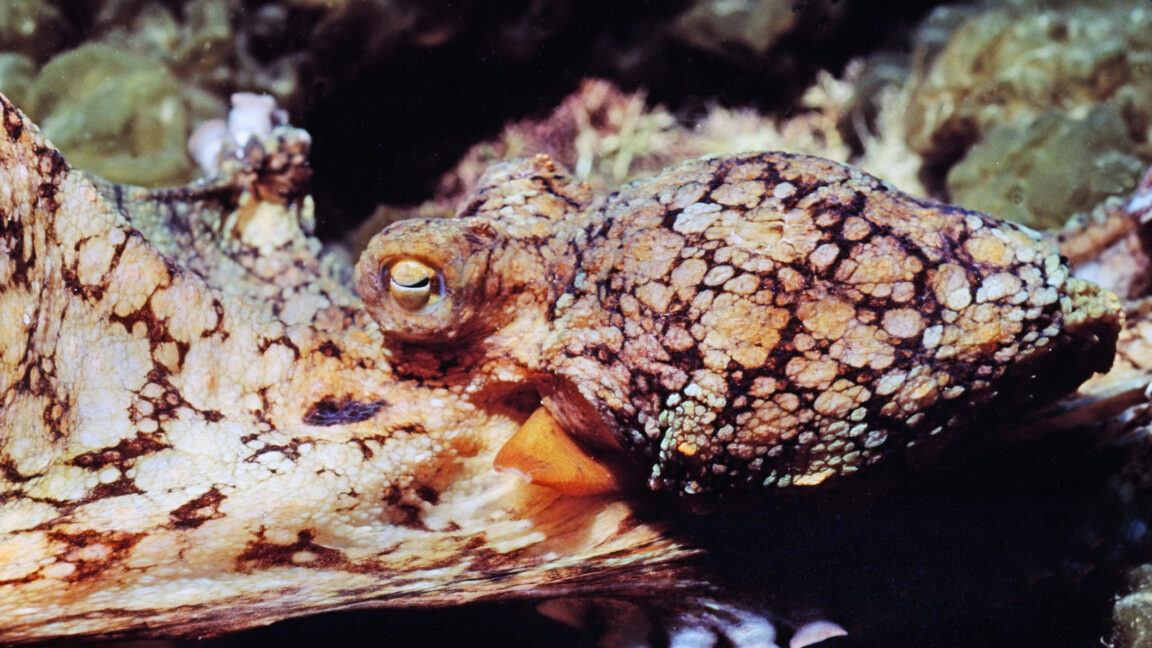
Male octopuses guided through mating by female hormones
Ars Technica • • health
Key Points:
- Scientists led by Pablo S. Villar at Harvard studied octopus mating behavior for the first time, discovering that male octopuses use a specialized appendage called the hectocotylus to inseminate females through an invasive process involving insertion into the female's mantle cavity.
- The male octopus locates the female's oviduct using chemical cues, specifically detecting progesterone via chemotactile receptors on the hectocotylus, which are structurally similar to sensory suckers used for hunting.
- This chemical sensing mechanism evolved from ancestral neurotransmitter receptors and is conserved across various cephalopod species, indicating an ancient and fundamental role of chemosensation in reproduction.
- The study raises further questions about mate selectivity, chemical cue variations during the female reproductive cycle, and how octopuses avoid predation during their prolonged, motionless mating process.
- Future research aims to identify additional species-specific chemical signals and explore mating behaviors across different octopus species, which requires long-term breeding and rearing efforts in laboratory conditions.


