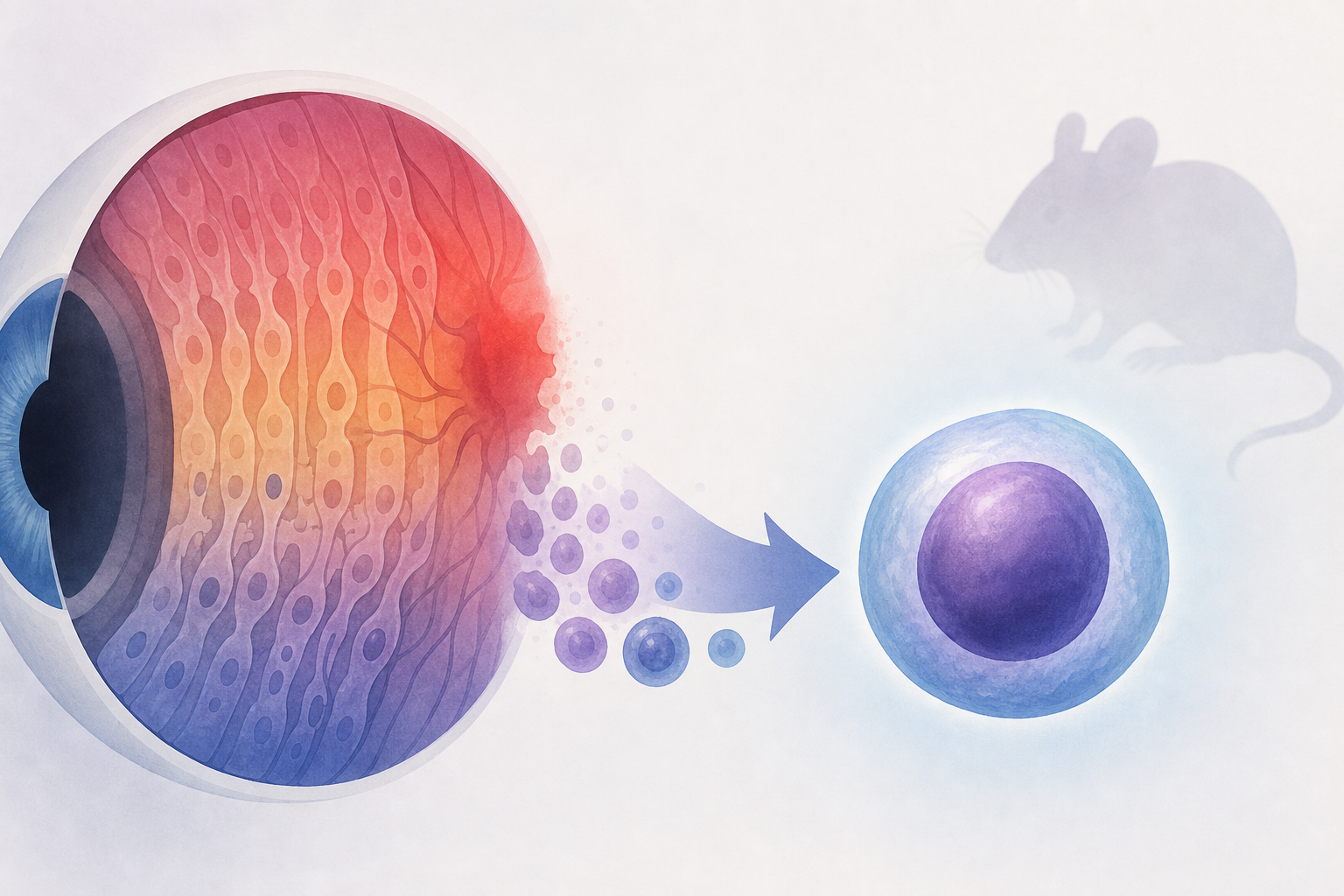
AI Generated Image
Mature eye cells turn back into stem cells after injury, mouse study finds
Medical Xpress • • science
Key Points:
- Technion researchers discovered that mature, aged cells can revert to active stem cells to regenerate damaged tissue, challenging the belief that stem cell loss is irreversible and requires external transplantation.
- Using a fluorescent labeling system in mice corneas, the team found that the cornea can self-regenerate even after all stem cells are destroyed, with mature cells undergoing reprogramming to function as lifelong stem cells.
- Immune cells, particularly macrophages, play a crucial role in triggering this reprogramming by secreting signals that rejuvenate aged cells, enabling long-term tissue repair.
- This natural regeneration mechanism could lead to therapies that harness the body's own ability to heal, potentially reducing the need for transplants, especially in tissues like the cornea where stem cell damage causes vision loss.
- While the study was primarily in mice, early human cell results are promising, and researchers are now exploring how to control and apply this process in regenerative medicine for humans.


