AI Image
Membership Without Membership: What Can Europe Really Offer Canada?
Council on Foreign Relations • • general
Key Points:
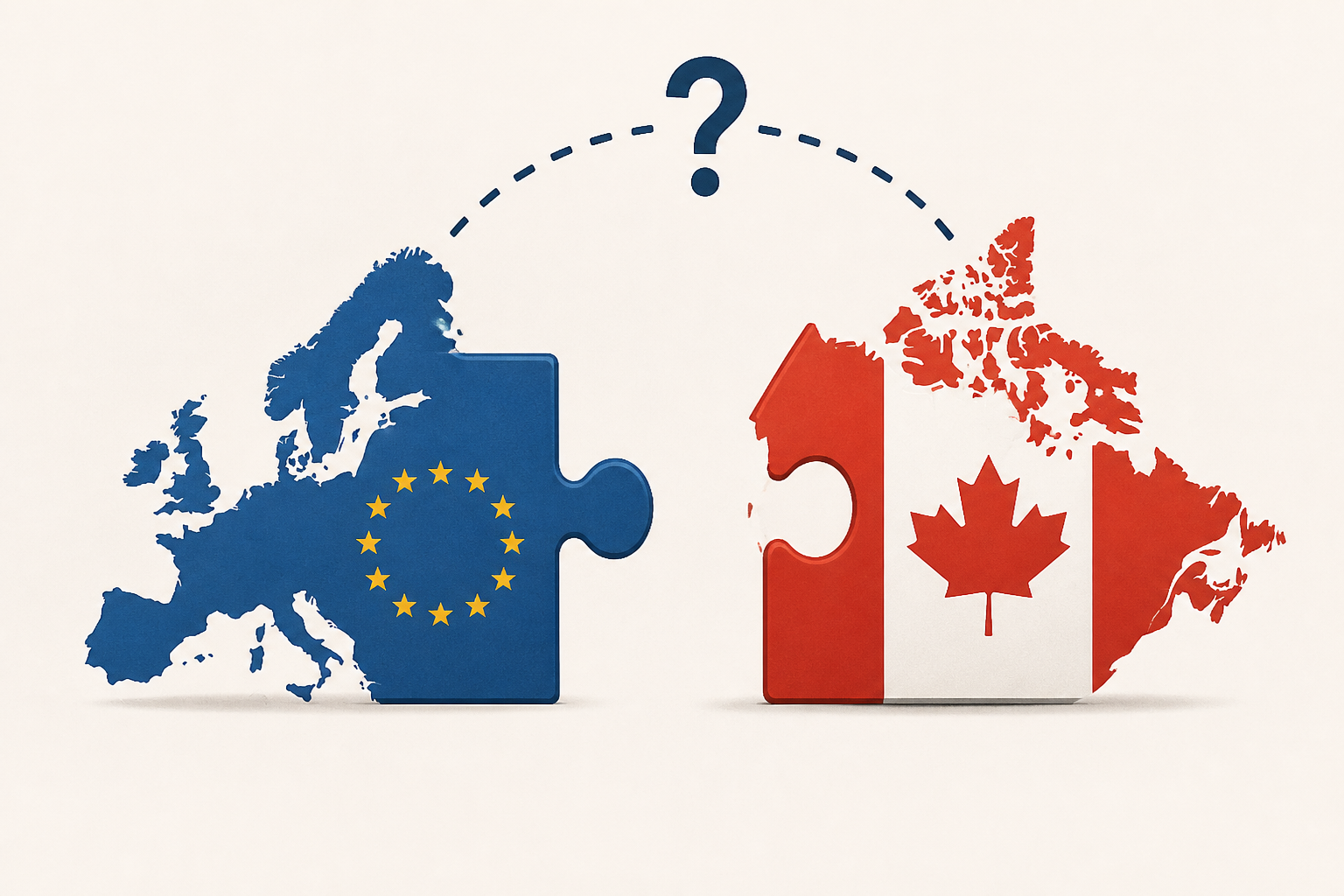
- European Commission President Ursula von der Leyen proposed creating an “Alliance for the Future” with Canada, potentially making Canada the first associate member of the EU, a suggestion supported by European Parliament President Roberta Metsola, who also mentioned Australia and New Zealand as possible future members.
- U.S. President Donald Trump strongly opposed the proposal, calling it “laughable” and threatening severe tariffs on Europe if the arrangement was seen as hostile, while simultaneously restricting Canadian goods from the U.S. federal procurement market.
- Canadian Prime Minister Mark Carney welcomed closer ties with Europe, emphasizing the need to diversify trade away from heavy dependence on the U.S. amid rising economic coercion and geopolitical tensions, and outlined ambitious cooperation goals including defense, AI, energy, and education.
- The EU treaties currently lack a formal category of “associate member,” and any new arrangement would require unanimous approval from EU member states, many of whom are cautious about creating privileged access without full membership obligations.
- The proposal reflects a broader shift in EU strategy to create flexible partnerships beyond full membership, responding to geopolitical pressures and economic vulnerabilities, although significant political and legal hurdles remain before such an alliance can be realized.


![Asus Googlebook shows off a big trackpad and plenty of ports in leaked images [Gallery]](https://media-cdn.cashwalklabs.io/https%3A%2F%2Fs3.us-west-2.amazonaws.com%2Fimages.cashwalklabs.io%2F0_admin%2Fnews-ai-images%2F01a0b68d-ee3d-710b-bfc1-fecb6ceac47e.webp?format=webp&w=120&h=80)


