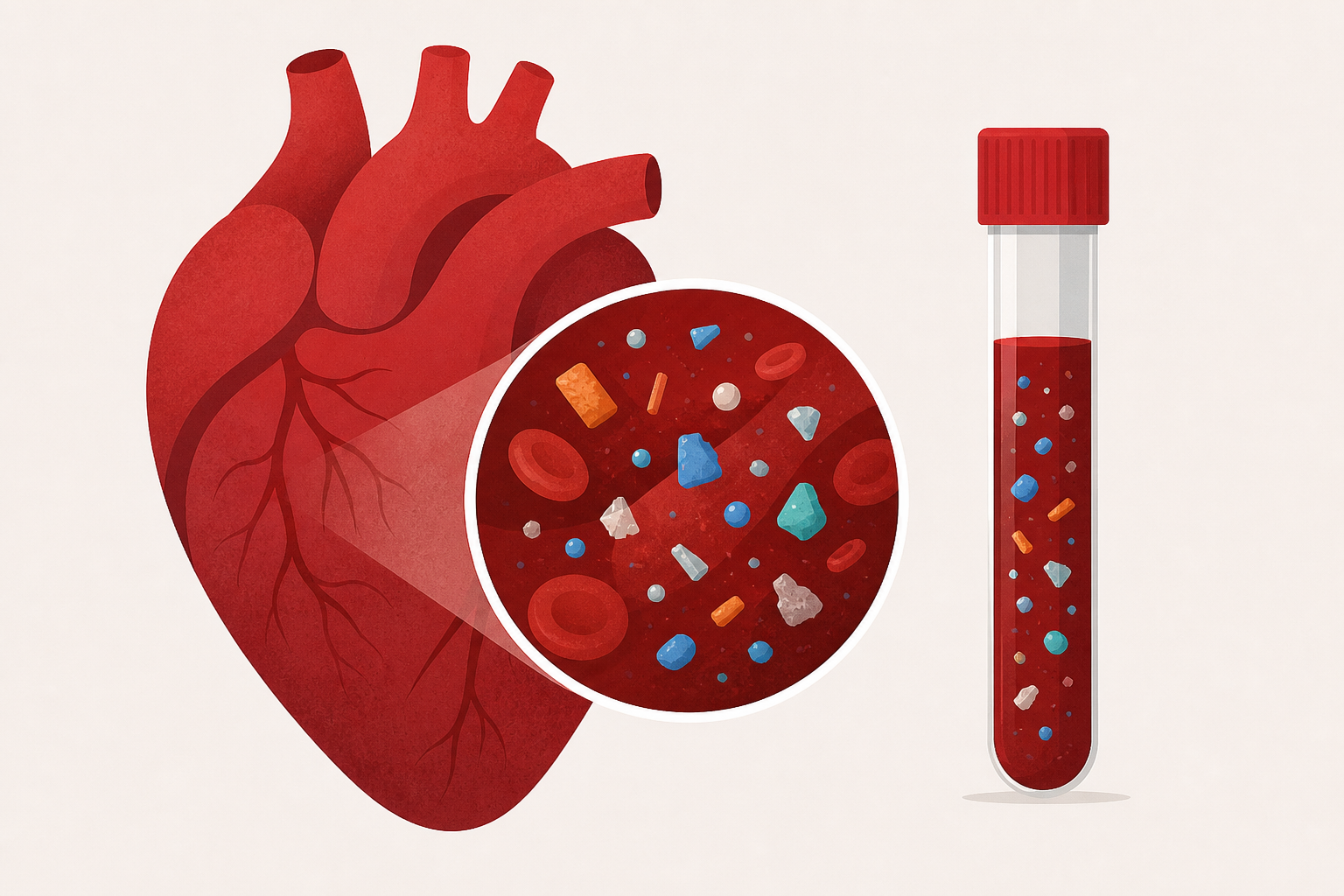
AI Generated Image
Microplastics found at higher levels in heart attack patients' blood
Fox News • • health
Key Points:
- A study by Italian researchers found that patients experiencing severe heart attacks had significantly higher levels of micro- and nanoplastics in their blood compared to those with stable heart conditions or normal arteries.
- The research, published in the European Heart Journal, analyzed blood samples from 61 patients undergoing angiograms and detected microplastics in 84% of severe heart attack cases, 40% with chronic heart disease, and 32% with normal arteries.
- Polyethylene, a common plastic material, was present in 97% of patients who tested positive for microplastics, suggesting widespread exposure.
- Experts caution that while the study shows an association between microplastics and heart attacks, it does not establish causation, and factors like smoking and air pollution complicate the relationship.
- To reduce exposure, health professionals recommend practical measures such as using glass or ceramic containers instead of plastic for food storage and reheating, and limiting the use of plastic water bottles and single-use plastics.


