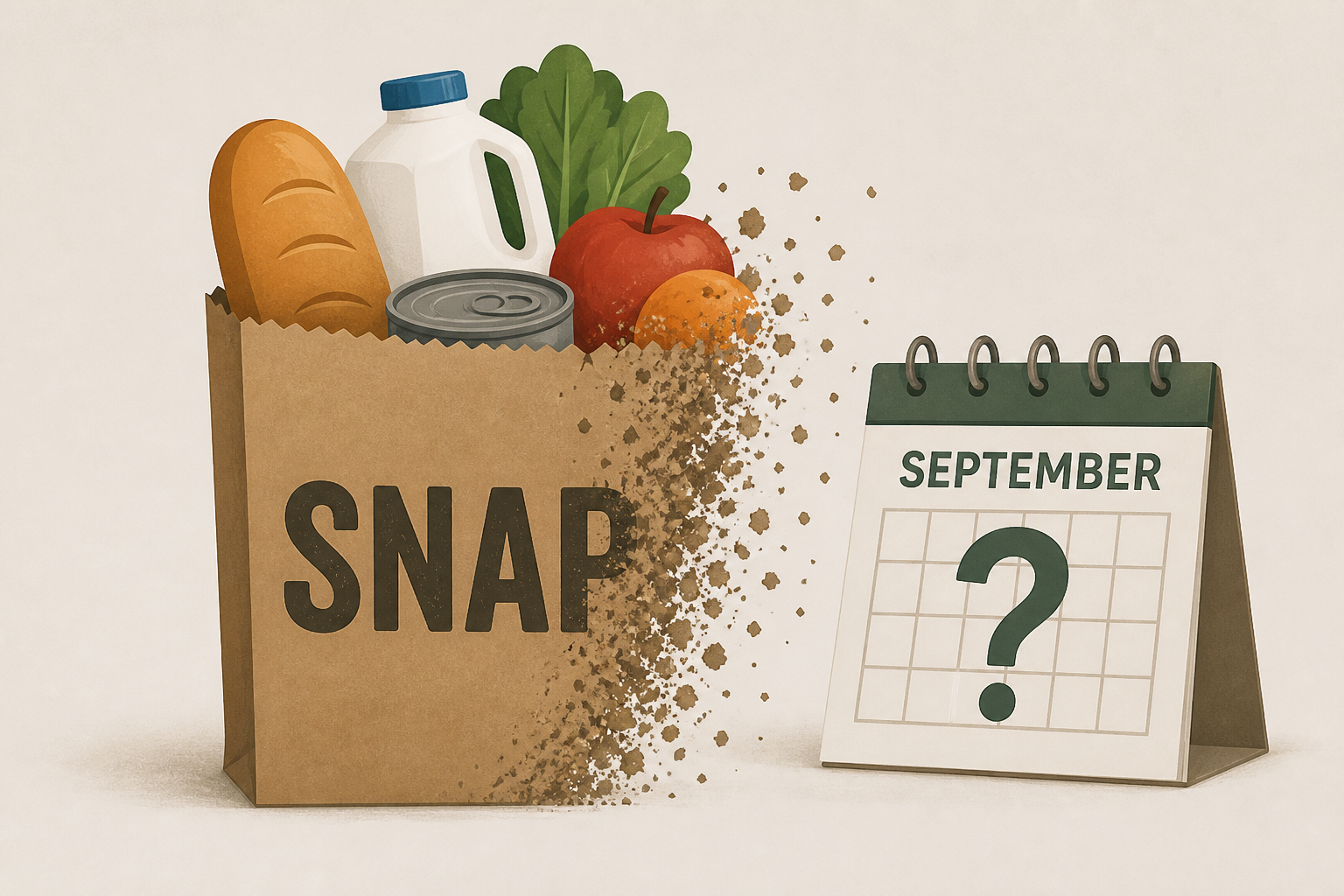
AI Generated Image
Millions dropped from SNAP food assistance as funding faces September uncertainty
ABC News - Breaking News, Latest News and Videos • • world
Key Points:
- Starting October 1, states will be required to cover 75% of SNAP administrative costs, with a gradual shift of benefit funding from federal to state governments set to begin in the coming years, raising concerns among food assistance groups.
- Since the enactment of the GOP's H.R. 1 budget bill, approximately 5 million Americans, including over 1.5 million children, have lost SNAP access due to stricter work requirements, administrative hurdles, and upcoming state cost burdens.
- States like Arizona and New Mexico have seen significant drops in SNAP participation, leading to increased reliance on food banks, which are struggling to meet the growing demand as they cannot match SNAP's scale of assistance.
- Predominantly Republican states such as Louisiana and Arkansas have experienced some of the largest declines in SNAP recipients, with local leaders warning of severe economic impacts and the inability of food banks to fully compensate for lost benefits.
- Food assistance advocates are urging Congress to delay the cost shift to states to allow more time for error rate reduction and program adjustment, with some legislative efforts underway but no final resolution expected before lawmakers return from recess on September 14.


