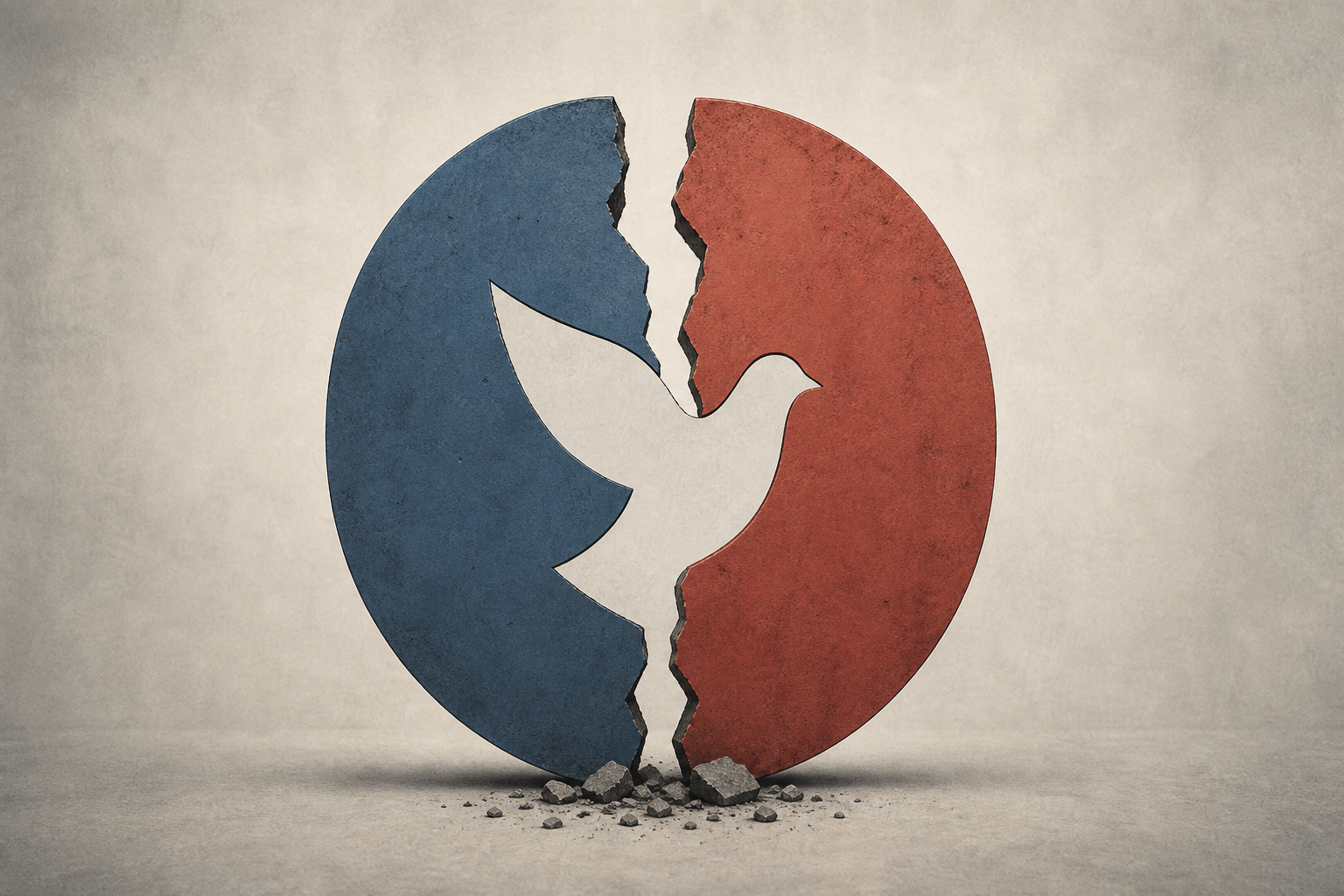
AI Generated Image
Mladic's death, Bosnia and Serbia's unfinished reckoning
DW.com • • world
Key Points:
- Ratko Mladic, convicted for genocide and war crimes during the 1992-95 Bosnian war, died in 2026, reopening deep societal divisions rather than closing historical wounds.
- In Republika Srpska and Serbia, Mladic is mourned as a national hero, with political leaders endorsing his legacy, while in the Bosniak-Croat Federation of Bosnia, his death is condemned as a reminder of genocide.
- The Dayton Accords, which ended the war by creating a complex political structure dividing Bosnia-Herzegovina into ethnic entities, failed to address the root causes of conflict or foster reconciliation.
- Bosnia's laws criminalize genocide denial and glorification of convicted individuals, but enforcement is uneven, and Serbia lacks such legislation, allowing Mladic's legacy to be politically exploited rather than repudiated.
- The international community's post-war role stabilized Bosnia's divided system without resolving underlying ethnic tensions, leaving a society still deeply fractured and an ideology that fueled the war alive.


