AI Generated Image
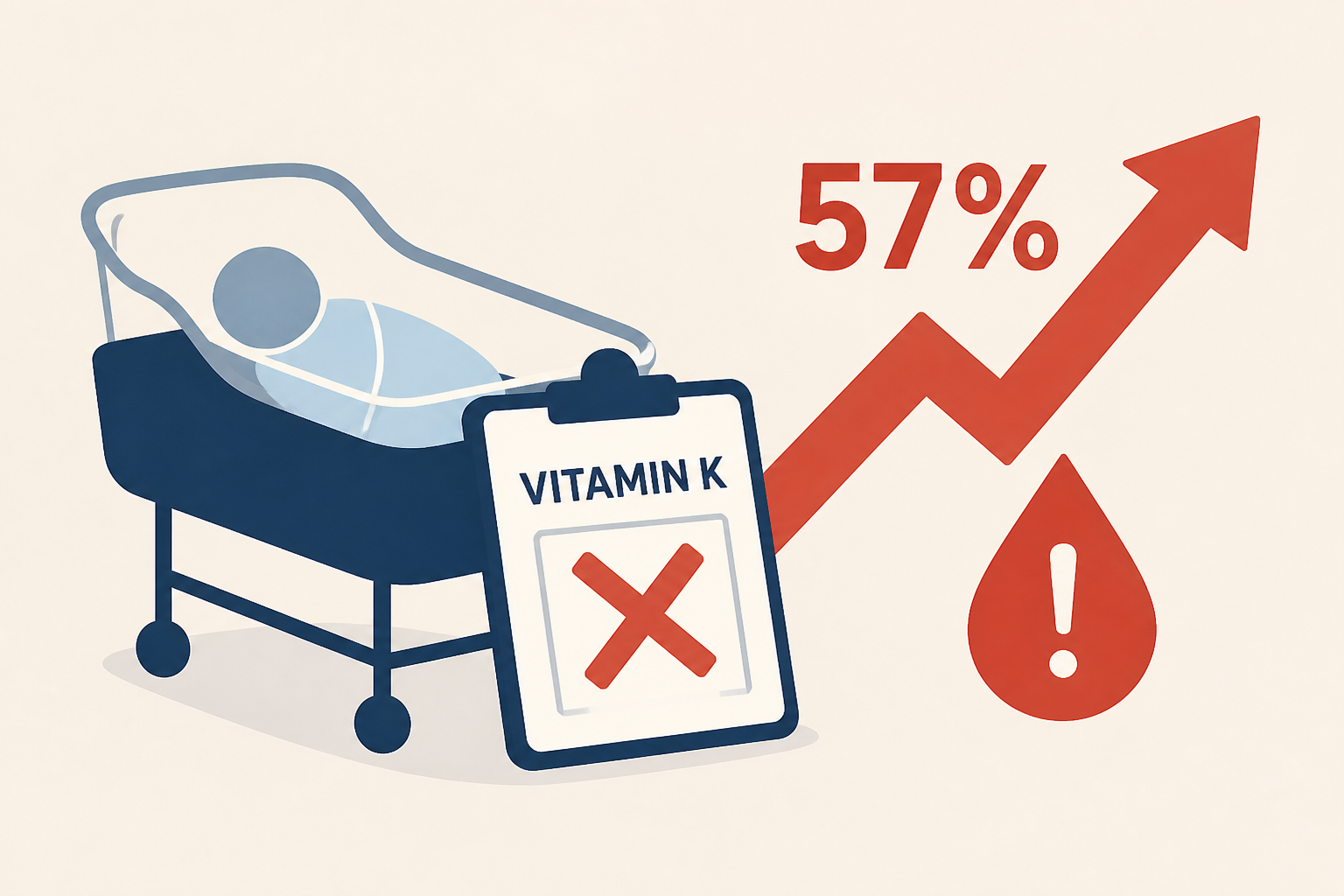
Newborn vitamin K refusals spike 57%, raising risk of severe bleeding
Honolulu Star-Advertiser • • health
Key Points:
- The refusal rate for the standard vitamin K shot given to newborns in U.S. hospitals surged by over 57% from January to June 2026, according to health data from more than 1 million births analyzed by Truveta, raising concerns about increased risks of life-threatening bleeding in infants.
- This increase aligns with growing mistrust in vaccines and newborn interventions, fueled in part by Health Secretary Robert F. Kennedy Jr.'s controversial stance against routine childhood vaccines and changes in health policy that contradict medical consensus.
- Vitamin K is critical for blood clotting in newborns, and without it, infants are 81 times more likely to suffer severe bleeding, which has a 20% fatality rate; pediatricians report rising refusals are causing serious health risks and are linked to misinformation among parents.
- Girls are disproportionately affected by vitamin K refusal, with 8.9% not receiving the shot by June 2026 compared to 7.3% of boys, raising concerns about potential increases in bleeding events among female infants.
- Some pediatric practices have started administering vitamin K shots in outpatient settings due to hospital refusals, and hospitals often require vitamin K administration before allowing circumcision, highlighting the critical role of the injection in newborn care.


