AI Image
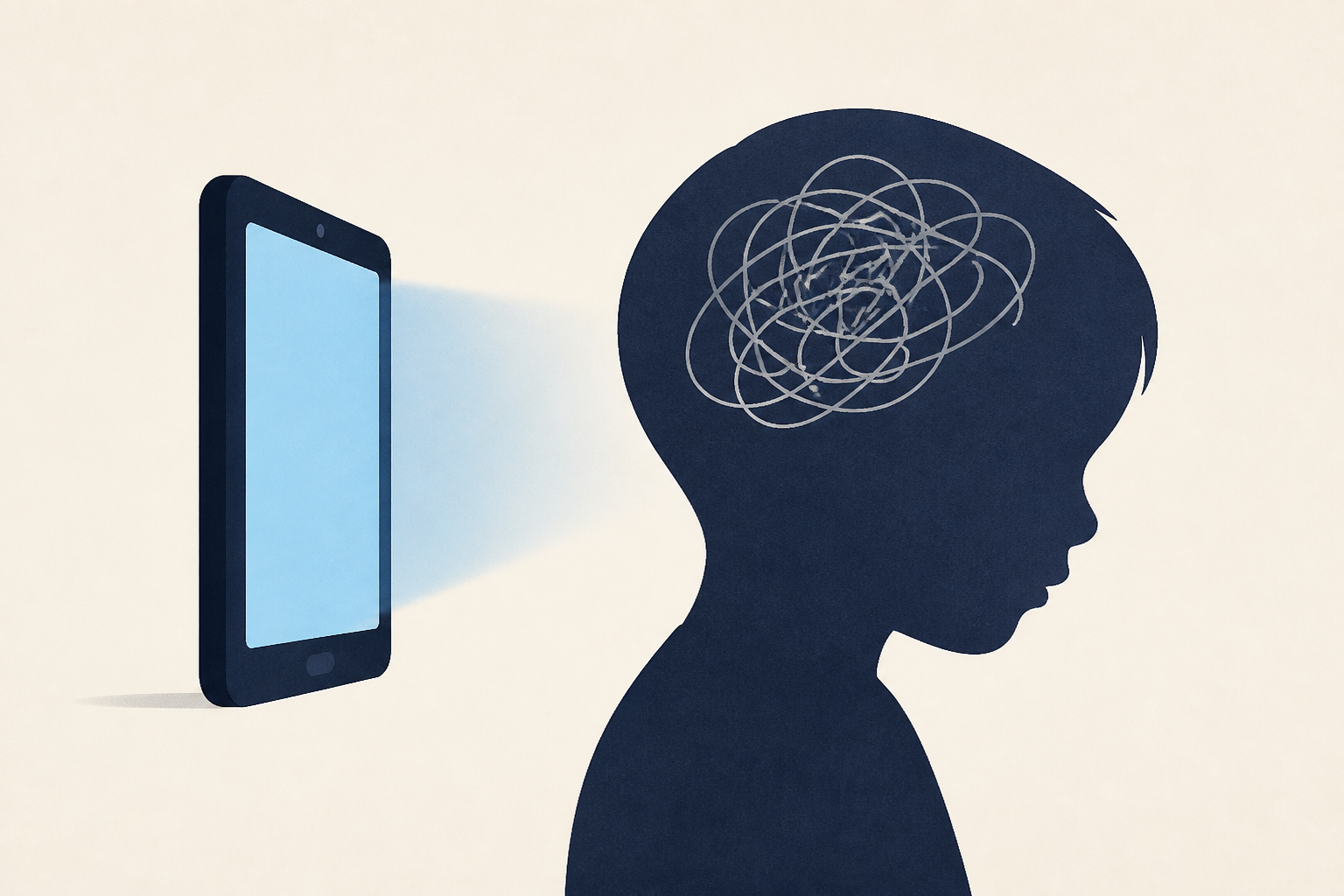
More screen time is linked to poorer child development, study shows
CNN • • general
Key Points:
- A comprehensive review of research involving nearly three million children from 64 countries found that increased screen time is linked to poorer outcomes in learning, speech, behavior, and emotional regulation, though the effects are generally small.
- The nature of screen time has evolved over the past two decades, shifting from passive television watching to interactive and engaging digital devices, which may explain stronger associations in recent studies.
- Experts emphasize that screens are not inherently harmful and can support learning and creativity if used appropriately, but excessive use may displace essential activities like sleep, physical activity, and human interaction.
- Researchers call for government involvement in providing guidance, education, and protections related to children's screen use, highlighting that managing screen time should not be solely the responsibility of parents.
- The study's correlational findings do not prove causation, and further research is needed to understand which children are most affected and the direction of the relationship between screen use and developmental outcomes.


