AI Generated Image
Mummy DNA Shows Americas Can Thank Colonists for Smallpox
Newser • • health
Key Points:
- Genetic analysis of 13 bone samples from Chilean mummies revealed ancient smallpox infections dating between 1492 and 1631, providing the strongest evidence of the virus's presence outside the Americas during that period.
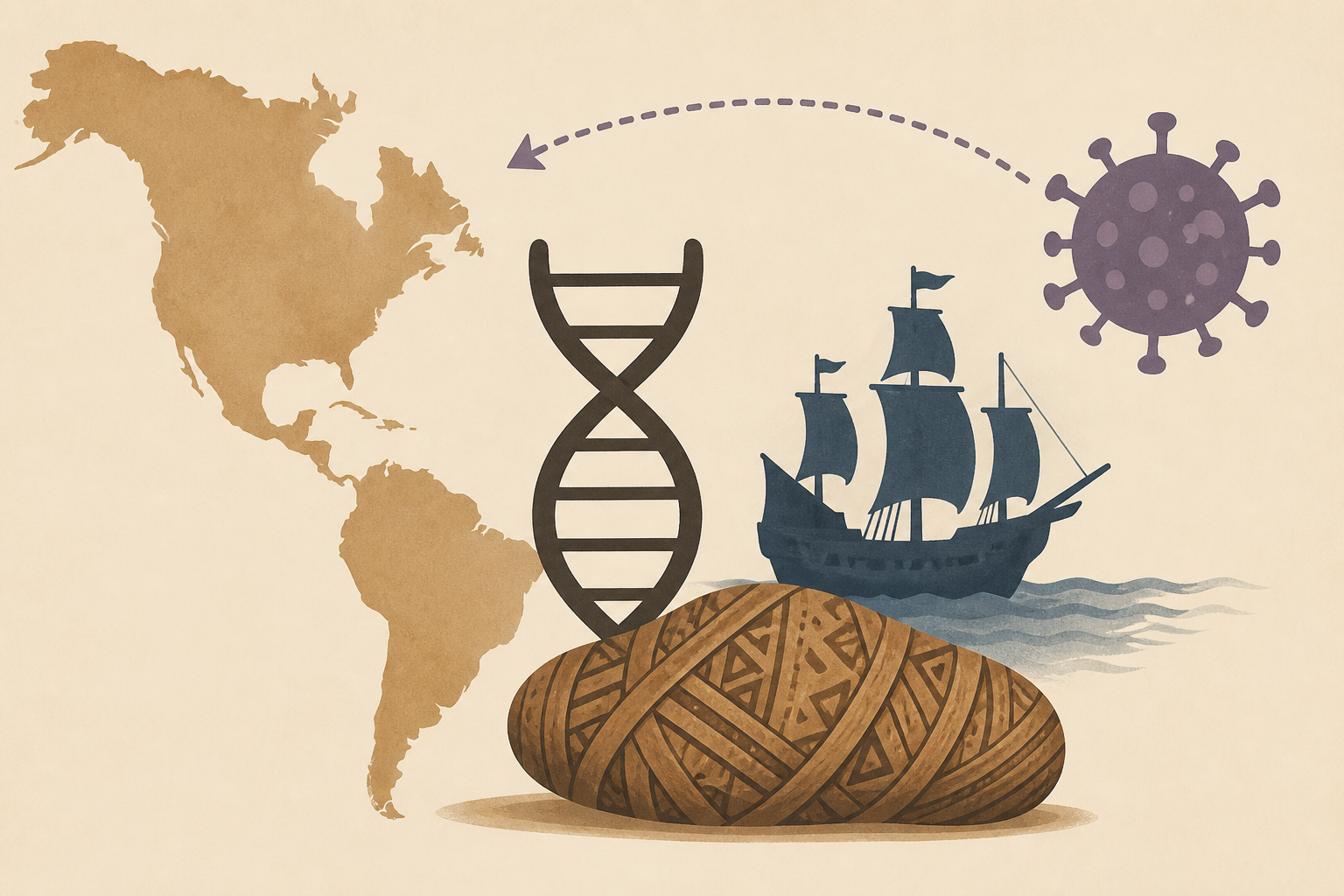
- The smallpox strains found in these samples genetically fit between medieval European strains and later versions, confirming that the virus spread to the Americas from Europe during colonization.
- The study raises questions about how smallpox reached remote South American populations, suggesting it may have spread through Indigenous trading networks prior to or alongside European contact.
- The findings highlight the devastating impact of smallpox on Indigenous populations, contributing to widespread mortality and vulnerability that facilitated European conquest.
- Published in the journal Science, the research underscores the biological imprint of colonial diseases on Indigenous peoples, supported by molecular evidence recovered from ancient remains.


