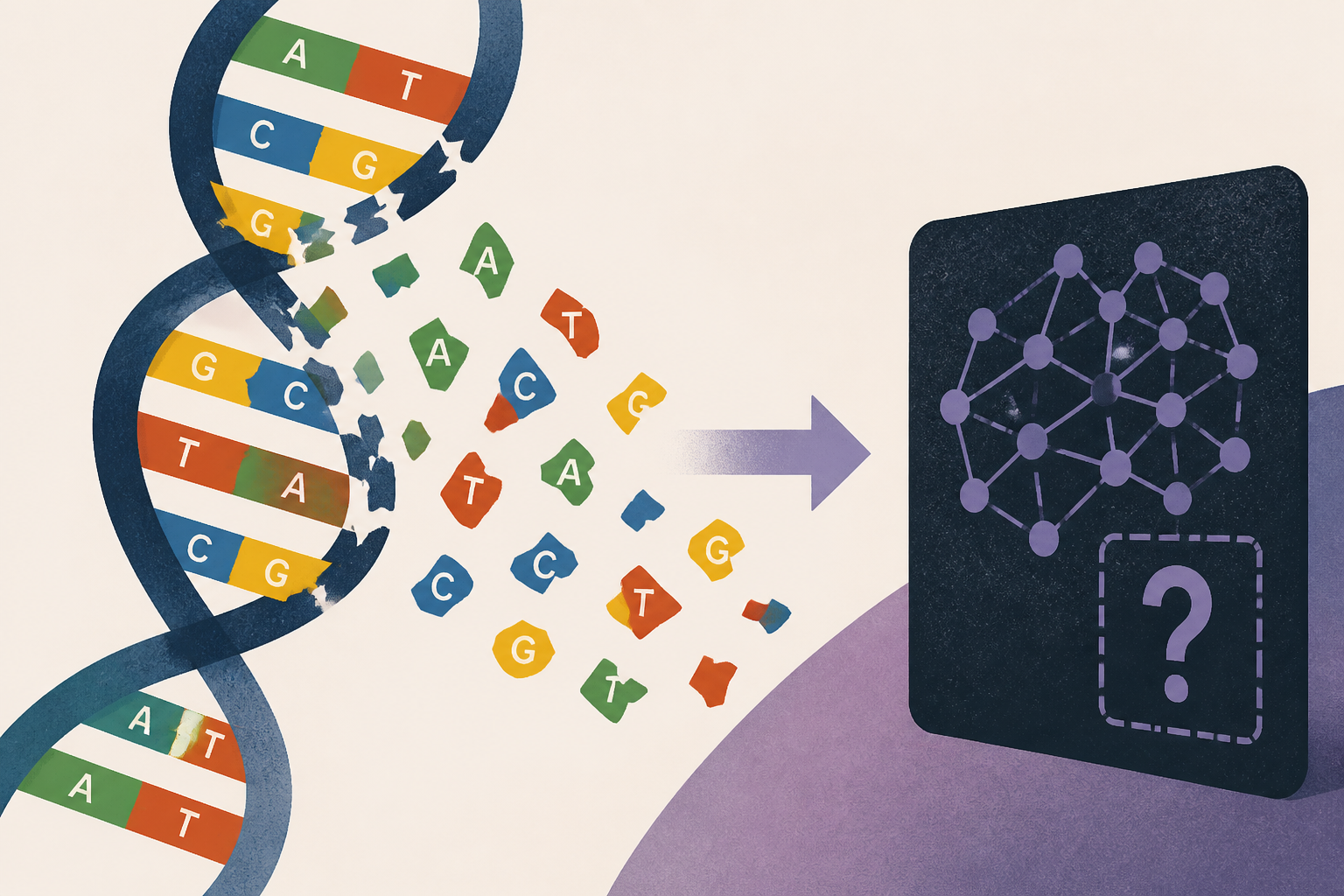
AI Generated Image
Mutating every DNA letter of a genome shows surprising effects - and the limits of AI
nature.com • • science
Key Points:
- Researchers conducted a comprehensive study on the phage ΦX174 virus by systematically mutating nearly every nucleotide and amino acid in its genome to assess the effects on viral fitness, creating over 44,000 variants.
- The study found that about half of the single-nucleotide mutations and 60% of amino acid changes were harmful to the virus, a higher rate of detrimental impact than previously expected, despite the virus being extensively studied and optimized for lab conditions.
- Approximately half of the harmful amino acid mutations likely disrupted protein interactions, while a quarter affected structural integrity; however, the effects of many mutations remain unexplained, highlighting gaps in current biological understanding.
- Advanced AI systems struggled to predict the outcomes of these mutations accurately, emphasizing the need for more comprehensive experimental data to improve AI models in biology research.
- The findings demonstrate that even well-characterized biological systems like phage ΦX174 harbor complexities that challenge existing scientific and AI predictive capabilities, underscoring the ongoing need for experimental exploration.


