NASA is right to focus on 'hardware rich' approach following Artemis II heat shield gamble
Interesting Engineering • • science
Key Points:
- NASA’s Artemis II mission set a new record for the fastest crewed reentry into Earth’s atmosphere at roughly 25,000 mph, using a steeper trajectory to reduce heat shield exposure time due to known vulnerabilities in the Orion capsule’s heat shield.
- Despite extensive pre-launch reviews, NASA took a calculated risk by flying Artemis II with the same heat shield that showed cracking during Artemis I, prompting criticism from experts who questioned the safety and analysis methods.
- NASA Administrator Jared Isaacman emphasized the need for developing alternative heat shield technology and adopting a “hardware rich” approach, aiming to regain the operational flexibility seen during the Apollo era where multiple heat shields and capsules were produced.
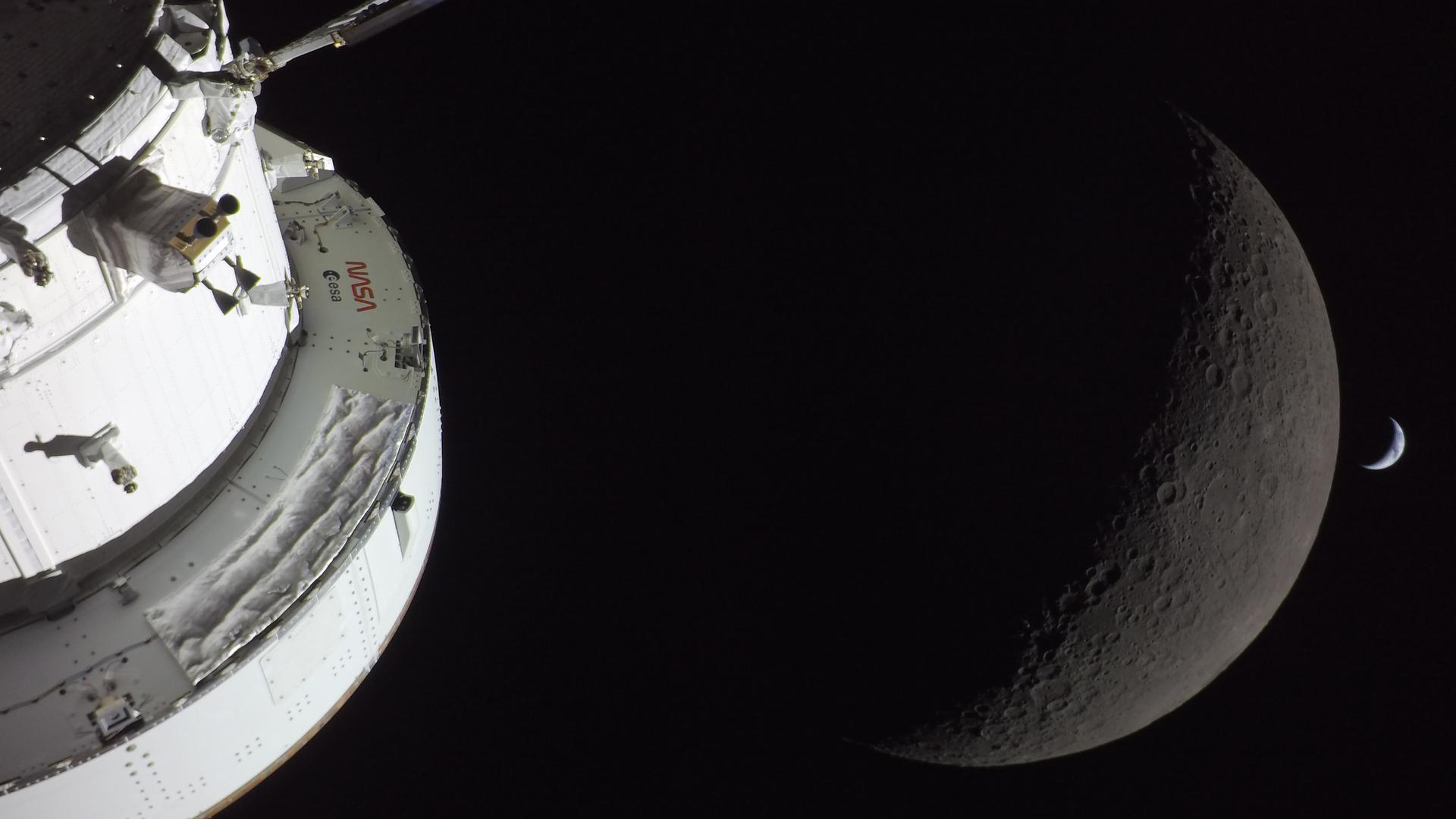
- The Artemis II mission successfully flew humans farther from Earth than any previous mission, marking the true start of the Artemis program with plans to conduct at least one lunar mission annually and a renewed focus on transparency and accountability in human spaceflight.
- NASA officials acknowledged the difficulty in quantifying mission risk due to limited data and low launch cadence but highlighted that Artemis II’s risk was lower than first flights historically, reflecting the agency’s continued willingness to manage high-risk missions to advance space exploration.


