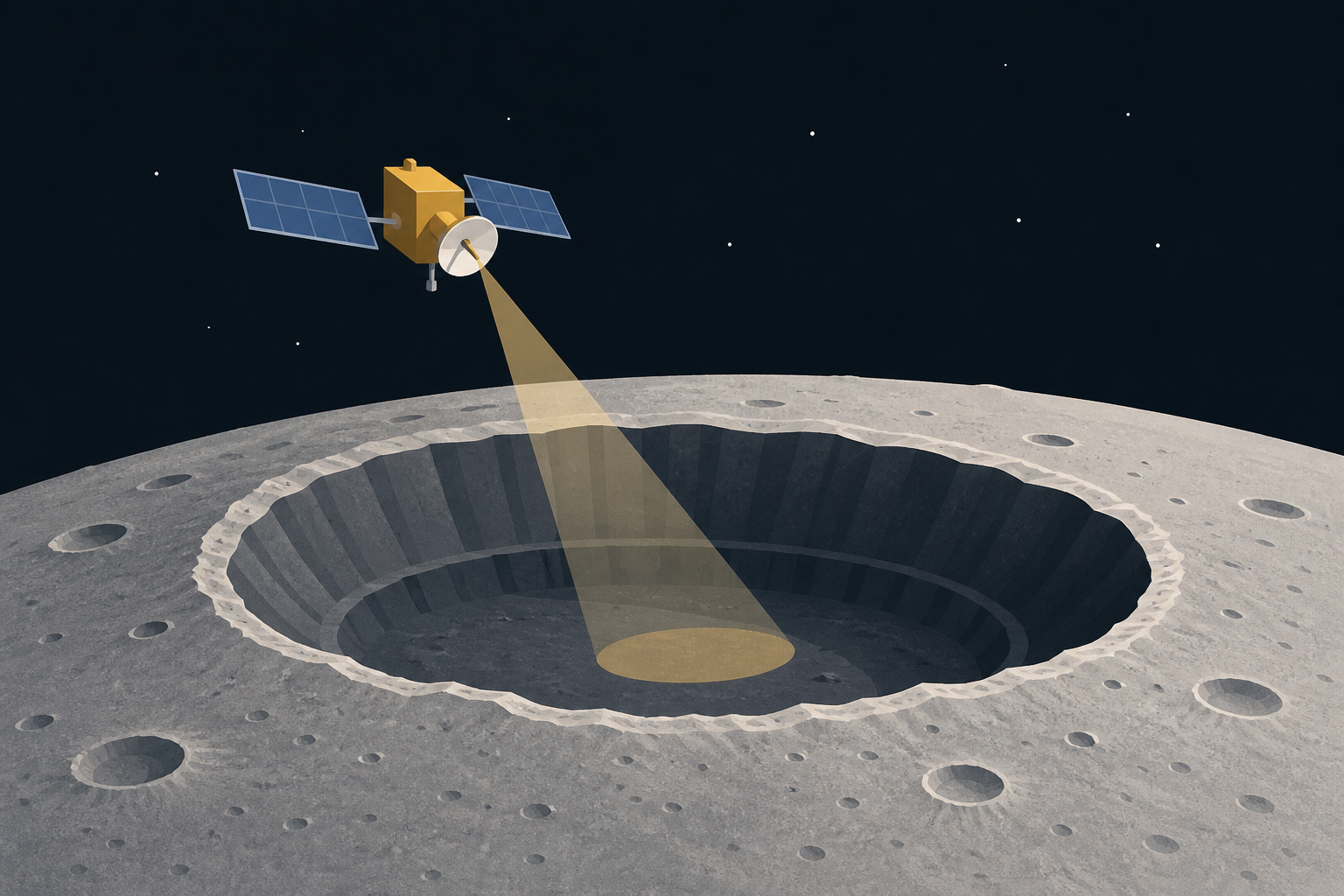
AI Generated Image
NASA spacecraft discovers moon crater bigger than Roman Colosseum
CBS News • • general
Key Points:
- Scientists discovered a large lunar crater measuring about 728 feet wide and 141 feet deep, formed by a powerful impact two years ago that initially went undetected.
- The crater, the largest recent impact in the solar system, was created by an asteroid or comet fragment the size of a three- to six-story building hitting the moon between April and May 2024.
- This rare event, estimated to occur once every 132 years, offers valuable insights as NASA prepares to build a lunar base for astronauts.
- The impact churned the lunar surface over a 66-mile area and created a 4-mile-wide cold spot indicating loosened topsoil, suggesting impacts "garden" the moon's regolith by mixing surface materials.
- NASA's Lunar Reconnaissance Orbiter, which has monitored the moon since 2009, revealed that lunar soil is overturned every 80,000 years, meaning Apollo footprints will not last indefinitely; future work will assess risks of ejected debris to lunar bases.


