AI Image
NASA's Moon Orbiter Has Spotted An Impact Crater That Only Happens Once A Century
Engadget • • general
Key Points:
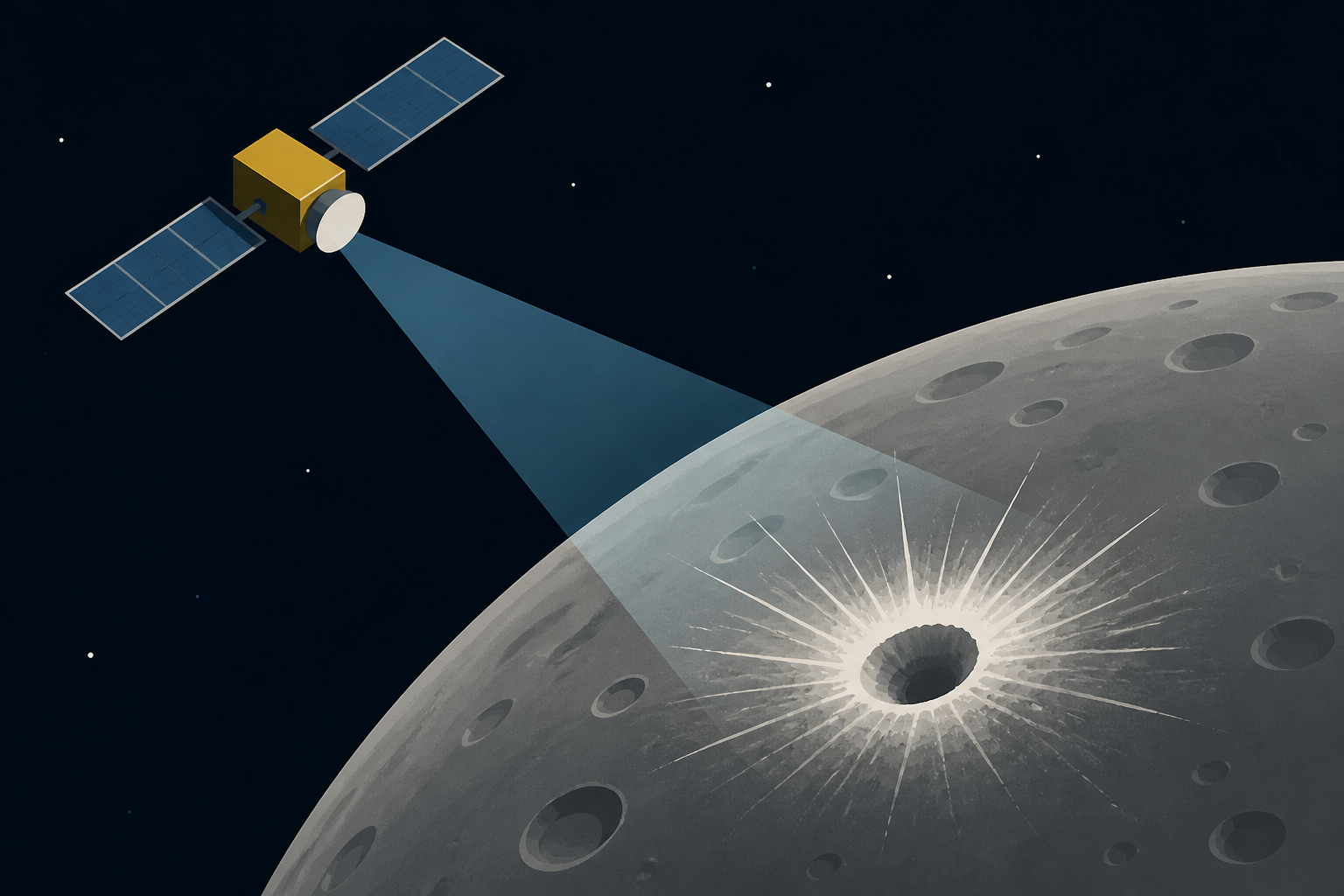
- Between April 11 and May 22, 2024, a comet or asteroid roughly the size of a three- to six-story building struck the Moon, creating the largest modern-day crater in the solar system.
- NASA's Lunar Reconnaissance Orbiter (LRO) detected the new crater, named McGetchin, after scientist Robert Wagner identified surface changes in images taken in October 2025.
- The McGetchin crater measures 728 feet wide and 141 feet deep, with impacts of this size estimated to occur approximately once every 132 years.
- Follow-up images from December 2025 revealed a 4-mile-wide area around the crater that is about 16 degrees Fahrenheit cooler at night, prompting expectations of extensive future scientific studies.
- Although significant, the McGetchin crater is not the Moon's largest; the South Pole-Aitken Basin remains the largest lunar crater at 1,550 miles in diameter.


![Asus Googlebook shows off a big trackpad and plenty of ports in leaked images [Gallery]](https://media-cdn.cashwalklabs.io/https%3A%2F%2Fs3.us-west-2.amazonaws.com%2Fimages.cashwalklabs.io%2F0_admin%2Fnews-ai-images%2F01a0b68d-ee3d-710b-bfc1-fecb6ceac47e.webp?format=webp&w=120&h=80)


