NASA's Next Big Step In Space Travel Will Be A Nuclear-Powered Mission To Mars
bgr.com • • science
Key Points:
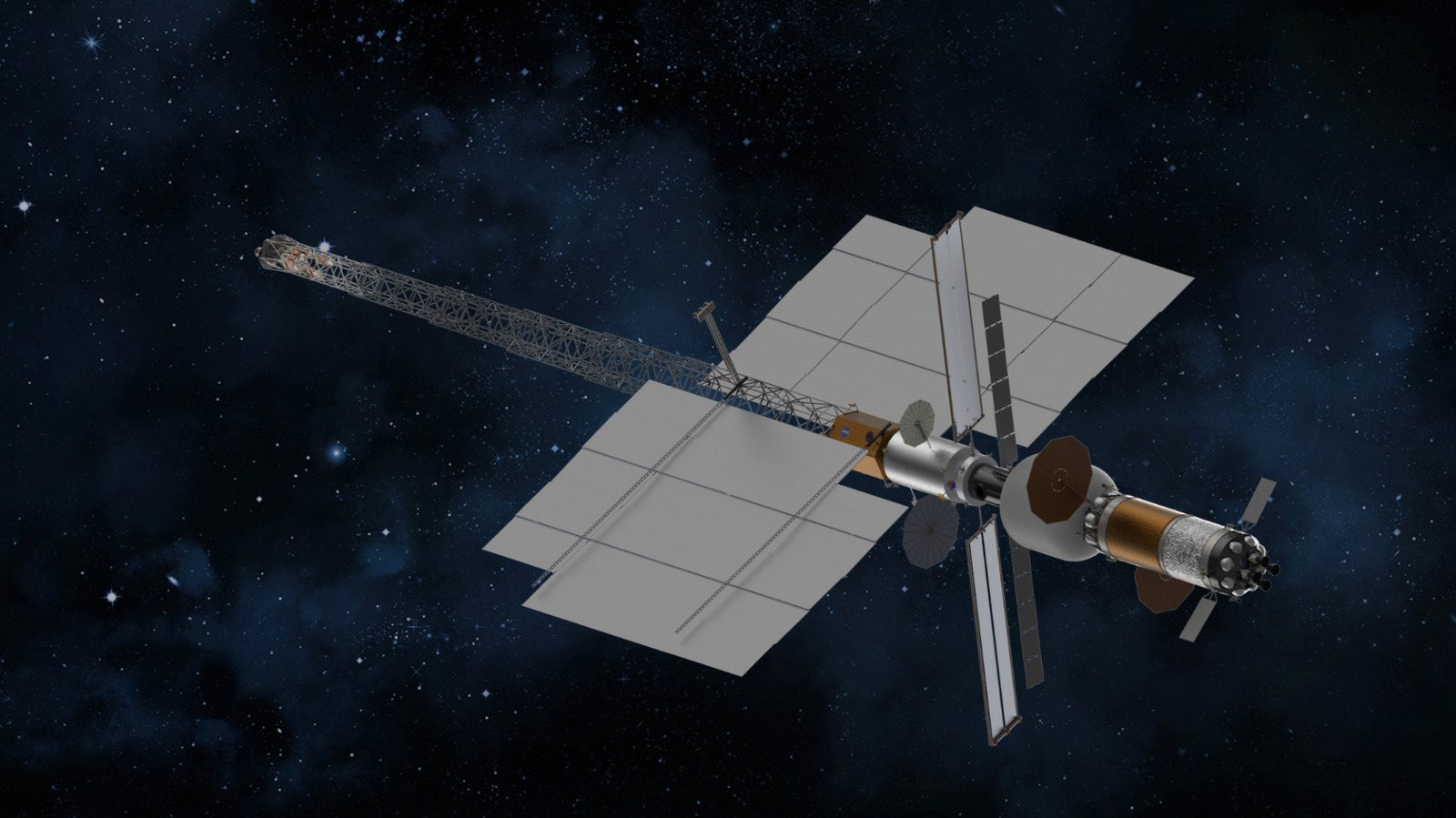
- NASA announced its first nuclear-powered mission to Mars, Space Reactor-1 Freedom (SR-1 Freedom), aiming to launch by 2028 and become the first spacecraft to use nuclear electric propulsion in deep space, potentially revolutionizing space travel.
- The mission will deliver the Skyfall project, a collaboration with AeroVironment and JPL, involving three remotely-operated helicopters to explore Mars' surface, though experts express skepticism about the ambitious timeline and strategic choices.
- Nuclear propulsion offers significant advantages over chemical rockets, including greater speed, longer duration, and independence from solar power limitations, enabling missions beyond current exploration boundaries like Jupiter and potentially reducing Mars travel time by two-thirds.
- SR-1 Freedom will use a simpler electric power-and-propulsion system combined with a DOE-designed nuclear reactor, repurposing technology from the canceled Gateway lunar station project, but safety and integration concerns remain due to the accelerated schedule.
- While nuclear space propulsion has historical precedent and potential, critics warn that NASA's expedited approach may compromise safety and effectiveness, with some viewing SR-1 primarily as a test platform for future, more ambitious nuclear-powered missions.


