AI Image
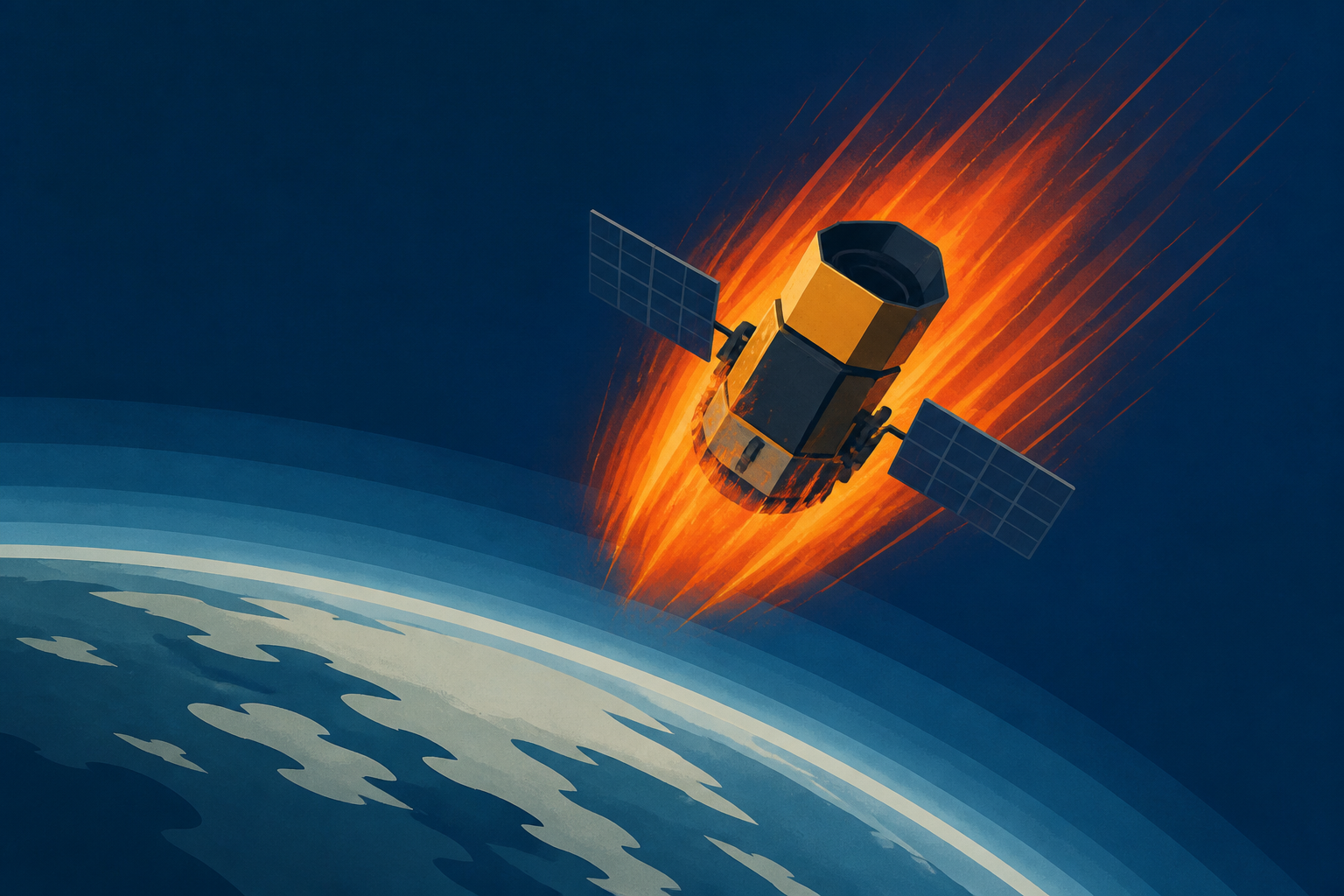
NASA’s Swift telescope will soon burn up in Earth’s atmosphere
CNN • • science
Key Points:
- The Neil Gehrels Swift Observatory, a space telescope launched in 2004 to study gamma-ray bursts and other cosmic events, is rapidly losing altitude and expected to reenter Earth's atmosphere by mid-October, ending its nearly 22-year mission.
- A rescue mission using the LINK satellite, developed by Katalyst Space Technologies to boost Swift's orbit, failed after LINK experienced control issues and depleted its fuel, preventing it from capturing and stabilizing Swift.
- Despite the mission's failure to save Swift, NASA and Katalyst regard the effort as valuable for advancing spacecraft servicing technology and gaining lessons for future satellite operations.
- Swift's instruments were reactivated recently to maximize scientific observations before its descent accelerates due to increased atmospheric drag caused by heightened solar activity in 2024.
- LINK operated in space for 85 days, demonstrating robotic servicing capabilities, and will inform Katalyst's development of next-generation spacecraft designed for in-orbit servicing missions.


