Netanyahu said frustrated that Mossad promise it could instigate Iran uprising has fallen short
The Times of Israel • • world
Key Points:
- Prime Minister Benjamin Netanyahu supported a Mossad plan to incite a popular uprising in Iran at the start of the war, hoping it would lead to regime change and a swift end to the conflict, but those expectations have not been met.
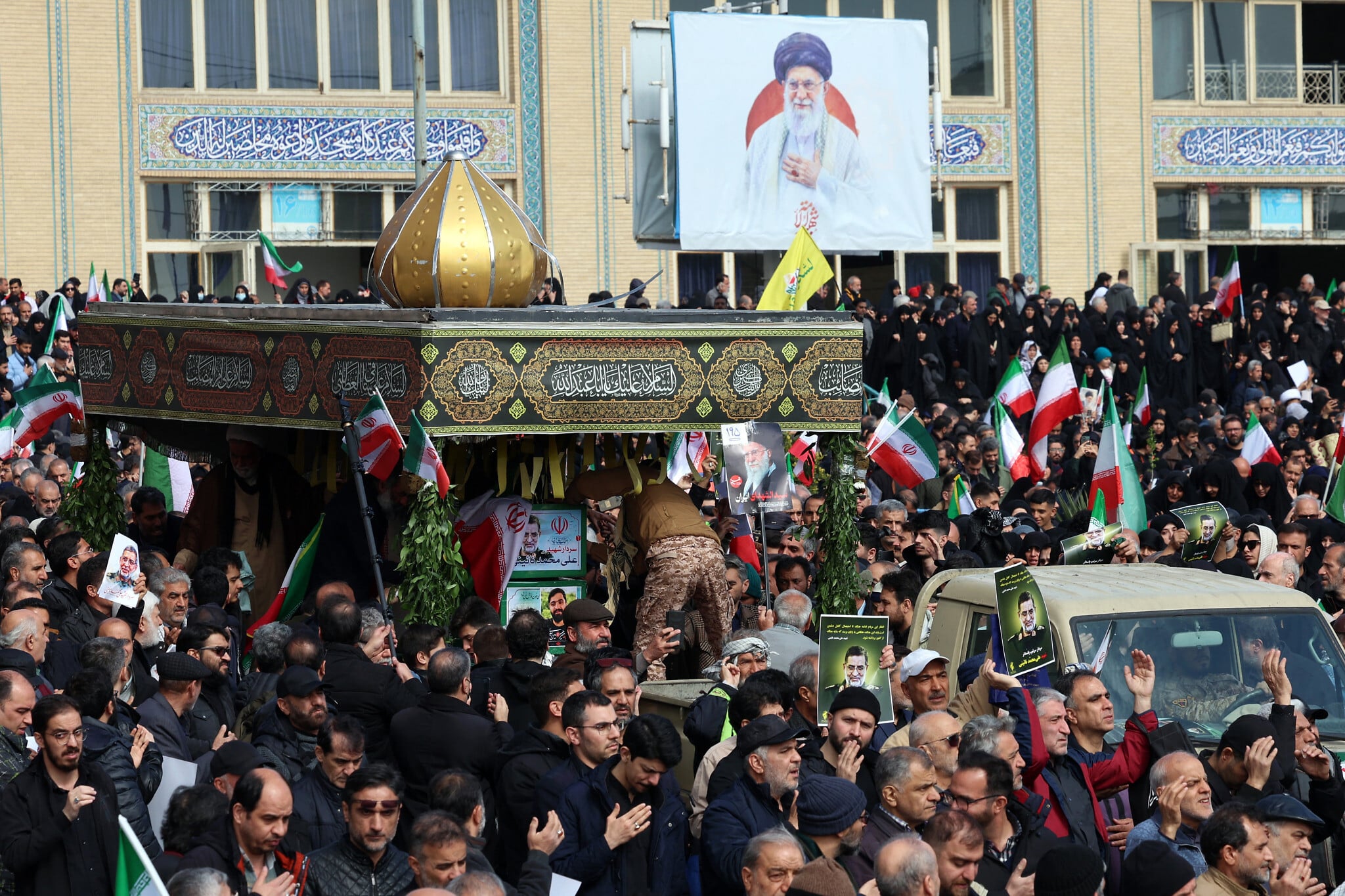
- Mossad chief David Barnea predicted that killing Iran’s leaders could galvanize opposition and spark mass unrest, a plan also presented to the White House, but the Iranian regime has instead strengthened its control amid fears of violent crackdowns.
- US and Israeli officials now view the prospects for regime change with skepticism, noting that past protests were brutally suppressed and many Iranians are reluctant to risk their lives by protesting again.
- While Netanyahu remains hopeful about eventual regime change, he has expressed frustration privately about the failure of the uprising plan, and some Israeli officials believe such a revolt might only occur after prolonged conflict.
- Former Mossad chief Yossi Cohen focused more on weakening Iran through sanctions and targeted killings, whereas Barnea has prioritized fomenting internal rebellion, though American officials remain doubtful about the likelihood of a popular revolt.


