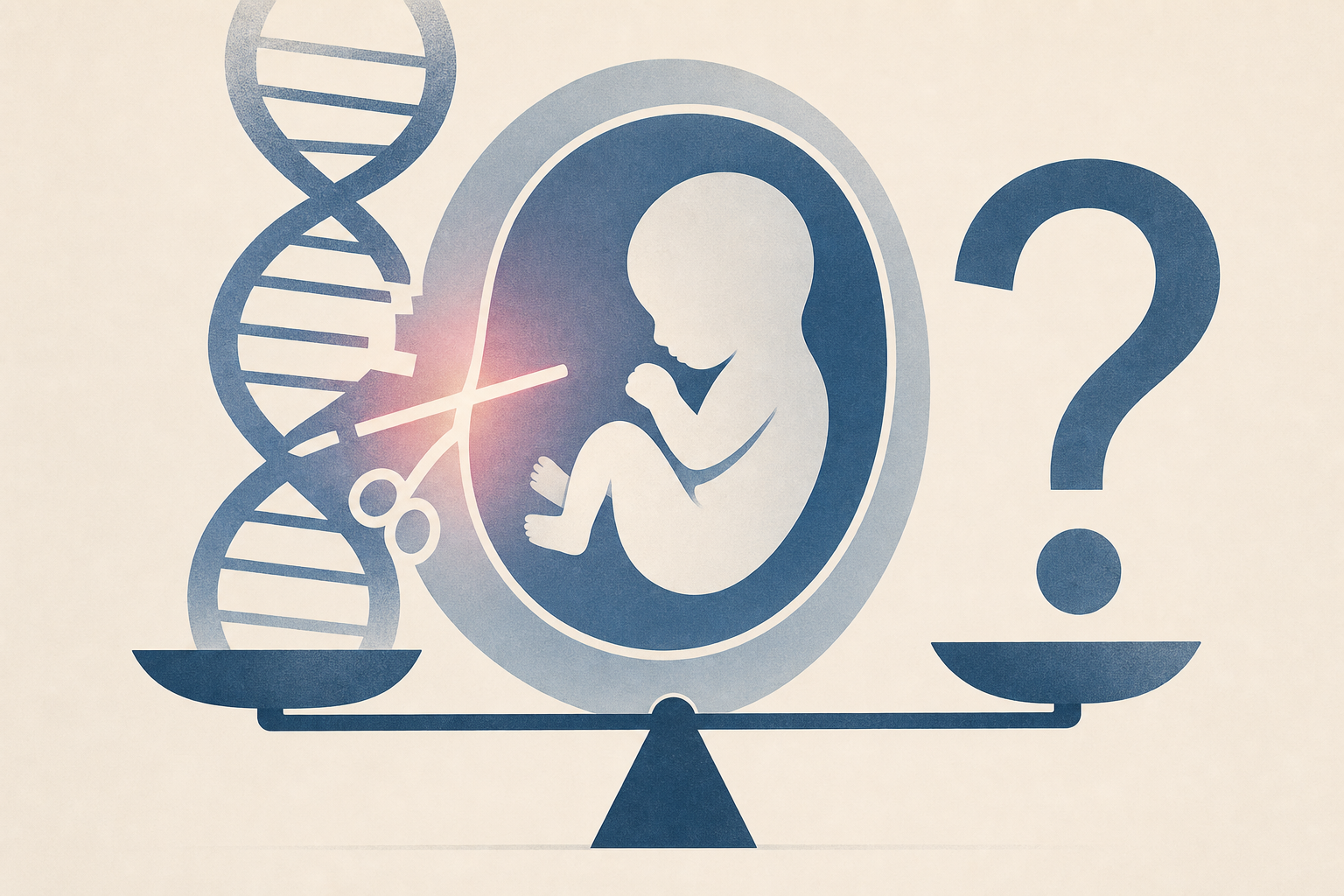
AI Generated Image
New gene-editing breakthroughs are reigniting the debate around ‘designer babies’
CNN • • health
Key Points:
- New research shows that base editing, a more precise form of CRISPR gene editing, can modify DNA in human embryos with reduced risks of unintended chromosomal damage, advancing the possibility of human germline editing in the future.
- Despite progress, significant challenges remain, including mosaicism (incomplete editing in all cells) and off-target effects, which pose safety concerns for editing viable human embryos intended for reproduction.
- Ethical debates persist around germline editing, with concerns about safety, long-term effects, and the potential for "designer babies," raising questions about fairness, justice, and societal impact.
- Public opinion varies by country, with majority support in the UK, Netherlands, and Spain for genome editing to prevent severe genetic diseases, while Italy shows more skepticism.
- Experts emphasize the importance of cautious scientific inquiry with strict regulatory guardrails to balance potential medical benefits against ethical and social risks.


