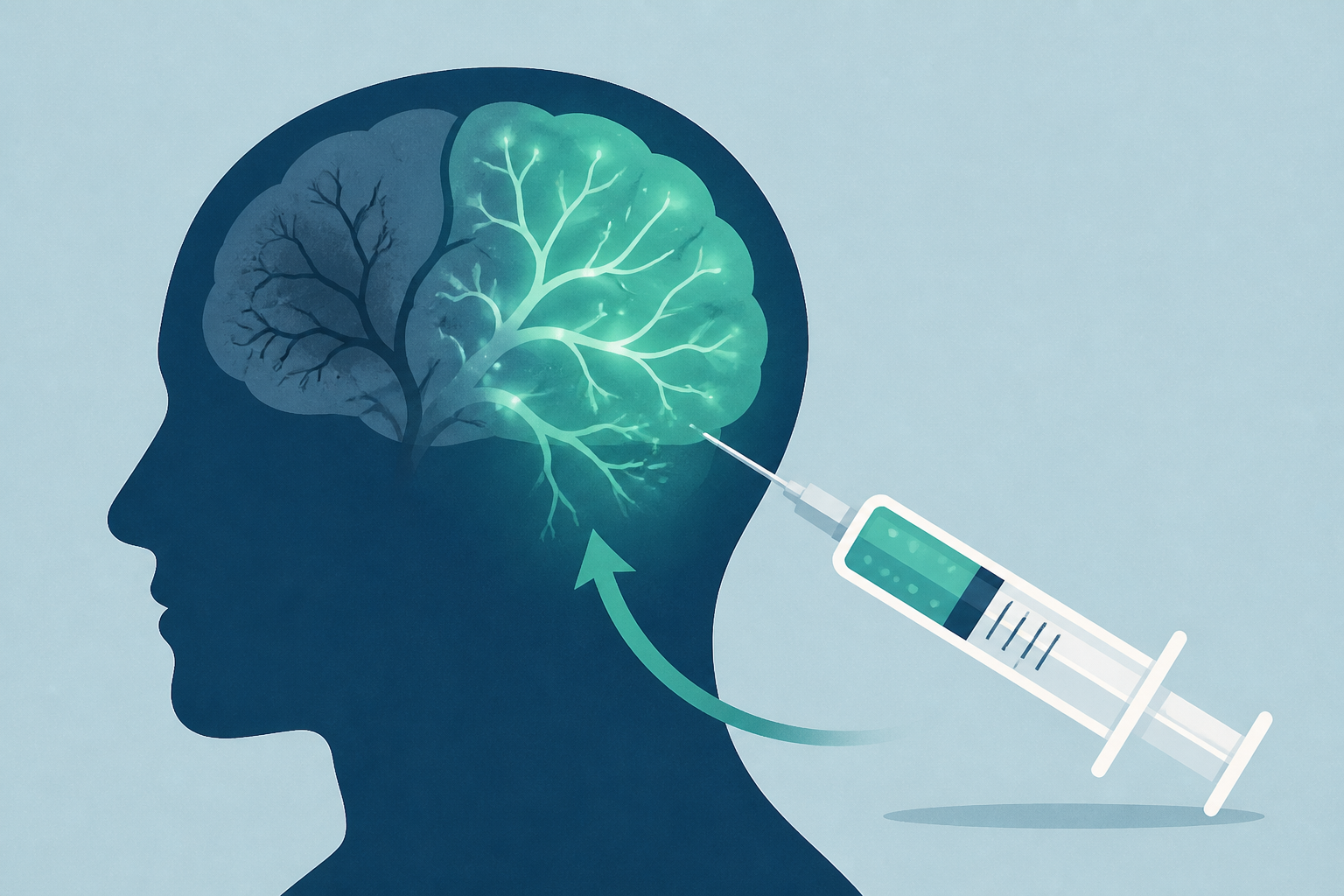
AI Generated Image
New injectable treatment helps the brain rebuild after stroke
sciencedaily.com • • health
Key Points:
- Researchers developed a microporous annealed particle scaffold (MAPS) combined with extracellular vesicles (EVs) from astrocytes to create a supportive environment for brain tissue repair after ischemic stroke, promoting immune cell recruitment, new blood vessel formation, and neural growth in mice.
- The treatment notably involved neutrophils, immune cells traditionally associated with inflammation, which were found to support tissue repair when present in the right environment and signals, challenging previous assumptions about their role post-stroke.
- Mice treated with the optimized scaffold showed significant improvements in motor function, performing comparably to healthy controls in forelimb placement tests by eight weeks post-treatment, with benefits sustained over time.
- The scaffold's porous structure was essential for concentrating EV signals and facilitating repair; EVs alone without the scaffold did not produce comparable vascular or neural recovery effects.
- Although promising, the treatment remains in preclinical stages, requiring further research on safety, immune mechanisms, scalability using human-derived astrocyte EVs, and efficacy in larger animal models before clinical application.


