AI Generated Image
Previously unknown tick-borne virus linked to thrombocytopenia and liver injury
Fox News • • health
Key Points:
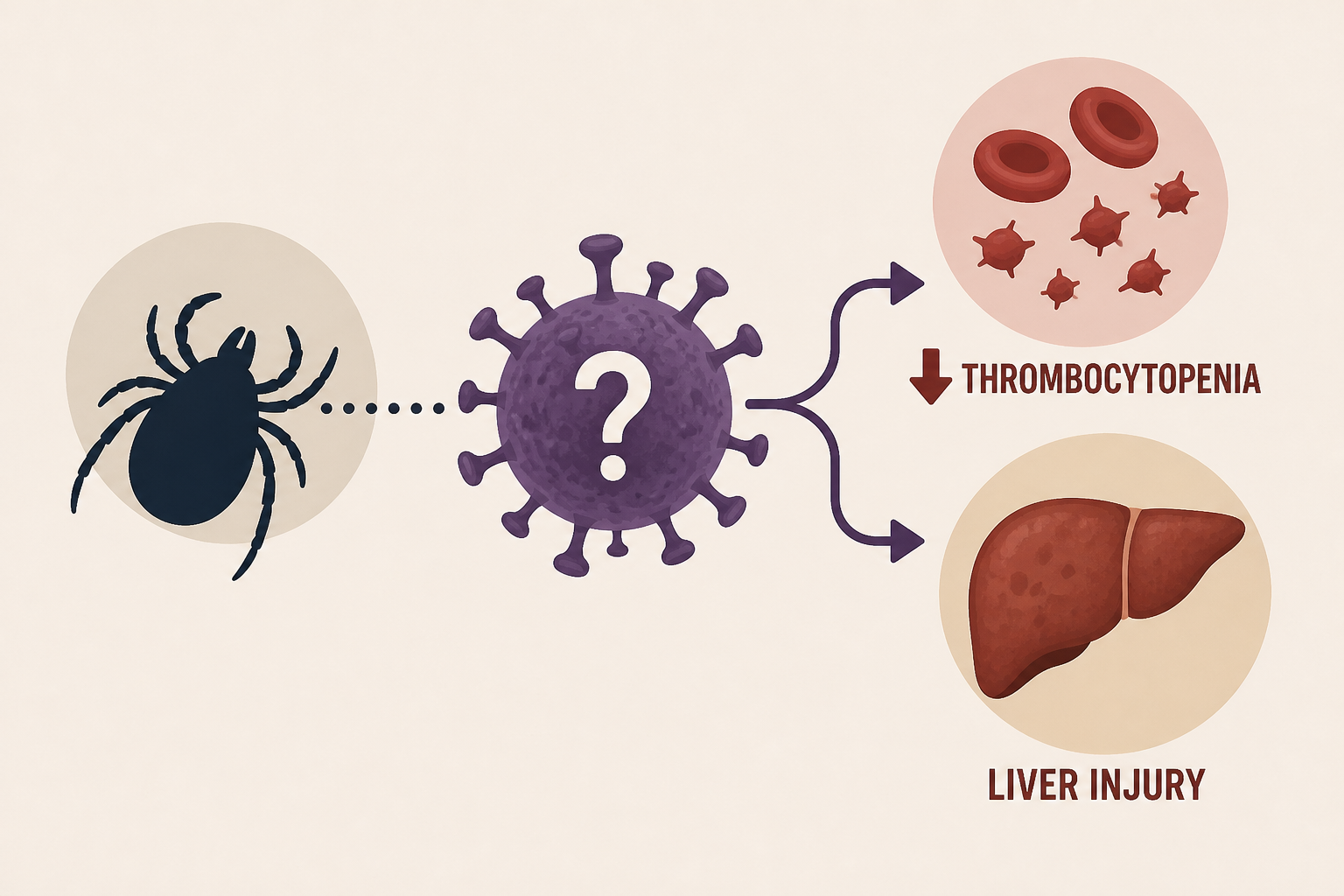
- Chinese scientists have discovered a new tick-borne virus called Asian longhorned tick nairovirus (ALTNV), which causes flu-like symptoms, fatigue, gastrointestinal issues, thrombocytopenia, and liver inflammation.
- The virus was identified in 10.4% of over 3,000 patients bitten by ticks and is genetically distinct from the previously known Dabie bandavirus (DBV), another tick-borne hemorrhagic fever virus.
- Co-infection with ALTNV and DBV increases the risk of respiratory and kidney complications, with a mortality rate of 18.4% among co-infected patients in the study.
- There is currently no specific antiviral treatment or vaccine for ALTNV, and management focuses on supportive care and accurate diagnosis to avoid inappropriate antibiotic use.
- Experts emphasize preventive measures such as wearing protective clothing, using tick repellents, and promptly removing ticks to reduce infection risk, noting that many tick species carry various diseases.


