New Study Explains Why You Can’t Stop Snacking, Even When You’re Full
HuffPost • • health
Key Points:
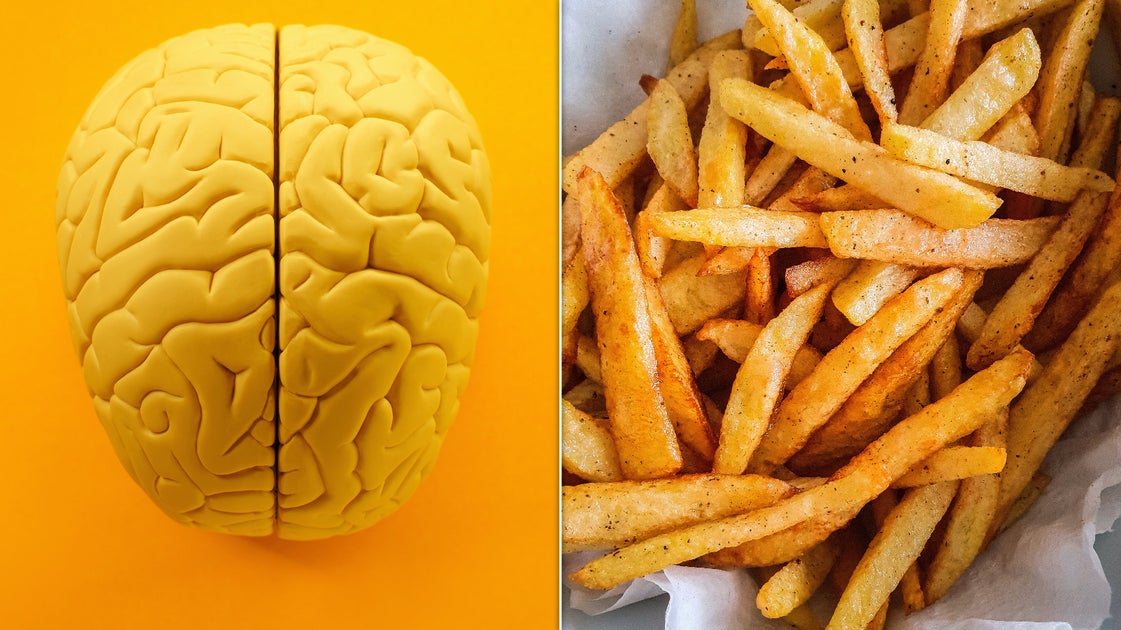
- A 2026 study published in “Appetite” found that even when people are full, their brains still respond to visual cues of tempting snacks, indicating that snacking may be driven by habitual brain responses rather than hunger or willpower alone.
- Researchers used EEG scans to show that brain reward areas activate in response to food images regardless of fullness, suggesting that environmental cues like advertisements and social settings heavily influence snacking behavior.
- Experts emphasize that while the urge to snack can feel automatic, individuals can regain control by modifying their environments, avoiding trigger cues, and building new habits that reduce reliance on willpower.
- Healthy snacking can be beneficial when used to fill nutritional gaps and sustain energy between meals, but overconsumption of junk food, often prompted by boredom or stress, can lead to unhealthy eating patterns and weight gain.
- Practical strategies to curb over-snacking include eating balanced meals, creating barriers to unhealthy snacks, changing routines (like taking walks after meals), and paying attention to true hunger signals, with professional guidance from dietitians recommended for personalized support.


