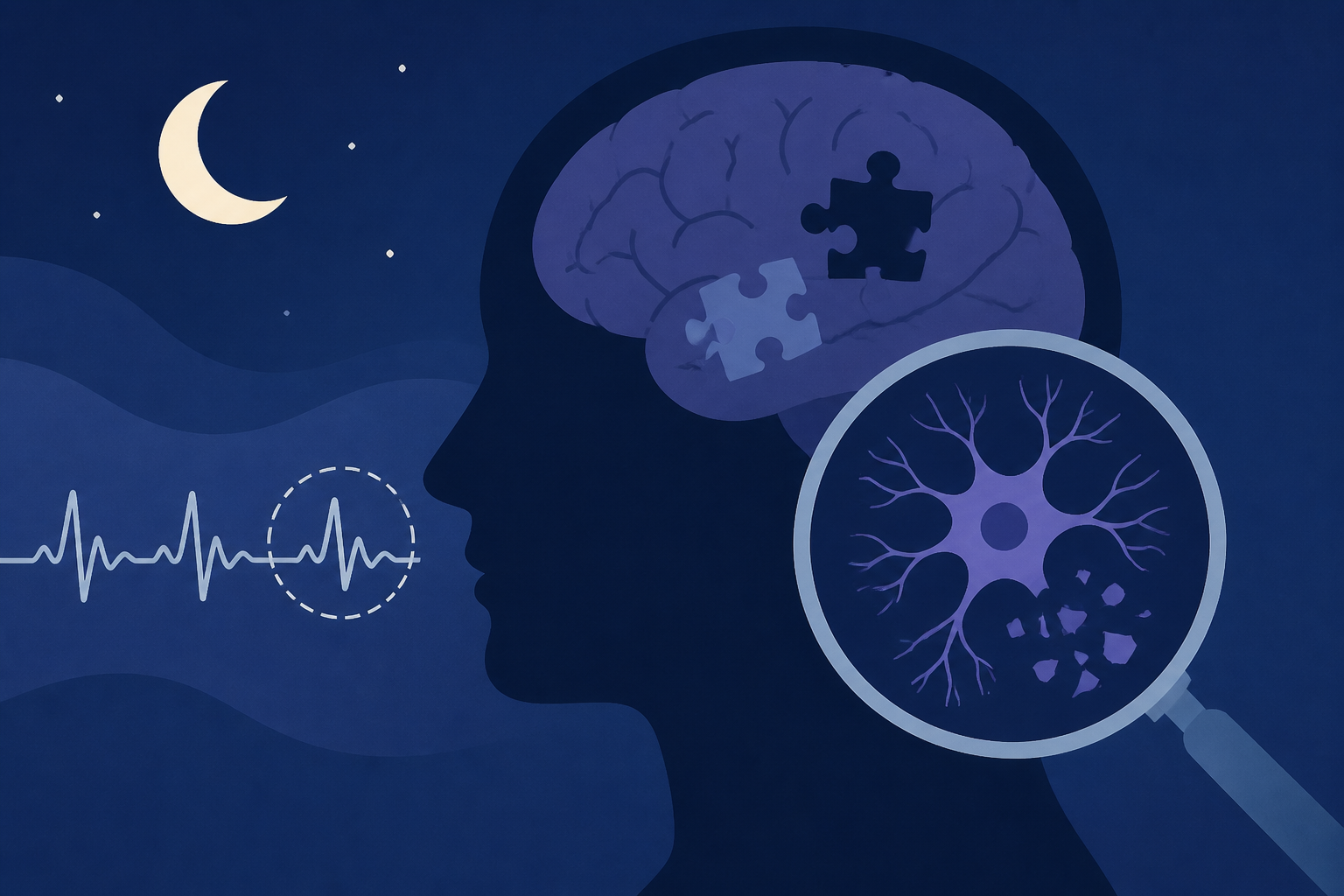
AI Generated Image
New Study Suggests 'Micro-Awakenings' At Night May Be A Sign Of Increased Alzheimer's Risk
huffpost.com • • health
Key Points:
- A study from the University of Liège found that older adults experiencing frequent micro-awakenings during sleep may have a higher genetic risk of Alzheimer's disease, even before symptoms appear; this pattern was not observed in younger adults.
- Micro-awakenings are brief surges in brain activity that disrupt sleep without fully waking the person, and the study monitored these using electroencephalograms in over 500 participants, though only 87 were older adults, indicating a limitation due to small sample size.
- Sleep plays a crucial role in brain health by consolidating memories and clearing waste proteins linked to Alzheimer's risk, with disruptions in deep slow-wave sleep being a potential early biomarker for neurodegenerative diseases.
- To lower Alzheimer's risk, experts recommend regular exercise, a healthy diet, managing conditions like high blood pressure and diabetes, avoiding smoking and excessive alcohol, and ensuring good sleep quality, including treating sleep disorders such as sleep apnea.
- Cognitive changes that interfere with daily life, such as difficulty in conversations or getting lost in familiar places, should prompt consultation with a healthcare provider to assess Alzheimer's or dementia risk.


