AI Image
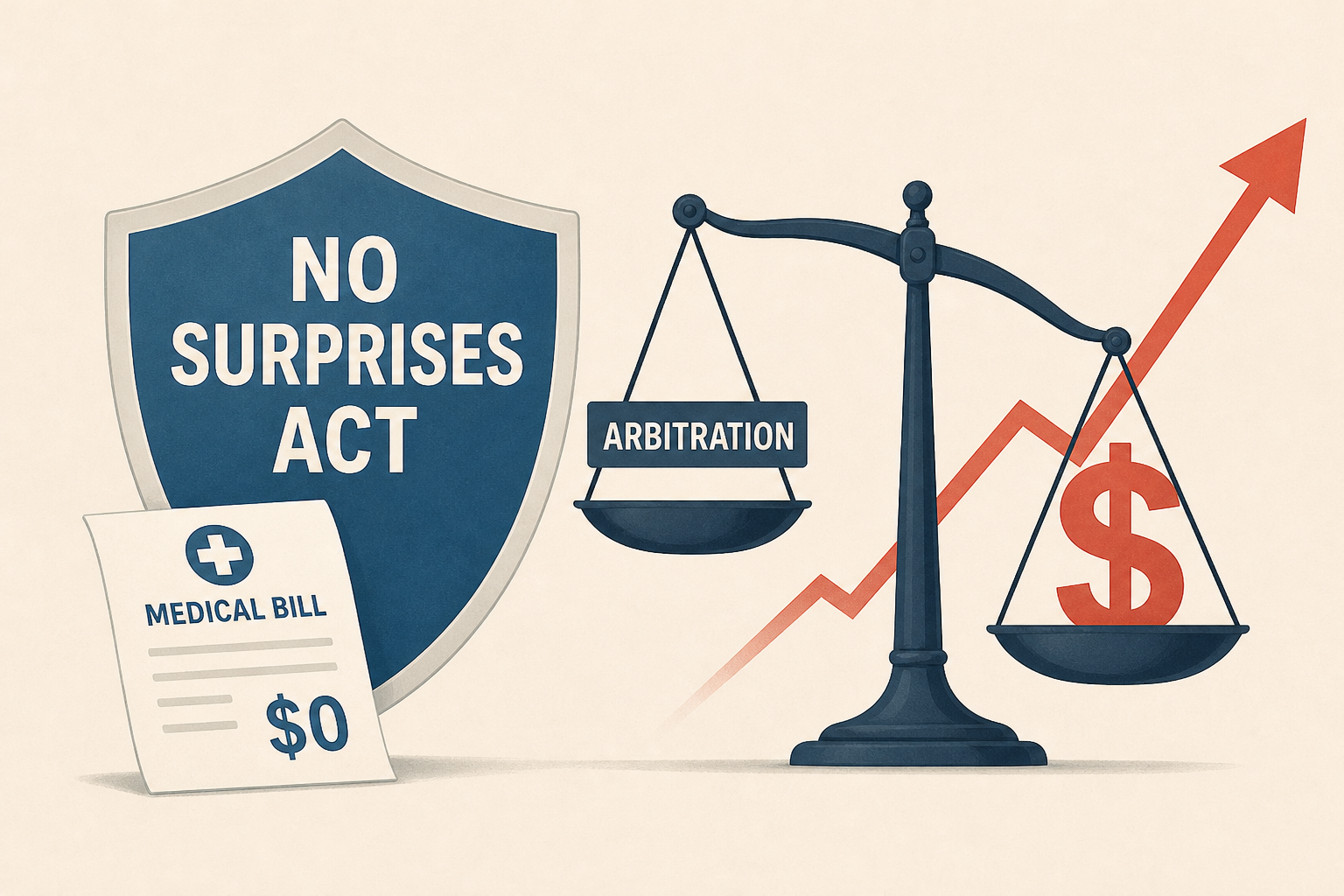
No Surprises Act shielded patients from big medical bills. Now its arbitration system may be raising costs.
CBS News • • business
Key Points:
- The No Surprises Act, aimed at eliminating surprise medical bills, has led to a booming arbitration industry where providers and intermediaries secure payments far exceeding benchmark rates, driving up healthcare costs for consumers.
- Under the law's "baseball-style" arbitration, arbitrators choose between insurer and provider payment offers, often siding with providers over 85% of the time, resulting in insurers paying hundreds of dollars for routine services that typically cost much less.
- Providers like Dr. Norman Rowe and Dr. Vadim Lerman have been awarded hundreds of times the benchmark rates for procedures, with intermediaries such as HaloMD profiting significantly by representing providers and taking cuts from large arbitration awards.
- The surge in arbitration cases—1.2 million disputes in six months versus an expected 17,000 per year—has generated over $2 billion in arbitrator fees, with private equity firms playing a notable role by owning physician groups and dispute resolution entities, raising conflict of interest concerns.
- Lawmaker Frank Pallone, lead sponsor of the No Surprises Act, plans to reform the law by eliminating arbitration and mandating that out-of-network providers be paid in-network rates, aiming to curb excessive costs driven by private equity and arbitration abuses.


