AI Image
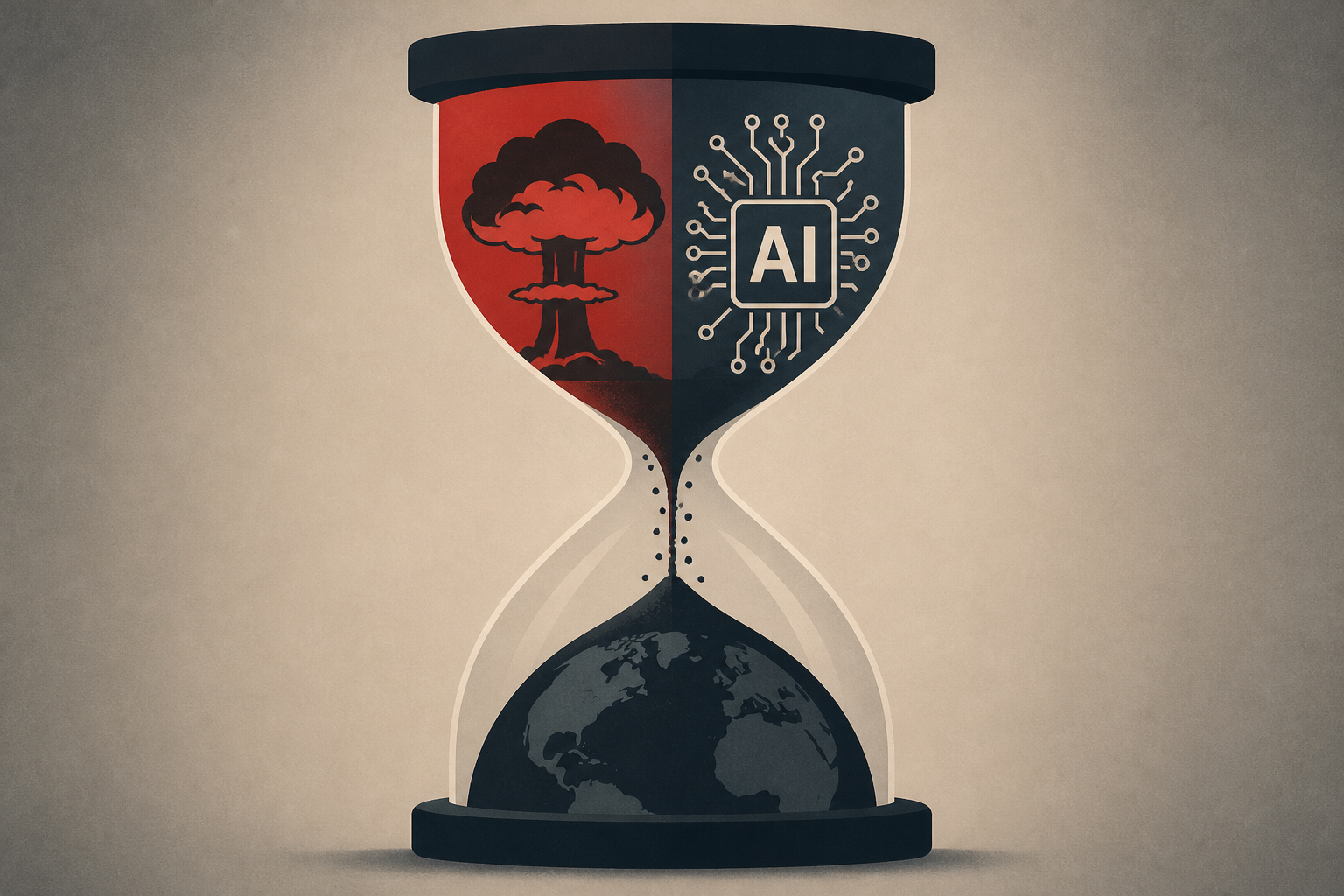
Nuclear war and malicious use of AI threaten end of humanity by 2100, says Lancet assessment
The Guardian • • health
Key Points:
- A new global risk assessment by The Lancet Commission warns that malicious use of AI and nuclear conflict could lead to human extinction by 2100, highlighting these as the top threats among 17 major risks to human health over the next 75 years.
- The report emphasizes that these threats interact and must be addressed collectively, but notes there are realistic solutions available, urging policymakers to act now to shape the health and wellbeing of future generations.
- Other major catastrophic threats identified include air pollution, antimicrobial resistance, childhood malnutrition, climate breakdown, conventional conflict, declining overseas aid, and various non-communicable diseases, all of which could cause over 1 billion cumulative years of healthy life lost.
- The commission highlights the severe impact of aid cuts by wealthy nations, particularly on sub-Saharan Africa, where reduced international health aid could result in up to 1.5 billion lost healthy life years by 2100, exacerbating issues like child malnutrition.
- The findings, to be presented at the World Health Summit in Berlin, call for increased investment in technological innovation and stronger health systems, urging governments to prepare for a broader and more diverse set of global health threats beyond just conflict, climate, and pandemics.


