AI Image
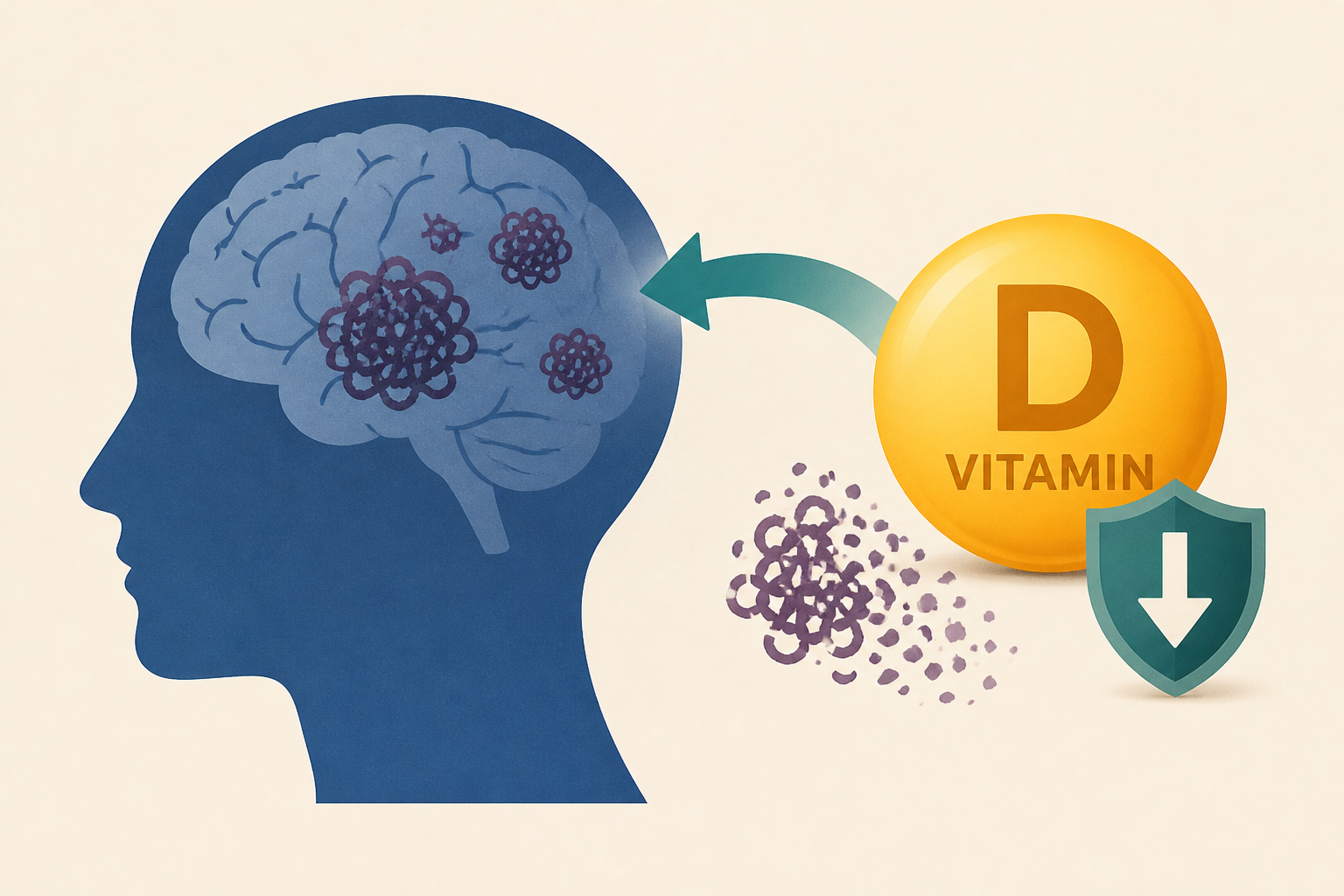
One Common Vitamin May Lower Toxic Alzheimer's Proteins, Research Suggests
ScienceAlert • • health
Key Points:
- A recent study published in Neurology Open Access found that healthy vitamin D levels in midlife are linked to reduced tau protein deposits, a biomarker associated with Alzheimer's disease, suggesting potential brain protection as people age.
- Researchers analyzed data from 793 middle-aged participants in the Framingham Heart Study, measuring vitamin D levels at an average age of 39 and tau deposits via PET scans 16 years later, finding no correlation with amyloid beta but a negative correlation with tau deposits.
- While the study shows an association between midlife vitamin D levels and lower tau pathology, it does not establish causation, and further clinical trials are needed to determine if vitamin D supplementation can prevent dementia.
- Previous trials on vitamin D supplementation in older adults showed no effect on tau levels, but researchers suggest that earlier intervention during midlife may offer a better opportunity for disease modification.
- The study highlights the importance of investigating vitamin D as a potential factor in maintaining brain health before the onset of Alzheimer's symptoms and calls for more research on dosage and timing of supplementation.


