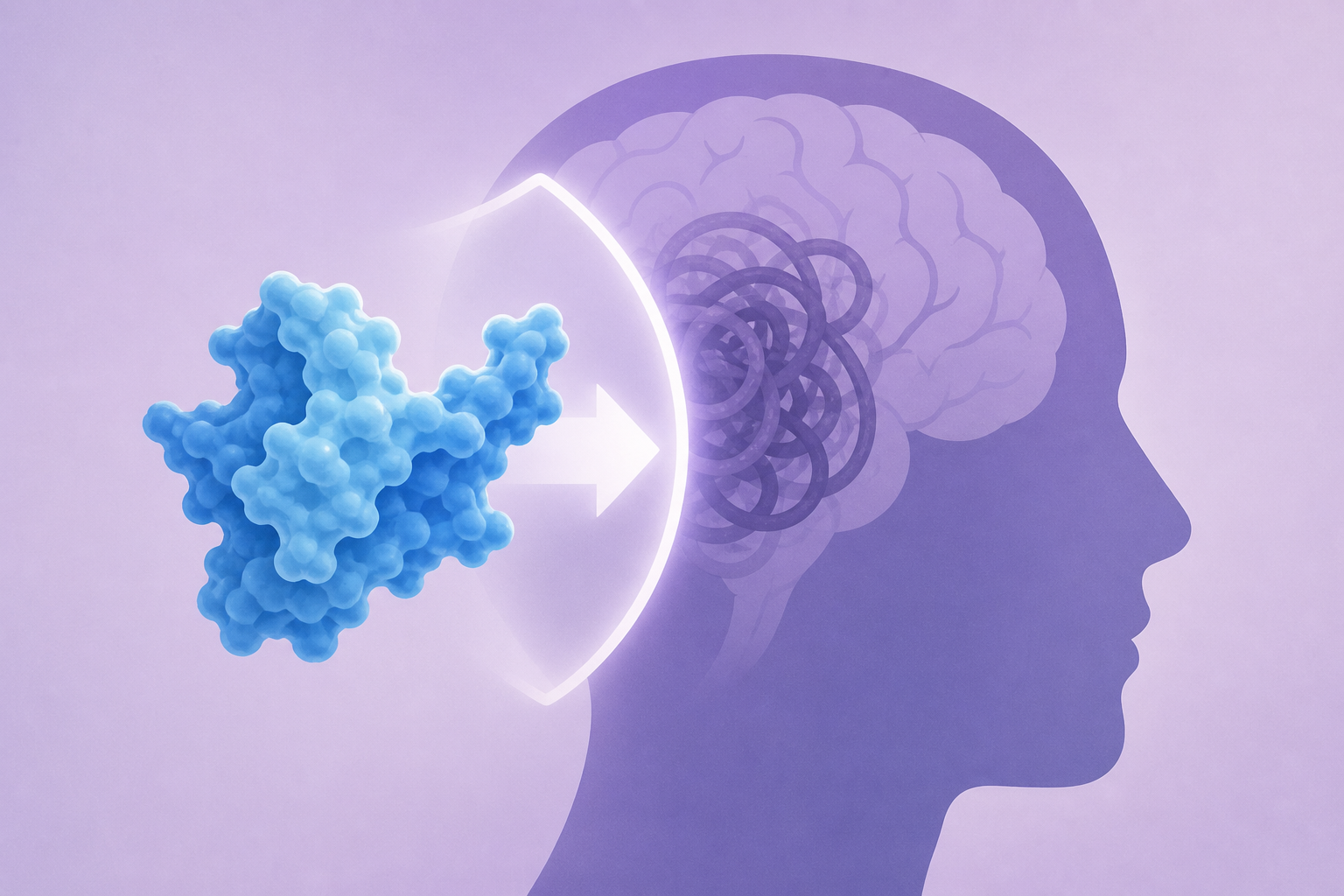
AI Generated Image
One Protein May Prevent Brain Process Linked to Alzheimer’s and Parkinson’s
Newsweek • • health
Key Points:
- Researchers at Baylor College of Medicine discovered that tubulin, a protein that forms cellular "railway tracks," can prevent harmful protein clumps linked to Alzheimer’s and Parkinson’s diseases from forming in brain cells.
- The study found that tubulin interacts with tau and alpha-synuclein proteins inside cellular condensates, competing for binding sites to keep these proteins in functional shapes and prevent toxic aggregation.
- Reduced tubulin levels in cell models caused increased harmful protein buildup and neuron loss, suggesting tubulin’s protective role in maintaining brain cell health.
- This research proposes a shift in treatment strategies from trying to remove harmful protein deposits to maintaining tubulin levels to promote normal protein behavior and prevent disease progression.
- While promising, these findings are currently limited to laboratory and cell models, requiring further validation in animal and human studies before clinical application.


