AI Image
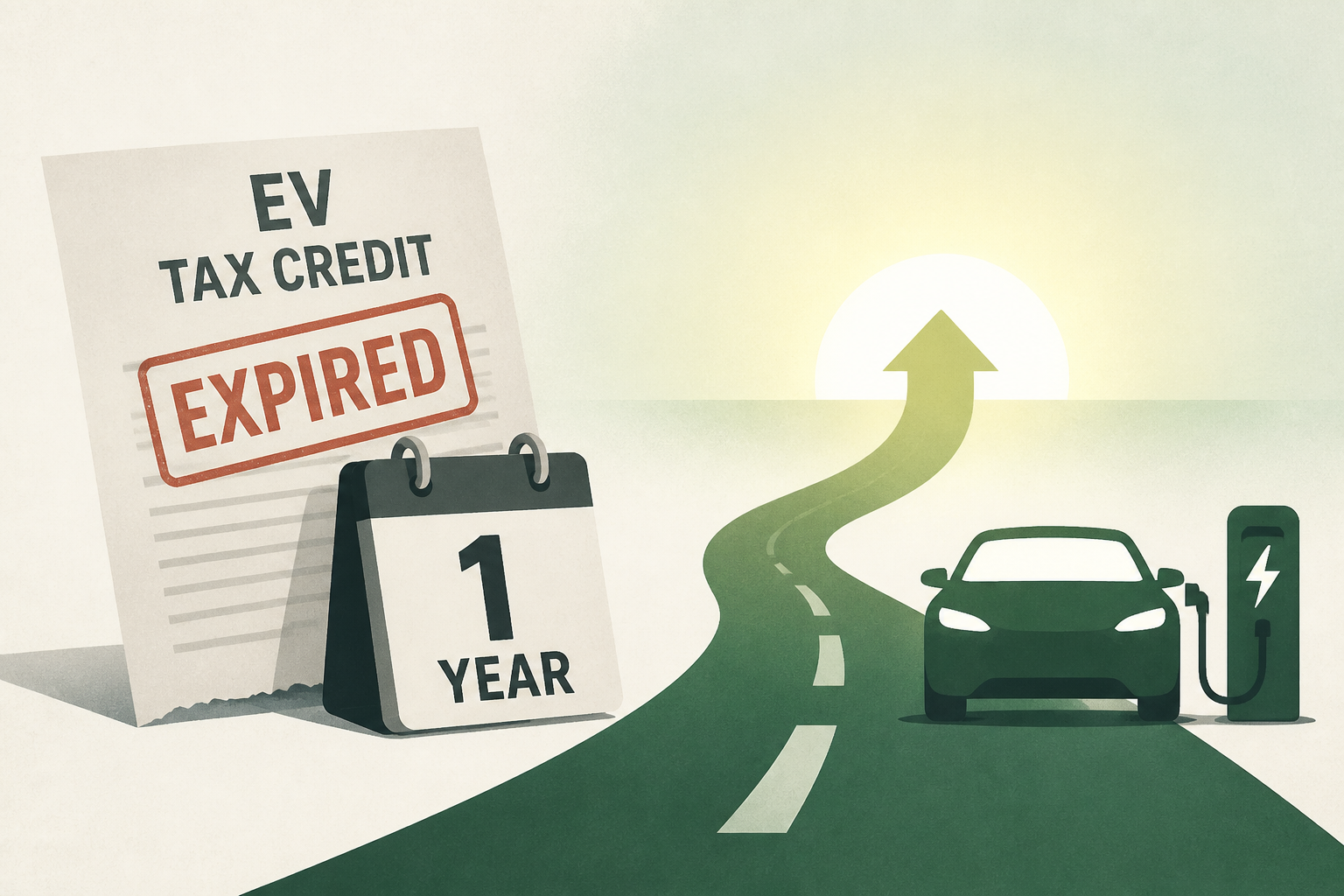
One year after the end of the EV tax credit, is the future still electric?
NPR • • business
Key Points:
- The federal tax credit for electric vehicles (EVs), which ended on September 30, 2025, led to a surge in EV sales before its expiration, but sales dropped significantly afterward, stabilizing at around 5-6% of new car sales in 2026.
- Meanwhile, hybrid vehicle sales have surged nearly 27% over the past year, driven by consumer concerns about EV battery anxiety, charging infrastructure, and high gas prices, with Toyota hybrids like the Sienna and RAV4 seeing particularly strong demand.
- The EV tax credit, introduced in 2008 and expanded in 2022, provided up to $7,500 for new EV purchases and $4,000 for used EVs, but was eliminated by Congress in 2025 amid arguments against government intervention in the market.
- The used EV market is growing as more leased EVs return to the market, making EVs more accessible at lower price points and helping to normalize electric vehicle adoption among consumers.
- Despite the loss of the tax credit, automakers continue producing EVs to remain competitive globally, with markets in China and Europe leading in EV adoption; the U.S. market is adjusting to a new equilibrium with steady demand for new EVs, growing used EV sales, and rising hybrid popularity.


