AI Image
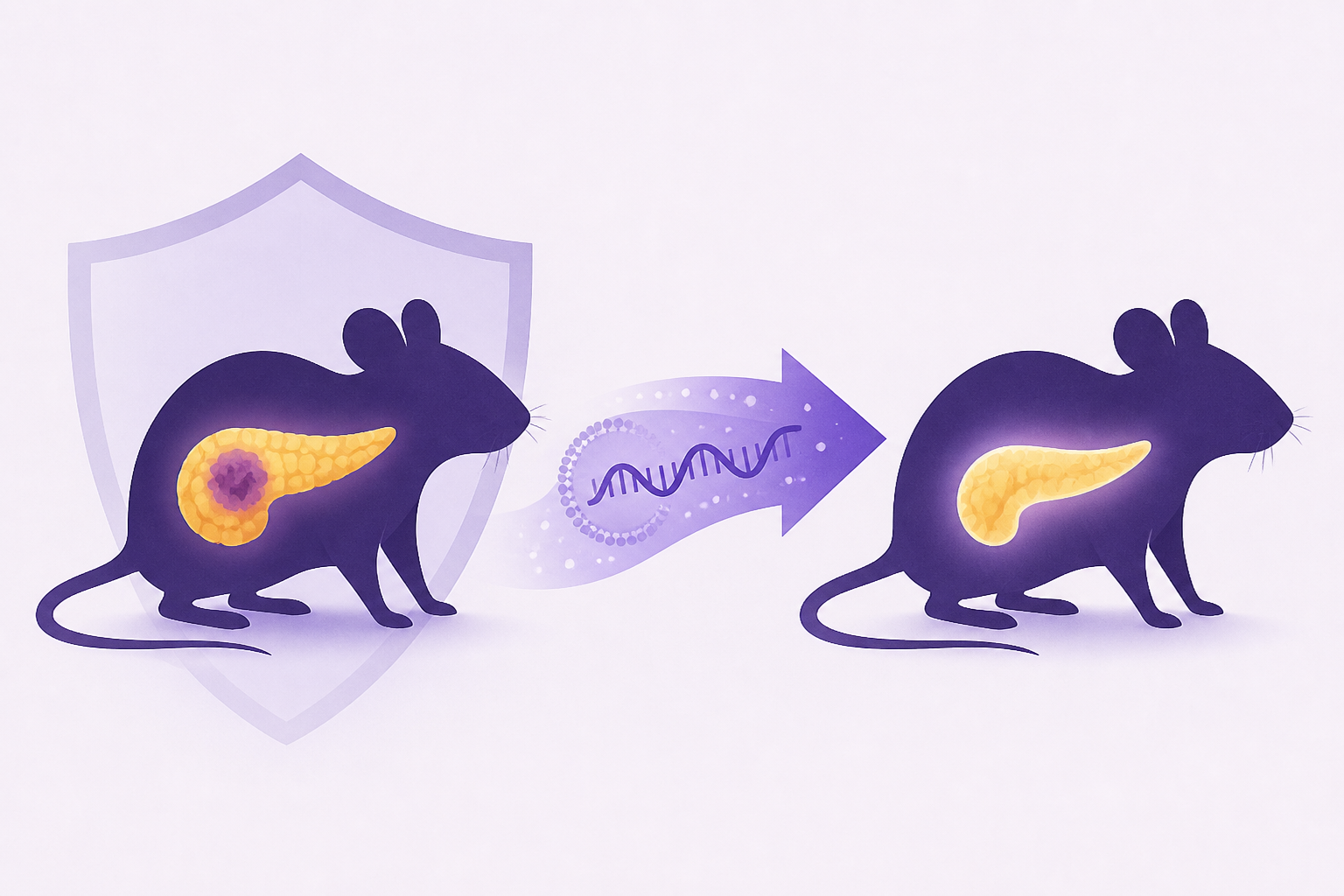
Pancreatic Cancer Disappears in Mice After New mRNA Immunotherapy
SciTechDaily • • health
Key Points:
- Researchers at UMass Chan Medical School developed an experimental mRNA therapy combining five immune cytokines and three tumor-associated antigens that led to complete tumor regression in about 50% of mice with pancreatic ductal adenocarcinoma, with no recurrence for up to a year after treatment ended.
- The therapy works by activating immune defenses, reducing the fibrotic tissue barrier around tumors, and helping immune cells recognize and attack pancreatic cancer cells, overcoming the usual resistance of these tumors to immunotherapy.
- This approach is notable for producing durable tumor protection in a cancer type with a historically low survival rate and poor response to existing treatments, offering potential for clinical testing and adaptation to other immune-resistant cancers.
- The prolonged remission in treated mice suggests the development of immune memory against the cancer, potentially allowing long-term protection and prevention of tumor recurrence.
- Researchers are progressing toward clinical trials by developing an IND-ready product, with initial funding support from the Pancreatic Cancer Alliance, aiming to translate this promising preclinical success into human therapies.


