AI Image
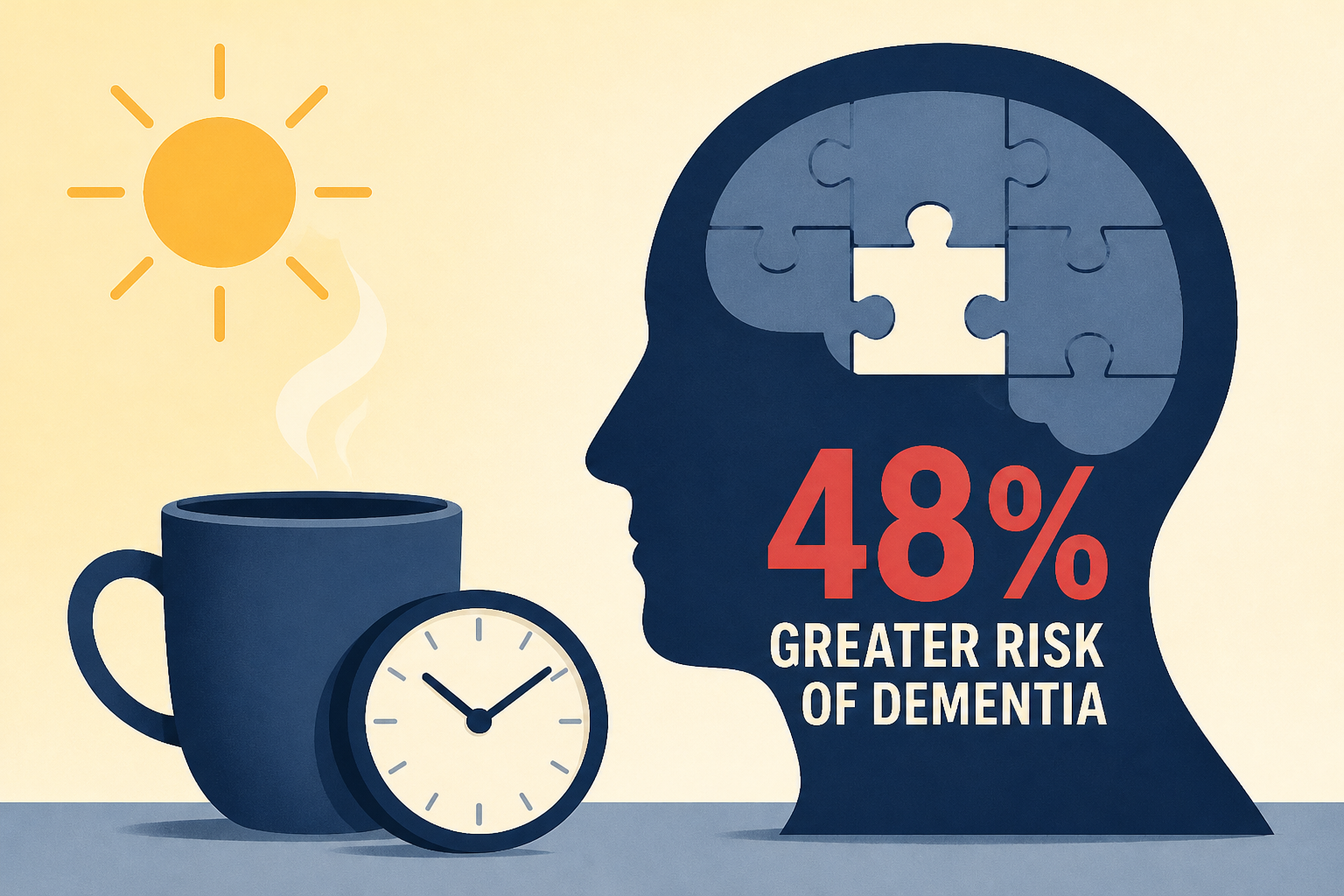
Popular daytime habit linked to 48% greater risk of dementia
New York Post • • health
Key Points:
- New research from Johns Hopkins indicates that frequent daytime napping in adults aged 65 and older is associated with a significantly increased risk of developing dementia over a 10-year period.
- Those who napped most days or every day had a 48% higher risk of dementia, with unintentional naps and naps shorter than 30 minutes also linked to elevated risks.
- The study suggests that increased napping may be a marker of early brain changes related to dementia rather than a direct cause, as the association remained even after excluding early dementia cases.
- Researchers propose that monitoring napping behavior could help identify older adults at higher dementia risk and guide preventive interventions, though the causal relationship remains unclear.
- Future studies may explore whether modifying napping habits can reduce dementia risk, but current findings emphasize napping as a potential early warning sign rather than a definitive risk factor.


