AI Image
Population-scale immune multiome atlas reveals regulatory disease mechanisms
nature.com • • health
Key Points:
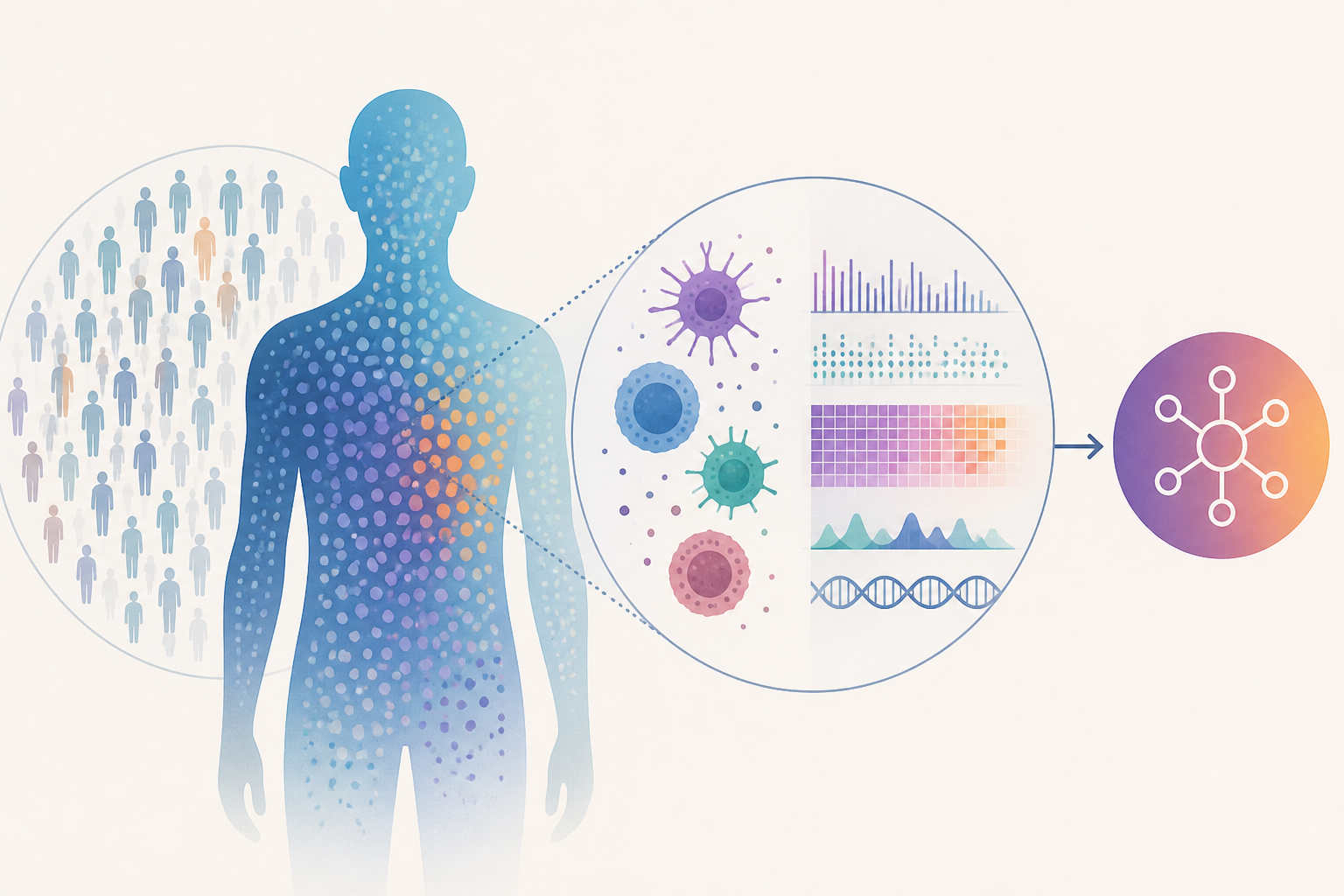
- Recent advances in genomics have enabled systematic localization and functional dissection of disease-associated genetic variants, particularly in regulatory DNA and cell type-specific contexts, enhancing understanding of complex traits and immune-related diseases.
- Large-scale projects like FinnGen and the ENCODE Project Consortium have provided valuable genetic and epigenomic data from diverse and well-phenotyped populations, facilitating fine-mapping of causal variants and integration with gene expression and chromatin accessibility data.
- Single-cell and single-nucleus multi-omics technologies, combined with advanced computational tools and statistical methods, have improved resolution in linking genetic variation to gene regulation, revealing cell type-specific genetic effects and regulatory mechanisms underlying human diseases.
- Multi-modal analyses integrating gene expression, chromatin accessibility, and enhancer-promoter interactions have identified functional regulatory elements and prioritized candidate causal variants for complex traits, including autoimmune diseases, Alzheimer's disease, and COVID-19.
- Open-source pipelines, software packages, and comprehensive atlases of genetic associations and regulatory effects are increasingly available, supporting reproducible research and accelerating discovery in human genetics and genomics.


