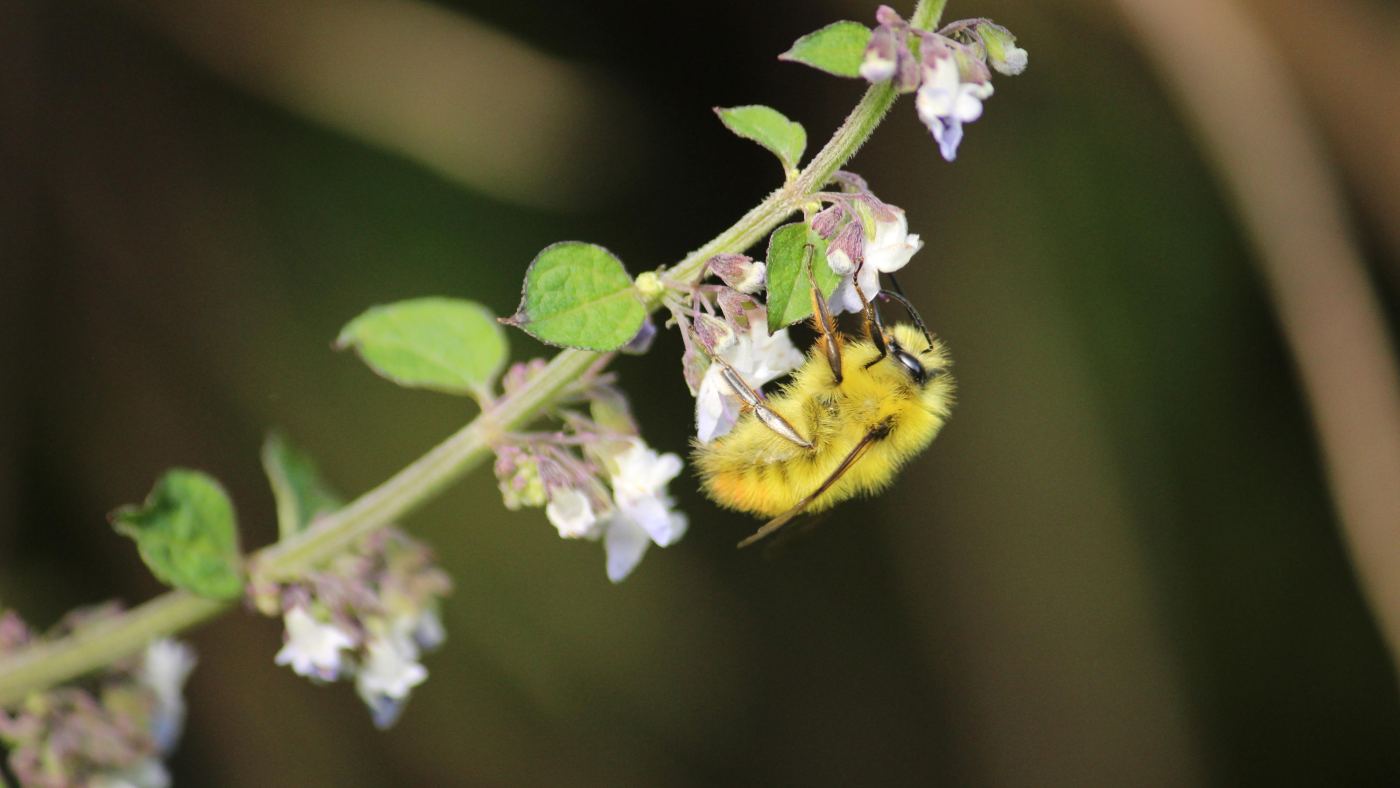
Preserving pollinators is good for health — and income
NPR • • world
Key Points:
- Research in rural Nepal reveals that pollinating insects like bees and hoverflies contribute to over 20% of people's intake of key vitamins (A, E, folate) and nearly 44% of farmers' income, highlighting a strong link between biodiversity and human health.
- Native honeybee populations have declined by nearly 50% in parts of Nepal due to climate change, habitat loss, and pesticide use, threatening nutrition and livelihoods in communities reliant on smallholder farming.
- If pollinator decline continues, vitamin A and folate intake could drop by 7% by 2030, and a complete loss of pollinators could lead to a 50% decrease in farming income and 20% reduction in key nutrient intake.
- Simple interventions such as planting wildflowers, providing bee nesting sites, and reducing pesticide use can help restore pollinator populations, potentially increasing farmer income by up to 30% and improving nutrition to lift 9% of the population out of nutrient deficiency.
- The study underscores that biodiversity conservation is crucial not only for ecosystem health but also for supporting human nutrition, income, and well-being, especially in vulnerable rural populations.


