AI Generated Image
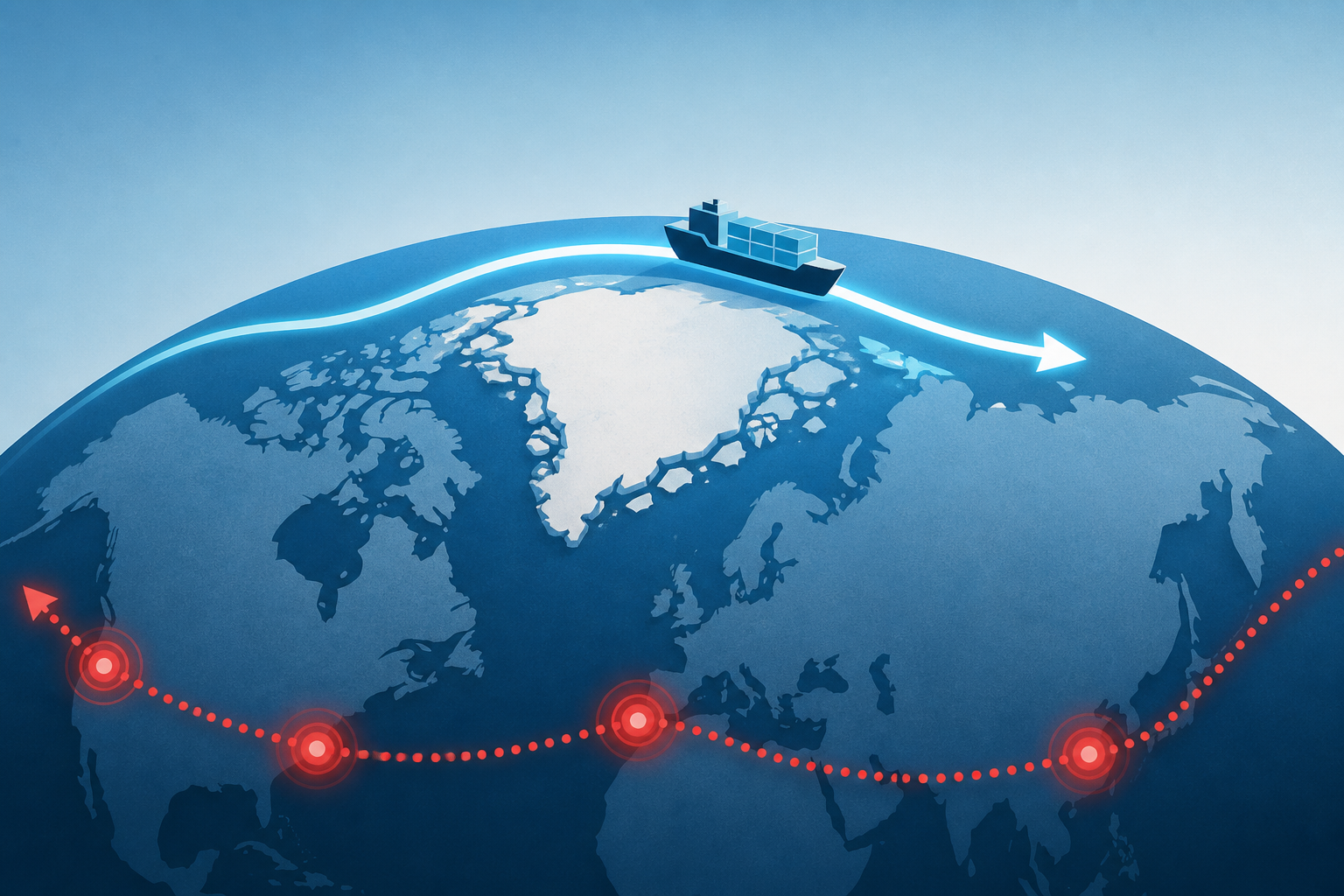
Pressure on global chokepoints drives Asia's increased use of Arctic Trade Routes
NPR • • world
Key Points:
- The first South Korean container ship reached Europe via the Arctic's Northern Sea Route (NSR), highlighting increased interest in Arctic shipping as Middle East geopolitical tensions threaten traditional trade chokepoints like the Bab el-Mandeb Strait.
- Climate change has reduced Arctic ice coverage by 10 to 15% per decade, making the NSR more navigable during late summer months, though high insurance costs and limited ice-free windows still pose challenges for regular commercial shipping.
- Asian countries including South Korea, China, India, and Japan are actively developing Arctic shipping routes and research capabilities to diversify trade routes and reduce reliance on vulnerable maritime chokepoints in the Middle East.
- Geopolitical complexities arise as Russia controls the NSR waters and requires permits and icebreaker escorts, while Western sanctions on Russia complicate cooperation; South Korea seeks to balance relations between Russia, the U.S., and the EU amid these tensions.
- The Arctic region is increasingly militarized with Russia and NATO enhancing military presence, ending the post-Cold War era of Arctic cooperation and raising concerns about the future of this strategic and economic zone.


