Private Credit and the New World of Financial Risk
paulkrugman.substack.com • • business
Key Points:
- A 2007 New York Times article profiled Sanford Weill, CEO of Citigroup, highlighting financial industry leaders' belief in a new era of prosperity and their push to eliminate regulations hindering financial innovation.
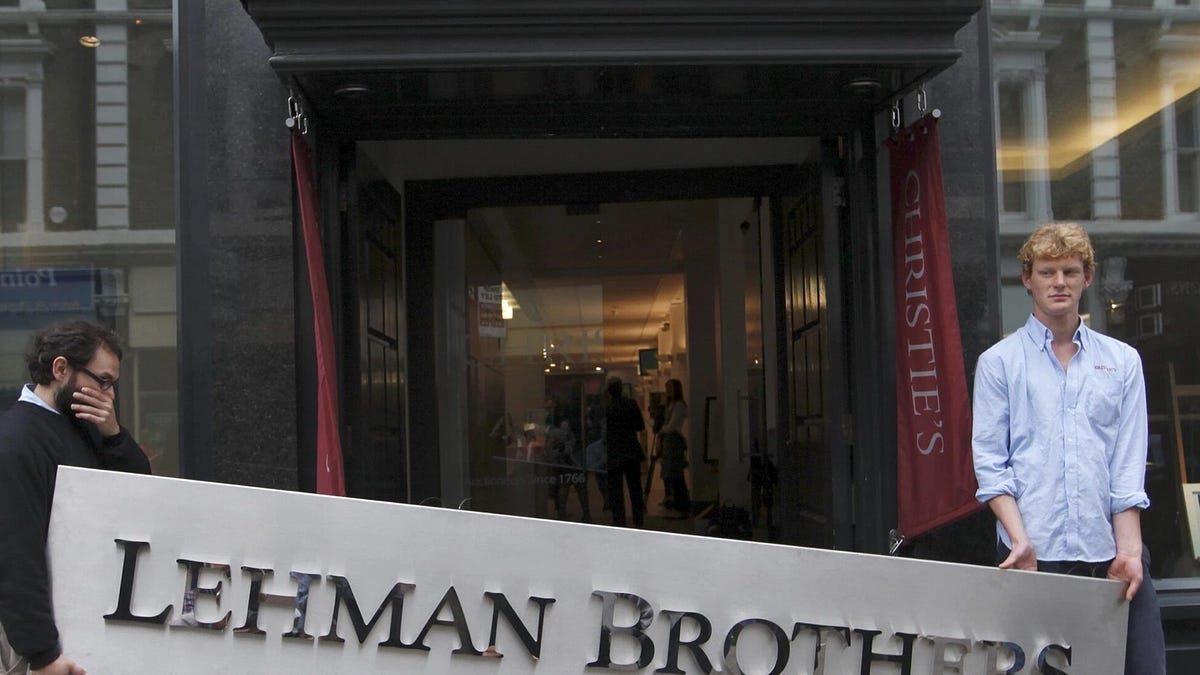
- The subsequent 2008 financial crisis, triggered by Lehman Brothers' collapse, exposed the dangers of poorly regulated "shadow banks," which contributed to a system vulnerable to bank runs reminiscent of the Great Depression.
- Despite the crisis occurring 17 years ago, political momentum for post-2008 financial safeguards is fading, with moves to weaken regulatory bodies like the Office of Financial Research and renewed enthusiasm for potentially risky financial innovations such as cryptocurrency.
- Private credit, a form of lending by less-regulated institutions, has grown significantly and is raising concerns about hidden risks in the financial system, although these lenders are not traditional banks and may pose less systemic threat than in past crises.
- The article signals an increasing unease about the resurgence of weakly regulated financial institutions and outlines a forthcoming analysis on how financial crises develop, the rise of private credit, associated risks, and whether current conditions resemble those before the 2008 crisis.


