AI Image
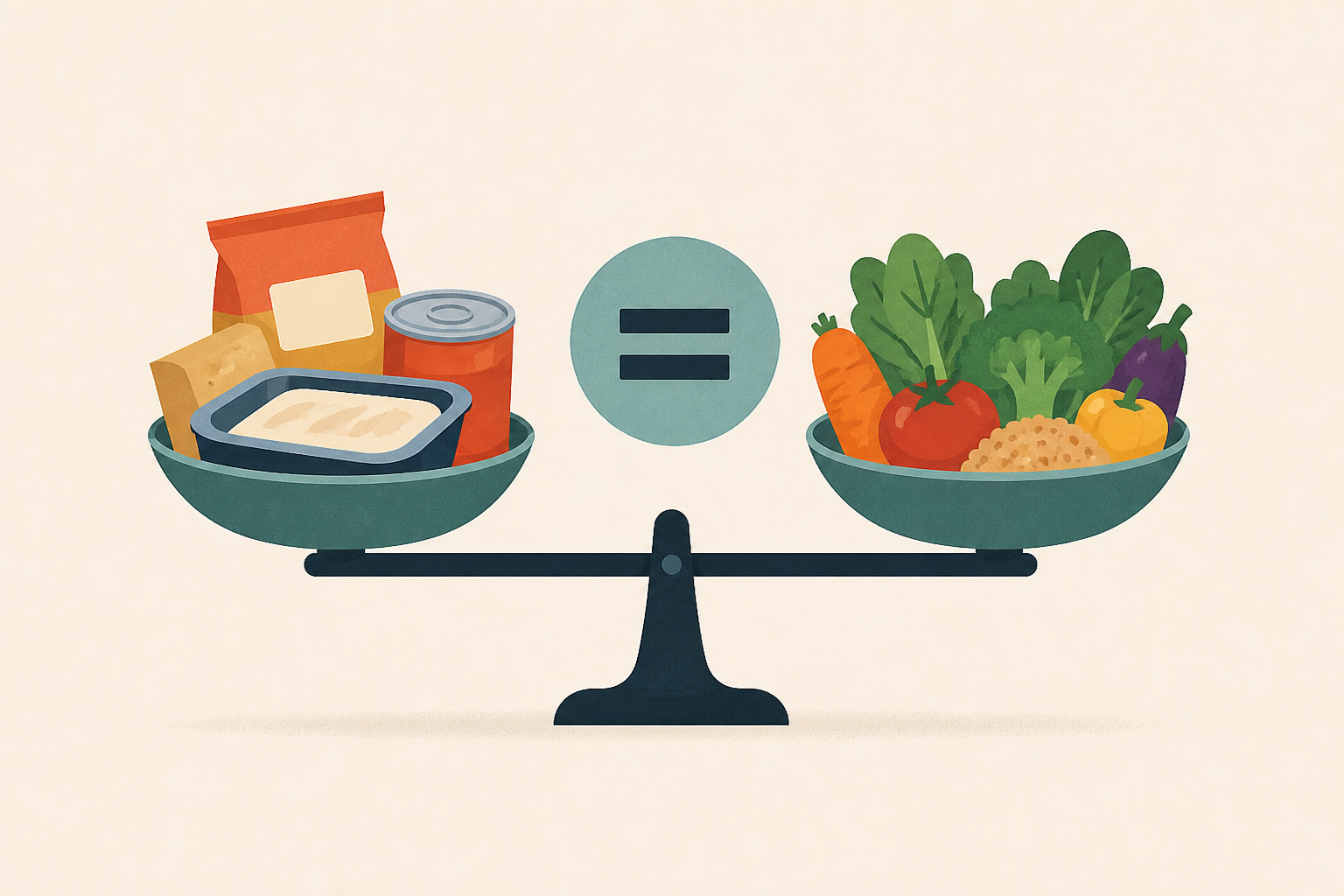
processed and whole meals—then compared the effects
Newsweek • • health
Key Points:
- A Virginia Tech study found that the degree of food processing affects metabolic and brain responses, even when meals have identical nutritional content.
- Participants who consumed highly processed meals showed higher insulin responses and prolonged elevated blood sugar levels compared to those who ate minimally processed meals.
- Brain scans revealed that ultraprocessed foods activated reward and motivation regions differently than minimally processed foods, influencing how participants valued these foods.
- Experts note the findings suggest ultraprocessed foods may contribute to insulin resistance and altered metabolism, as well as distinct neural responses linked to craving and reward.
- Further research is needed to clarify the long-term health impacts and underlying biological mechanisms of ultraprocessed food consumption.


