AI Image
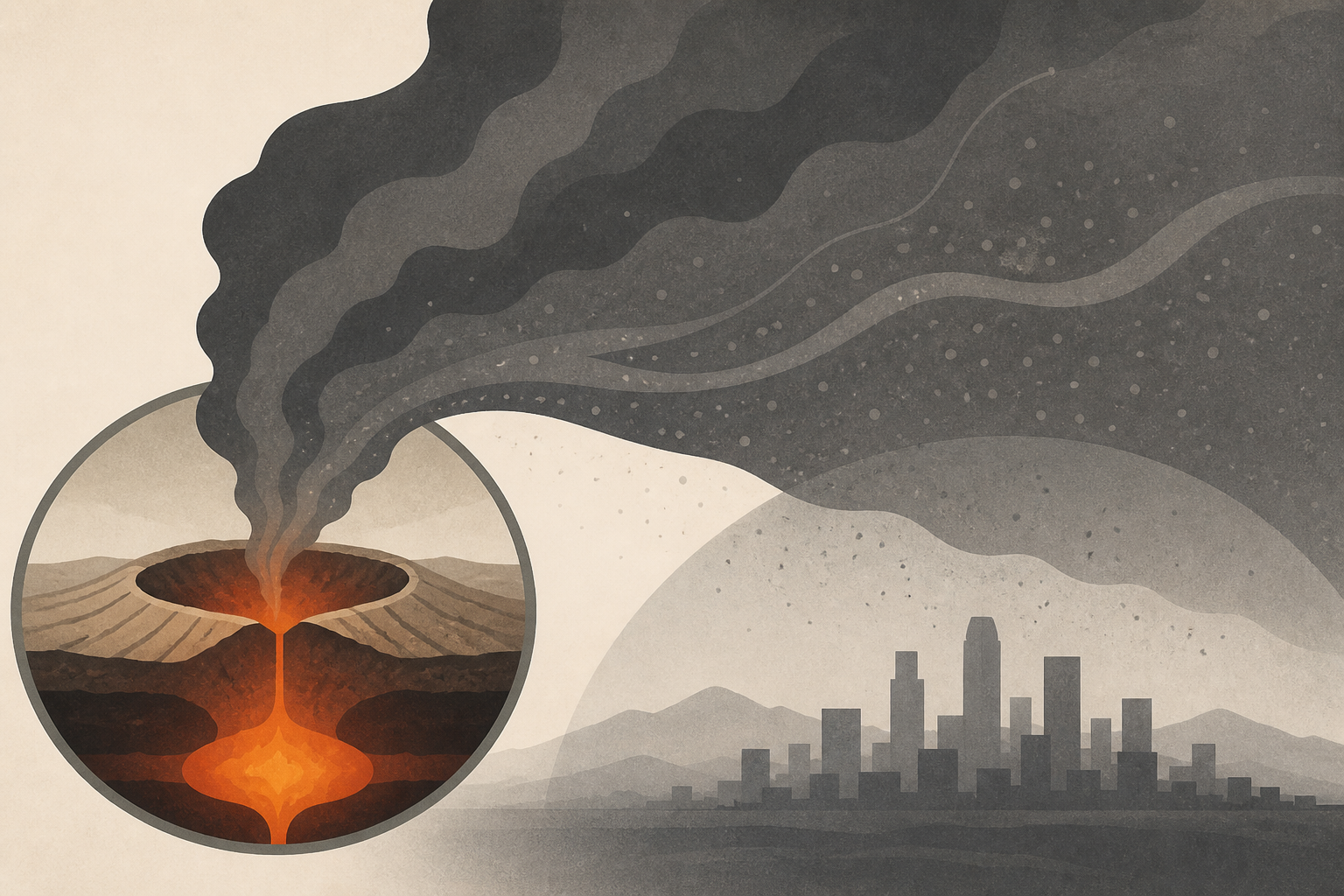
Professors outline how Yellowstone supervolcano would choke Denver
Westword • • science
Key Points:
- Around 631,000 years ago, a super-eruption occurred at the Yellowstone volcanic system, devastating life within hundreds of kilometers and dispersing ash across much of North America, with global climatic effects.
- Modern monitoring of Yellowstone includes seismometers, GPS stations, gas sampling, and satellite data; scientists watch for earthquake swarms, ground deformation, and gas emissions as signs of potential eruption.
- In a hypothetical worst-case scenario, escalating seismic activity and ground uplift would prompt evacuation of hundreds of thousands, with widespread ashfall causing infrastructure collapse, health crises, and agricultural devastation across North America.
- The eruption would produce massive ash plumes, pyroclastic flows, and long-lasting atmospheric sulfate aerosols, leading to significant regional cooling, global food shortages, disrupted transport, and a prolonged global recession.
- Recovery would take decades, with long-term health impacts from ash exposure, major population declines, and shifts toward more agrarian lifestyles, but humanity would ultimately survive despite the catastrophic environmental and societal changes.


