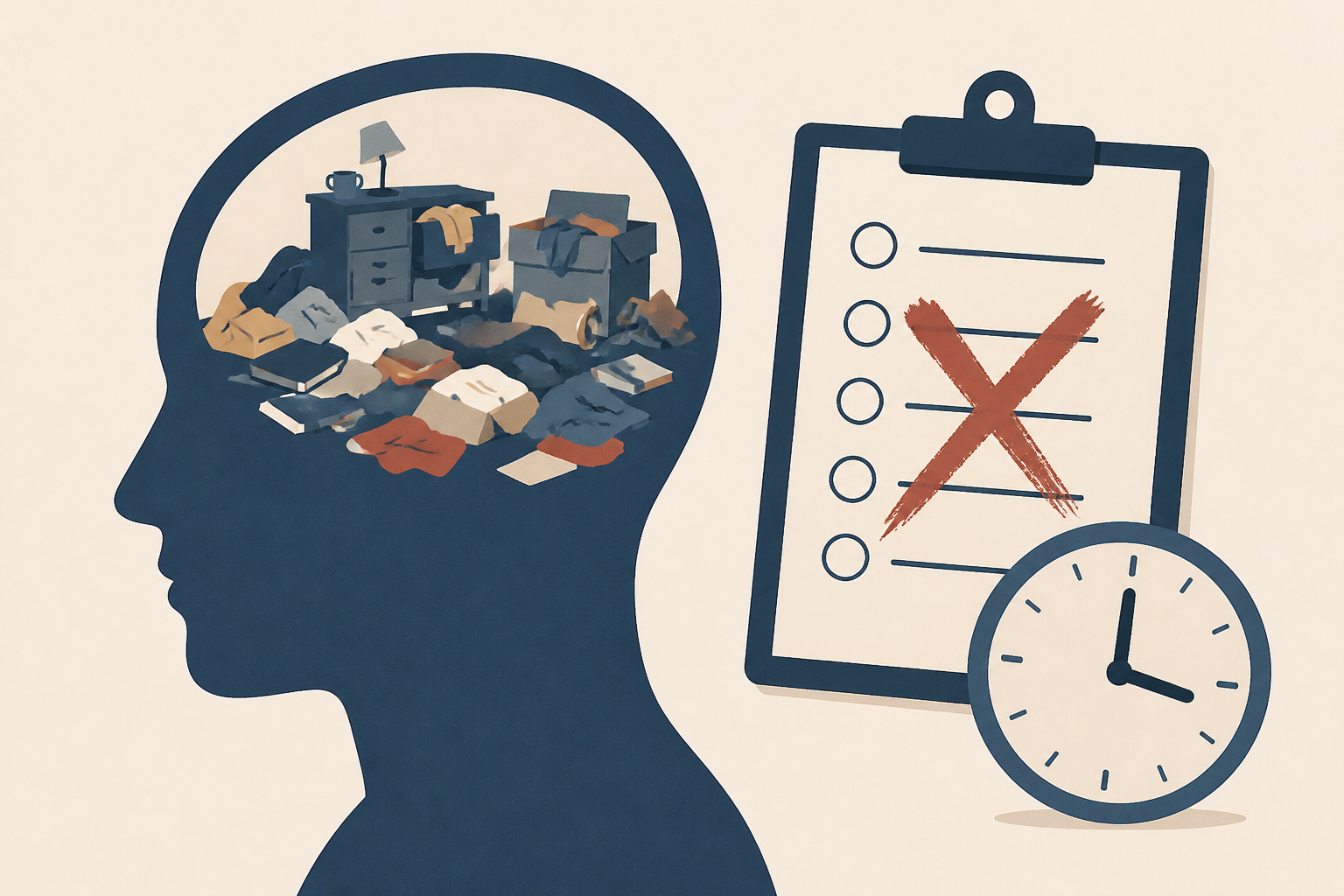
AI Generated Image
Psychologists agree that people with messy rooms struggle to keep a routine and dodge responsibilities
3DVF • • health
Key Points:
- Psychologists like Jordan Peterson and Sam D. Gosling suggest that a cluttered bedroom often reflects difficulties in managing daily routines and responsibilities, rather than mere laziness.
- A tidy room is generally associated with conscientiousness, while disorderly spaces may indicate a more flexible and creative personality.
- Research by Kathleen Vohs shows that messy environments can foster originality and unconventional thinking, as exemplified by Albert Einstein's famously cluttered desk.
- Sudden onset of disorder in an otherwise organized person may signal mental health issues such as depression or stress, and professional help should be considered.
- Overall, a messy room is not inherently negative—it can either reflect personal struggles or be a sign of creative thinking depending on the individual's usual habits.


