AI Generated Image
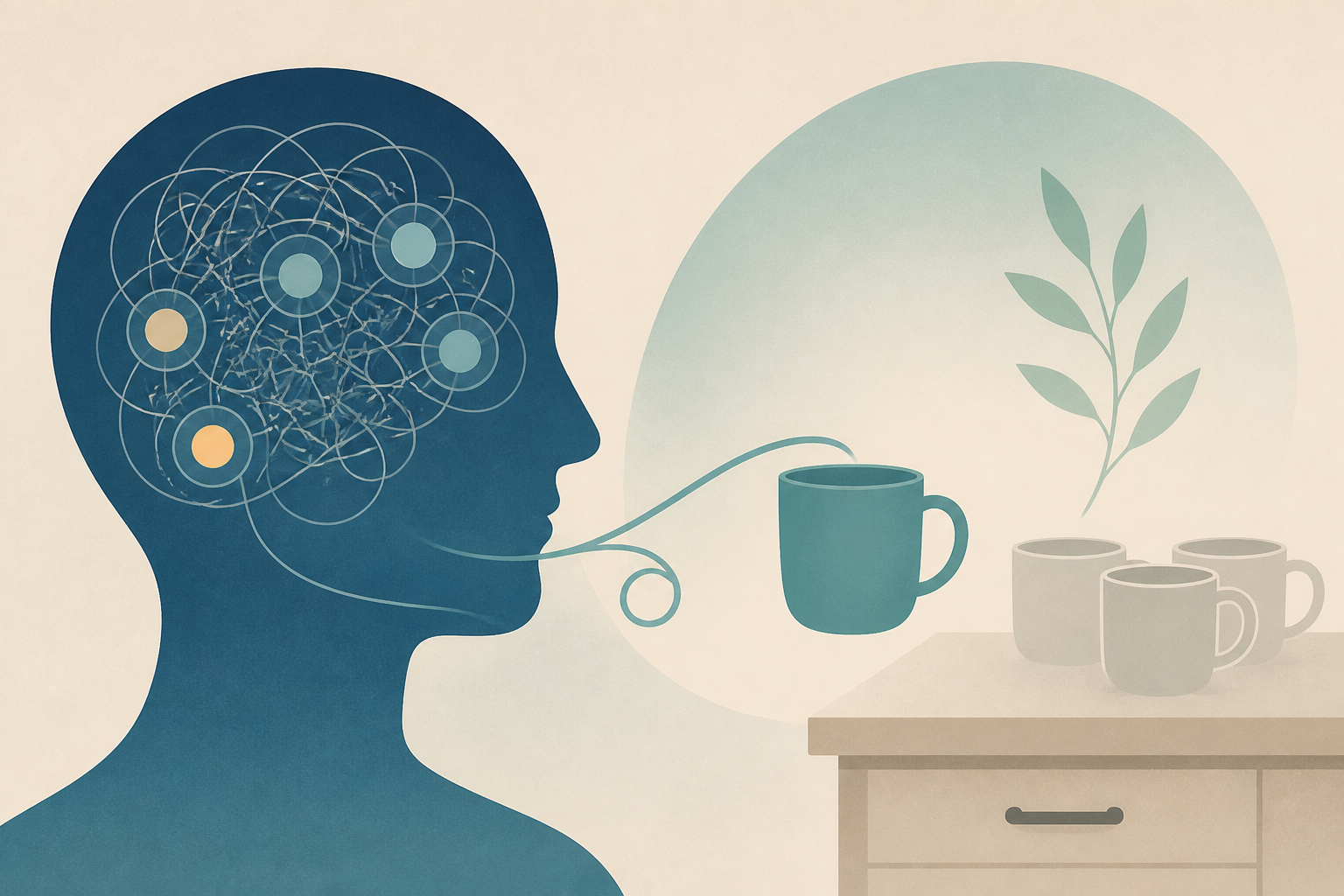
Psychology says people who carry one mug to the kitchen instead of waiting to carry four aren't tidy or impatient — they're spending real physical effort to stop holding the task in their head, and re
Silicon Canals • • science
Key Points:
- People often clear tables inefficiently by carrying one item at a time instead of waiting to carry multiple items together, a behavior explained by the psychological concept of precrastination, which prioritizes completing subtasks early to reduce mental load.
- The 2014 study by David Rosenbaum demonstrated that individuals prefer to pick up a nearer bucket requiring longer carrying distance, trading physical effort for reduced cognitive load, a behavior termed precrastination.
- Follow-up research supports the cognitive-load-reduction hypothesis, suggesting that completing tasks early frees up working memory by closing mental "open loops," even if it increases physical effort.
- Experiments with pigeons indicate that this trade-off between physical and mental effort may be evolutionarily ancient, though the exact cognitive mechanisms in animals remain debated.
- A 2023 study involving carrying dodgeballs confirmed that people tend to front-load physical tasks to reduce cognitive load, reinforcing that precrastination is a common, rational cognitive trade-off rather than a personality flaw.


