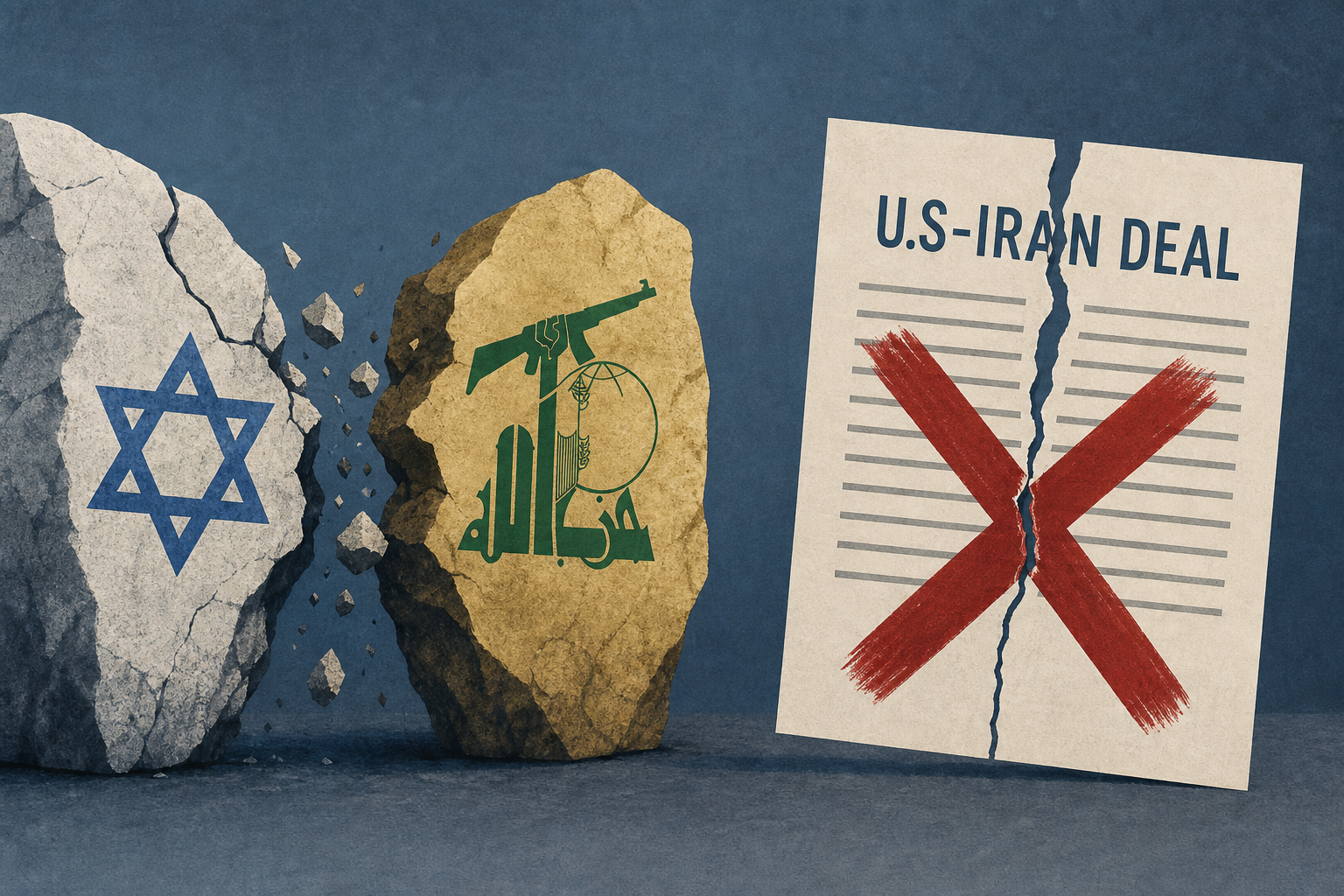
AI Generated Image
Renewed fighting between Israel and Hezbollah could scupper the U.S-Iran deal
NBC News • • world
Key Points:
- Israel's military prepared for an Iranian missile attack following Israeli airstrikes on Hezbollah targets in Lebanon, but the attack did not occur, allowing the U.S. and Iran to announce plans for a permanent ceasefire deal in Geneva.
- Israeli Prime Minister Benjamin Netanyahu has not publicly commented on the deal and is reportedly seeking a meeting with President Trump to discuss it, amid tensions as Trump criticized Netanyahu for continuing strikes against Hezbollah.
- Israeli Defense Minister Israel Katz stated that the Israel Defense Forces will not withdraw from conflict zones in Lebanon, Syria, and Gaza, signaling opposition to the ceasefire terms and ongoing military presence despite the agreement.
- Israeli politicians across the spectrum condemned the deal, with far-right ministers calling it detrimental to Israel's security and sovereignty, while opposition leaders criticized Netanyahu for being sidelined during the negotiations.
- Netanyahu faces political pressure to maintain a hardline stance against Hezbollah ahead of upcoming elections, with analysts suggesting he may assert Israel's interests over the ceasefire deal, requiring Trump to mediate to ensure progress.


