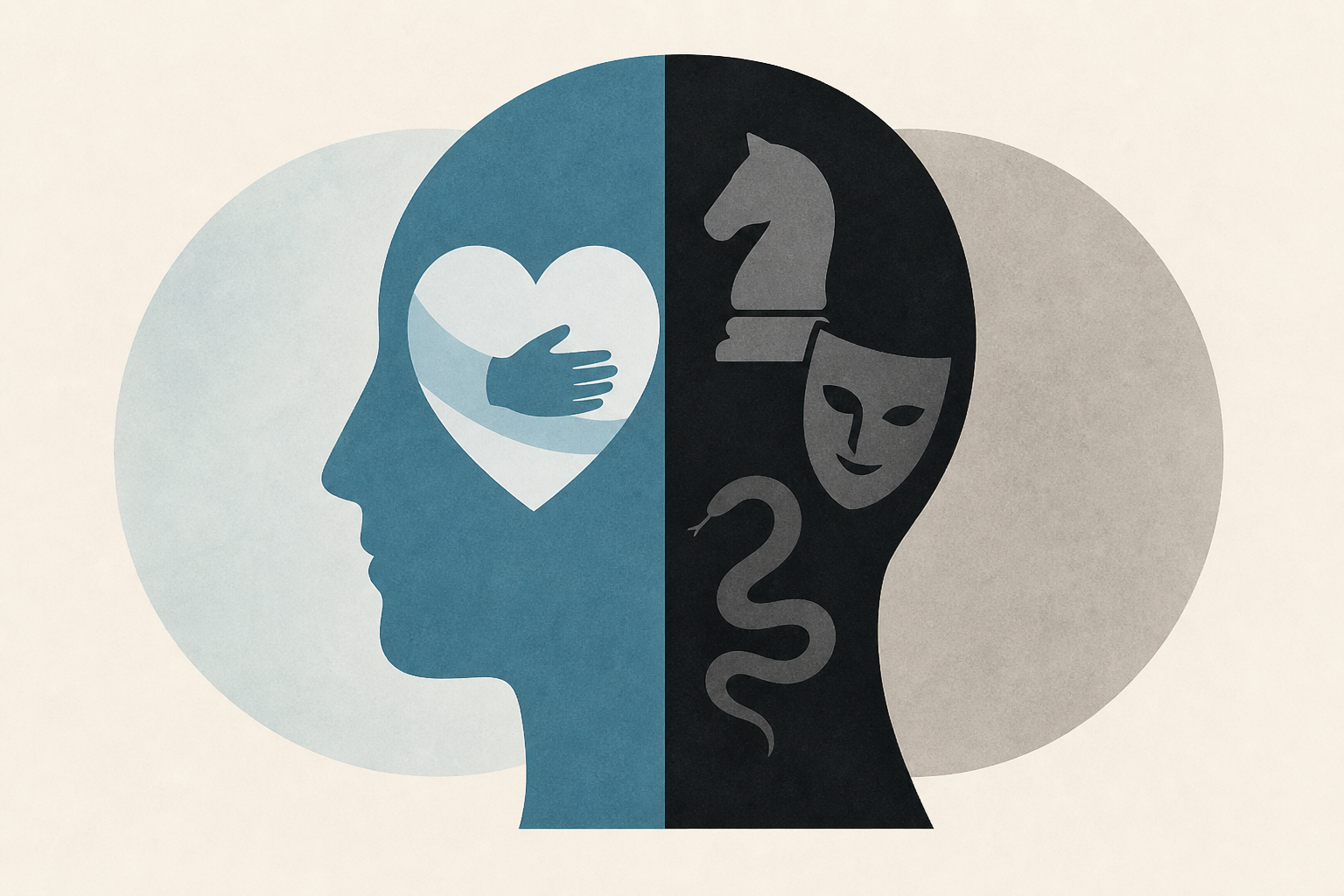
AI Generated Image
Researchers identified a personality profile that combines high empathy with high levels of narcissism, Machiavellianism, and psychopathy, in a finding that has complicated the standard scientific pic
Space Daily • • health
Key Points:
- Recent peer-reviewed research challenges the traditional view of empathy as an unambiguously positive human trait, revealing it to be selective, exhaustible, and sometimes exploitable by harmful personalities.
- The 2020 Heym study identified a "Dark Empath" group—about 19% of adults—who combine high empathy with high Dark Triad traits (narcissism, Machiavellianism, psychopathy), using empathy to manipulate and harm others rather than solely to help.
- Neuroscience shows empathy is biased toward in-group members and diminishes with sustained exposure to others' suffering, contrasting with compassion, which is a more sustainable and distinct mental state focused on caring without sharing distress.
- The popular belief that empathy is a reliable moral compass is undermined by evidence that it can be selectively applied, depleted, and weaponized; compassion may be a more effective and durable guide for ethical behavior.
- These findings imply that emotional understanding does not guarantee trustworthiness, as some individuals may use empathic abilities strategically for manipulation, highlighting the complexity of empathy in social and moral contexts.


