AI Image
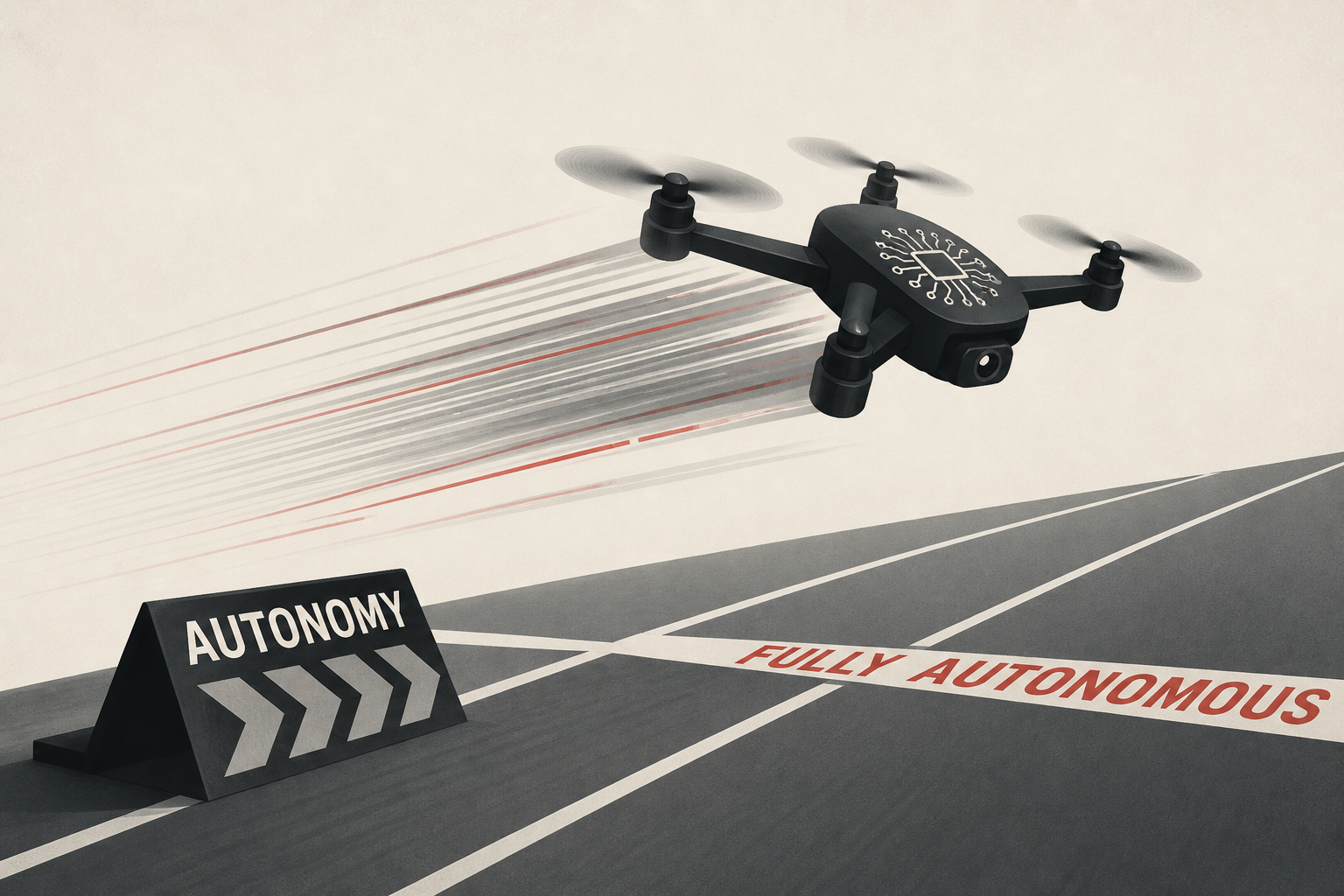
Russia-Ukraine war is accelerating the dangerous race toward fully autonomous drones
The Conversation • • world
Key Points:
- The Russia-Ukraine conflict has accelerated the deployment of semi-autonomous drones, with both nations developing drones capable of AI-assisted navigation, target recognition, and autonomous engagement, potentially leading to widespread use of fully autonomous drones in the near future.
- Russia has fielded fully autonomous drones like the V2U model, which can select and attack targets without human intervention, while Ukraine has developed modular AI-driven systems to enhance drone autonomy, though large-scale deployment of fully autonomous drones remains limited.
- Autonomous drones offer battlefield advantages such as reduced reliance on communications, resilience to electronic warfare, improved targeting of moving objects, and decreased personnel needs, enabling deeper strikes into enemy territory.
- Ethical concerns arise from the diminishing human control over lethal decisions, with Ukraine maintaining human verification in combat decisions, whereas Russia emphasizes human control in system operation but not necessarily in target verification, raising risks of unintended harm and collateral damage.
- Future developments, including swarming drones capable of autonomous collective behavior, pose significant challenges to ensuring human oversight and proportionality in warfare, intensifying the risks of fully autonomous lethal systems on the battlefield.


