AI Generated Image
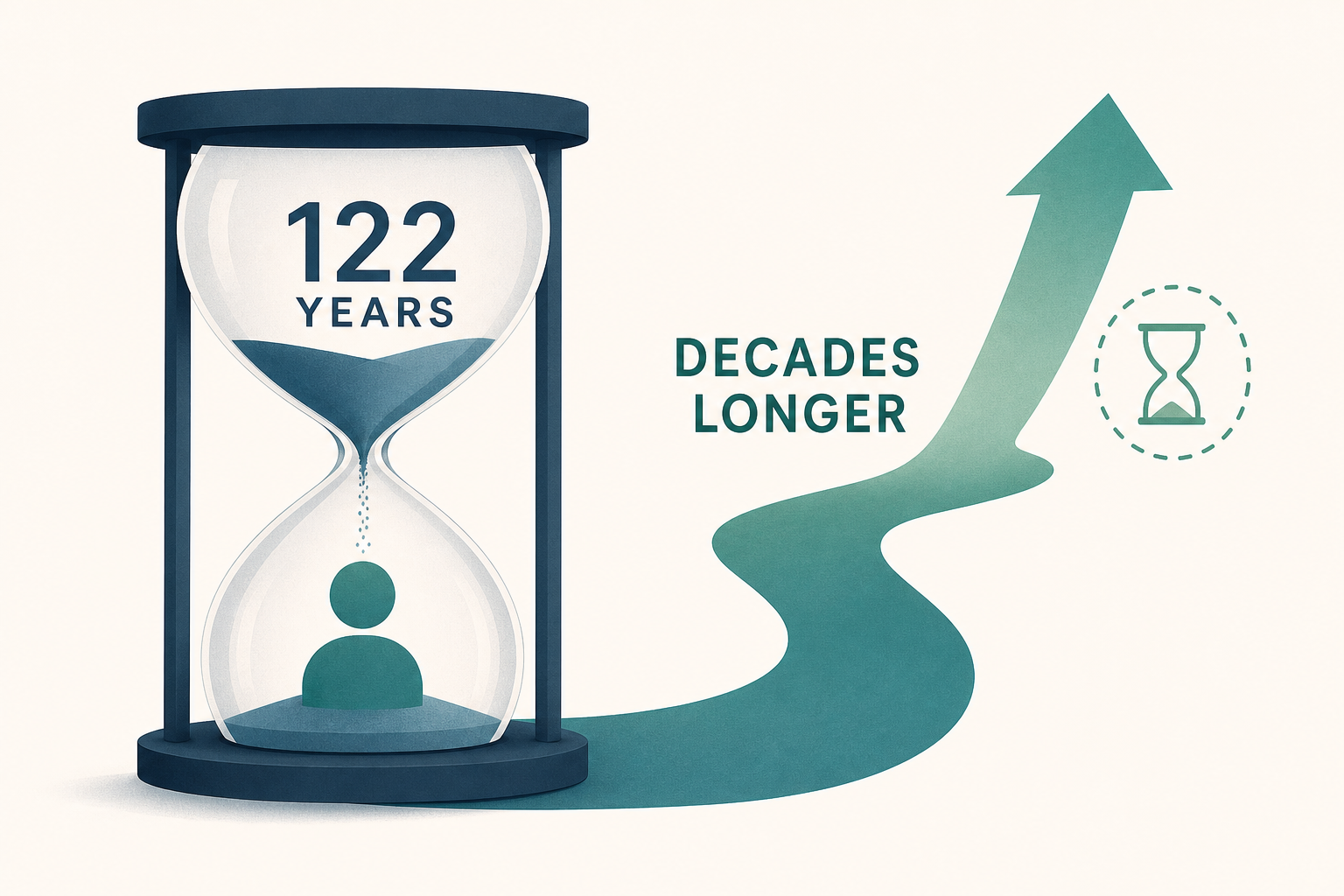
Science thought the human lifespan was 122 years. A new model says we could live decades longer.
Yahoo • • health
Key Points:
- The current oldest living person is Ethel Caterham from the UK, aged 116, while previous research suggested a human lifespan limit of about 122 years.
- A 2026 study by Russian researchers proposes that humans could potentially live up to 156 years by eliminating the effects of somatic mutations, which accumulate in cells and contribute to aging.
- Somatic mutations particularly impact non-regenerating tissues in the brain and heart, leading to conditions like dementia and heart disease, which are major causes of death.
- Although the study highlights the role of DNA damage in aging, other biological factors also contribute, and no current treatment can reverse somatic mutation damage in vital organs.
- Experts emphasize that healthy lifestyle habits—such as not smoking, maintaining weight, and managing health conditions—can extend life expectancy by about 10 years, underscoring practical approaches to aging well.


