AI Image
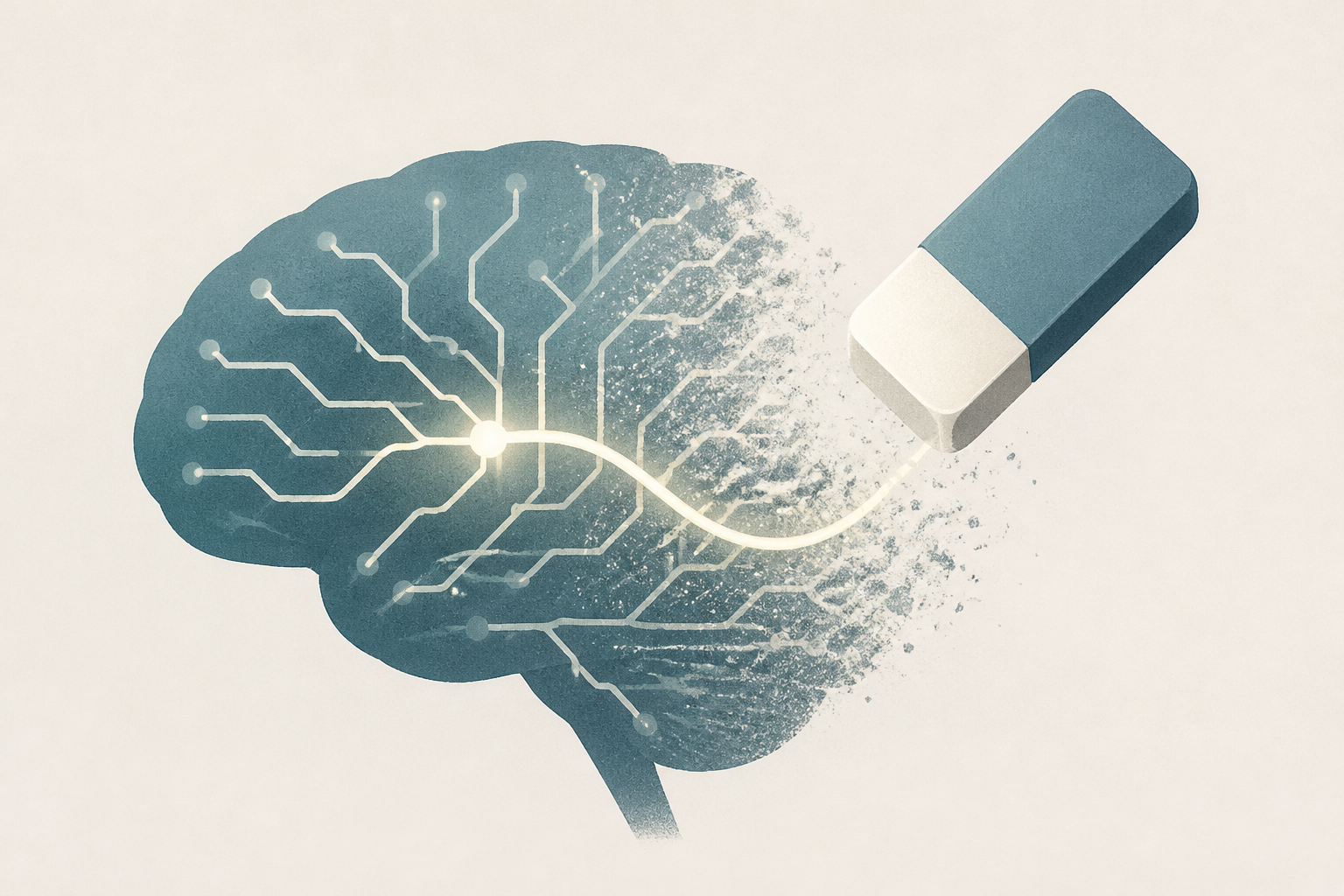
Scientists are learning to rewire brains and erase memories
New York Post • • health
Key Points:
- South Korean scientists developed a technique called SynTrogo that uses astrocytes to remove about 30% of nerve cell connections in mice's memory centers, resulting in stronger recall of a mild electric shock after three weeks.
- This research is part of a broader global effort to rewire brain circuits using advanced technologies like optogenetics and genetically engineered proteins to potentially treat mental health disorders such as depression and PTSD.
- Duke University’s LinCx technique aims to create new neural communication pathways to restore brain circuit function permanently, though challenges remain in preventing unintended connections and ensuring safety before human use.
- Ethical concerns arise about altering memories, as treatments that modify or erase traumatic memories could impact personal identity and raise questions about where to draw the line between therapy and unwanted changes.
- Despite promising results in animals, researchers emphasize that much more work is needed to understand individual brain circuit dysfunctions, ensure reversibility, and establish long-term safety before applying these interventions to humans.


