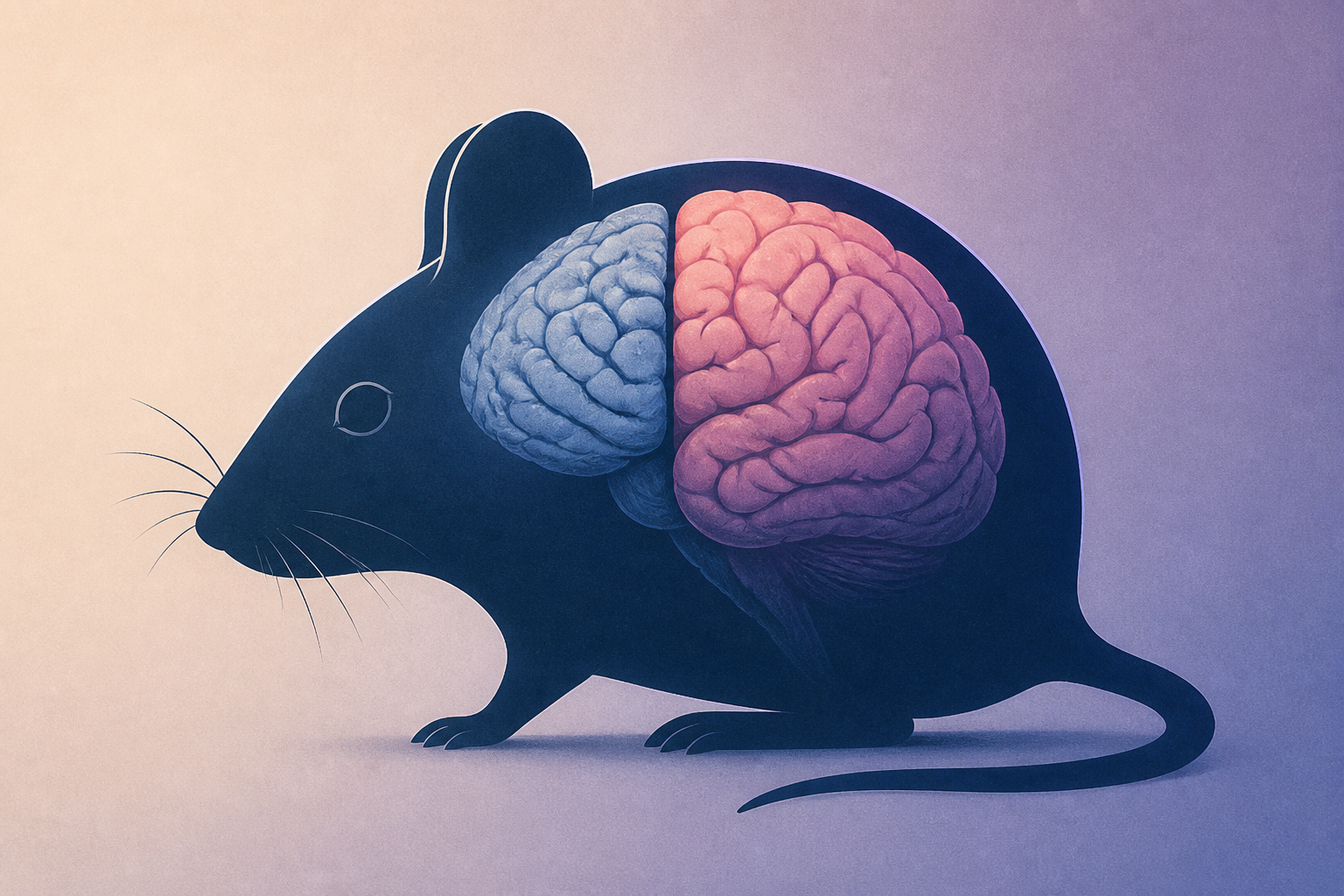
AI Image
Scientists create living mice with half-human brains
Yahoo • • health
Key Points:
- Stanford scientists have successfully grown human brain tissue inside genetically engineered mice, with the tissue comprising up to half the brain volume in some animals, enabling the study of neurological disorders such as schizophrenia and cerebral palsy.
- The human brain tissue, derived from reprogrammed patient skin cells, integrated with mouse brain and spinal cord cells but remained immature and fetal-like, without enhancing mouse cognition but slightly improving gait and memory.
- The model demonstrated vulnerability of human neurons to low oxygen conditions mimicking cerebral palsy, and revealed von Economo neurons linked to frontotemporal dementia, which researchers plan to investigate further.
- Ethical concerns persist regarding the consciousness and welfare of animals carrying human brain tissue, prompting calls for ongoing oversight despite adherence to international ethical guidelines and donor consent.
- The research underscores a debate in neuroscience between in vivo models, which provide biological complexity, and in vitro organoid models, which avoid animal use but may lack full physiological relevance.


