AI Image
Scientists Create Mice With Brains That Are Partly Human
Newser • • health
Key Points:
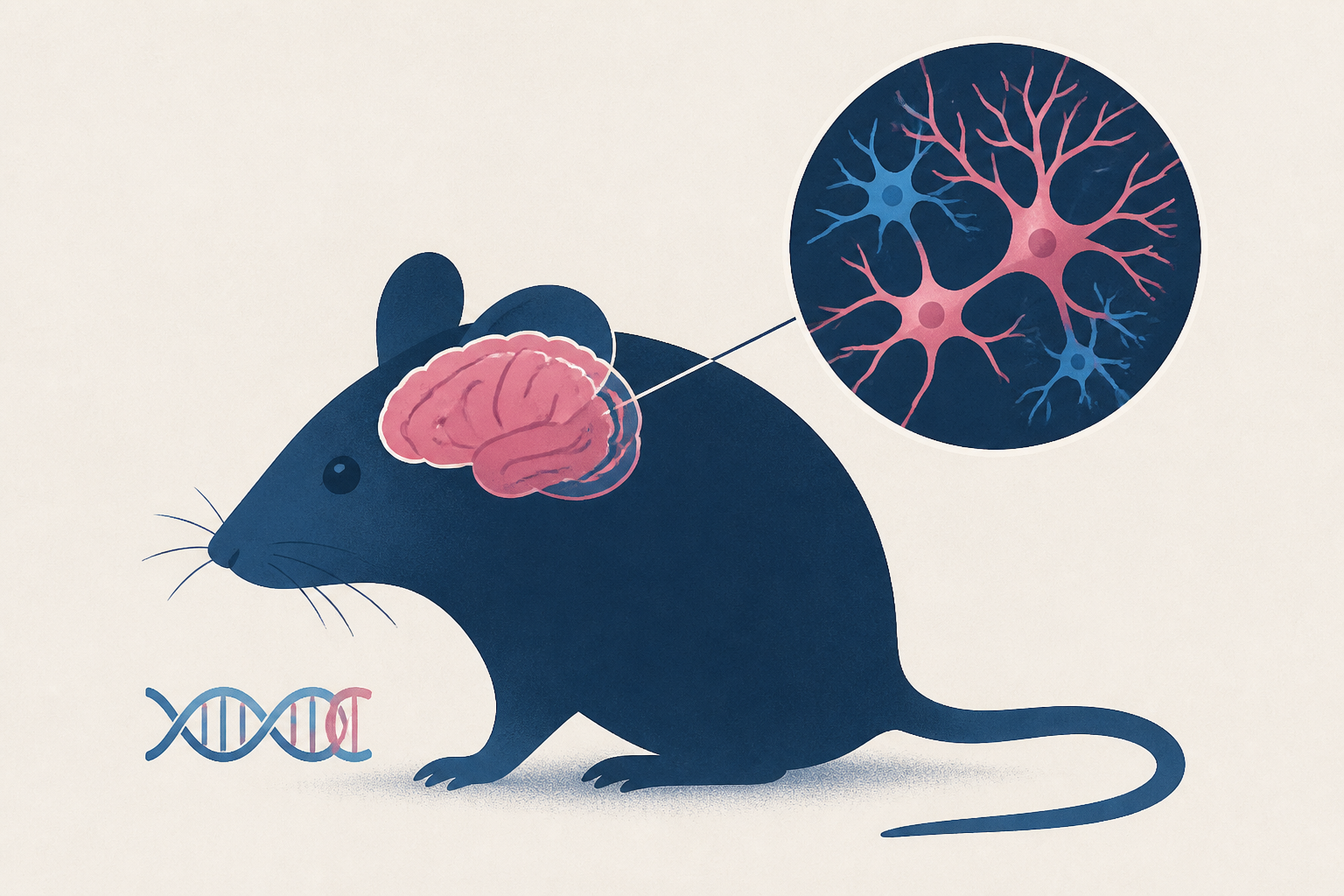
- Stanford neuroscientists bioengineered mice with most of their cerebral cortex removed, implanting human brain organoids that integrated with the animals' neural circuits, aiming to create better models for neurological disorders like autism and epilepsy.
- The implanted human cells grew and formed connections in the mice brains, with over 90% of the cortical tissue human after three months, and the mice exhibited normal behavior without enhanced cognition.
- Researchers observed the development of von Economo neurons—cells unique to large social animals and implicated in frontotemporal dementia—within the mice, offering new avenues to study disease mechanisms.
- The breakthrough is considered transformative for studying human brain function and testing therapies, but it raises ethical concerns about cognition alteration in lab animals and calls for strict oversight and regulation.
- Experts warn about potential risks if human brain cells are implanted in larger animals, emphasizing the need for ethical guidelines to govern such research.


