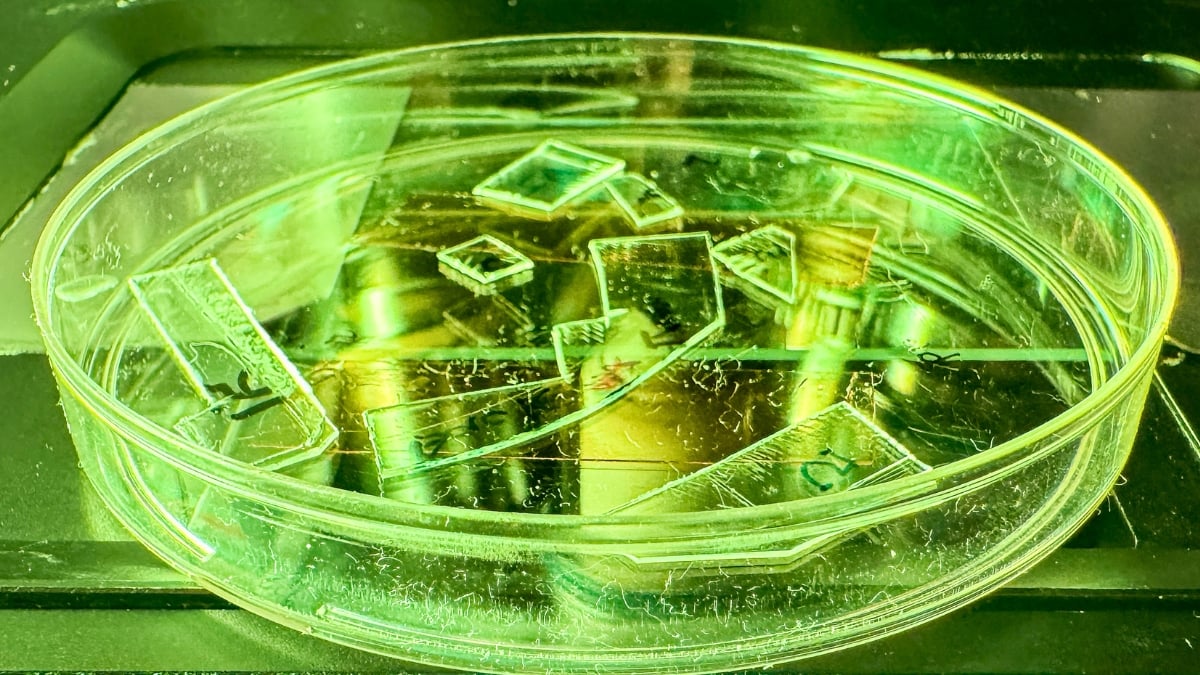
Scientists Created a Plastic Film That Physically Rips Viruses Apart
ScienceAlert • • health
Key Points:
- Researchers have developed a thin, flexible acrylic film with nanoscale pillars that physically rupture viruses, specifically human parainfluenza virus type 3 (hPIV-3), offering a chemical-free method to reduce surface-borne infections.
- The nanotextured surface mimics insect wings' natural bactericidal properties, killing viruses through mechanical force by stretching and rupturing their outer shells, achieving up to 94% viral destruction within an hour.
- This new material is cost-effective, scalable, and can be applied to various surfaces such as phones, hospital equipment, food packaging, and public transport, potentially reducing reliance on chemical disinfectants.
- Unlike chemical disinfectants, which can wear off, harm the environment, or promote antimicrobial resistance, the nanostructured surface provides a durable, environmentally friendly alternative, though it may degrade over time due to physical and environmental stressors.
- The research highlights the importance of nanopillar spacing, with approximately 60 nanometres between pillars being most effective, and represents a significant advancement in designing germ-free surfaces without harmful chemicals.


