Scientists Discover a New Branch of Life in the Deep Sea
Inside Climate News • • science
Key Points:
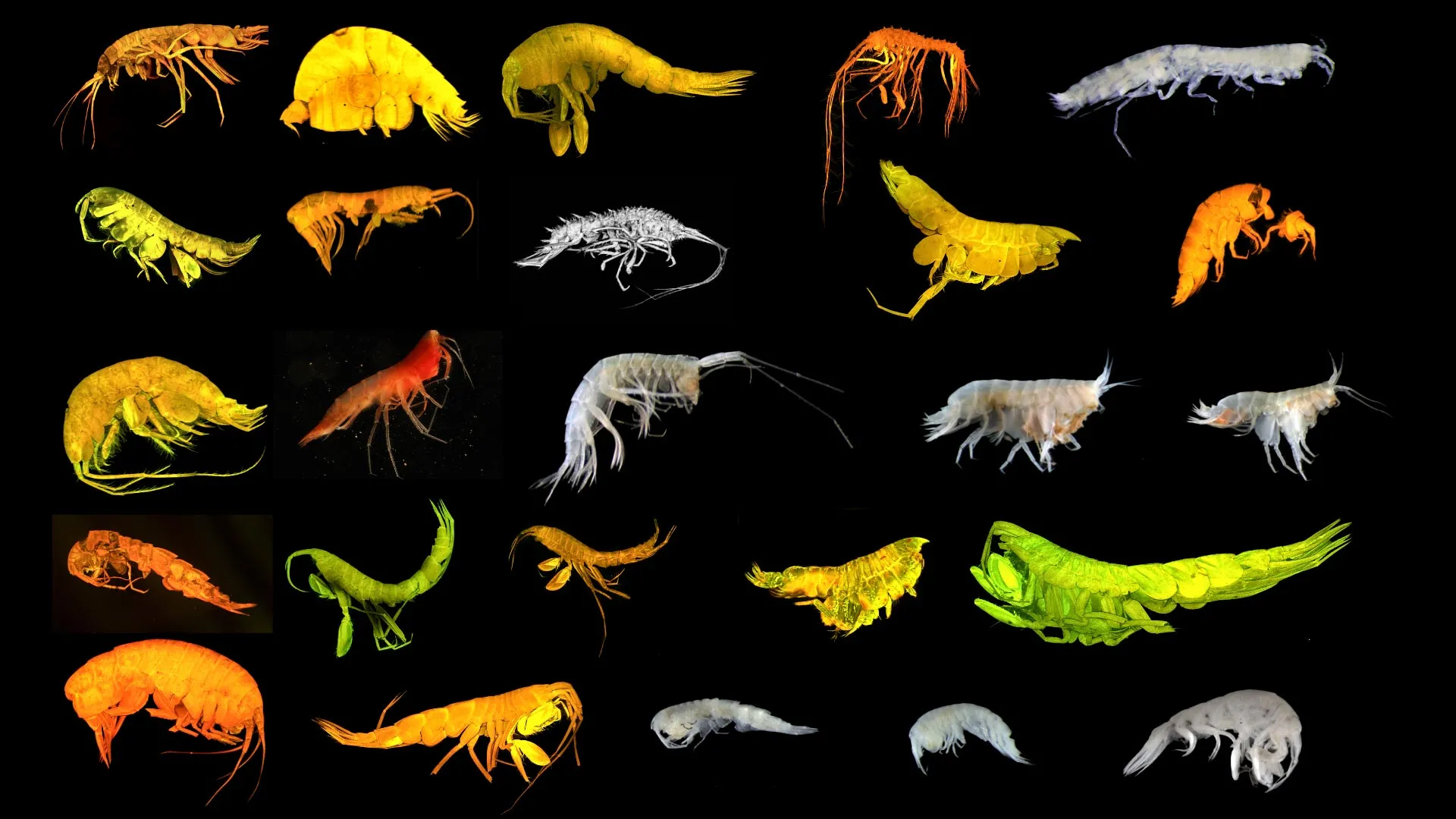
- Researchers have identified 24 new deep-sea species and a new evolutionary branch of amphipods in the Clarion Clipperton Zone (CCZ), a mineral-rich area between Hawaii and Mexico slated for deep-sea mining.
- The discovery highlights the vast unknown biodiversity of the deep ocean and raises concerns about the environmental impact of mining activities, especially as over 90% of species in the CCZ remain unnamed.
- Recent regulatory changes by NOAA under the Trump administration have fast-tracked deep-sea mining permits, allowing commercial recovery applications alongside exploration licenses, potentially accelerating extraction before comprehensive scientific study.
- Environmental assessments show that mining activities drastically reduce species abundance and biodiversity in the CCZ, with a 37% drop in abundance and nearly one-third loss in biodiversity observed after test mining in 2022.
- Scientists emphasize the importance of naming new species to give them recognition and protection, and ongoing international efforts aim to identify 1,000 new deep-sea species by 2030 to better understand and conserve this fragile ecosystem.


