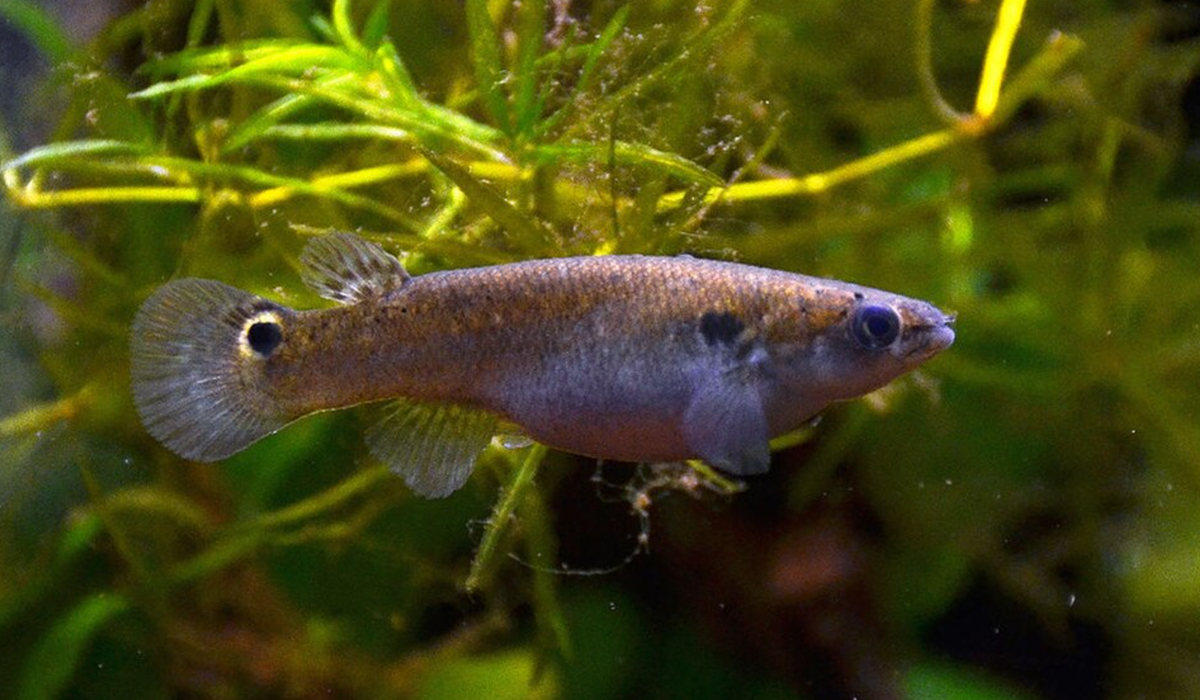
Scientists Gave ‘Aggressive’ Fish Psychedelic Drugs. A Breakthrough Came Next
404 Media • • science
Key Points:
- A study published in Frontiers in Behavioral Neuroscience found that mangrove rivulus fish treated with psilocybin, the psychoactive compound in magic mushrooms, exhibited reduced aggressive behavior compared to untreated fish.
- The research is the first to demonstrate that psilocybin decreases aggression in any animal model, using genetically identical hermaphroditic fish to isolate behavioral effects from genetic variation.
- Psilocybin specifically reduced high-energy aggressive actions like darting attacks, while low-energy behaviors such as lateral and head-on displays remained unchanged, contrary to researchers' expectations.
- The findings contribute to broader research on psychoactive substances' effects on fish and may provide insights into neural mechanisms relevant to humans, given shared aspects of brain anatomy.
- Future studies are planned to explore the impact of varying psilocybin doses and potential tolerance development in fish, which could inform medicinal and toxicological understanding of the compound.


