AI Image
Scientists just discovered what coffee really does to your gut and brain
ScienceDaily • • health
Key Points:
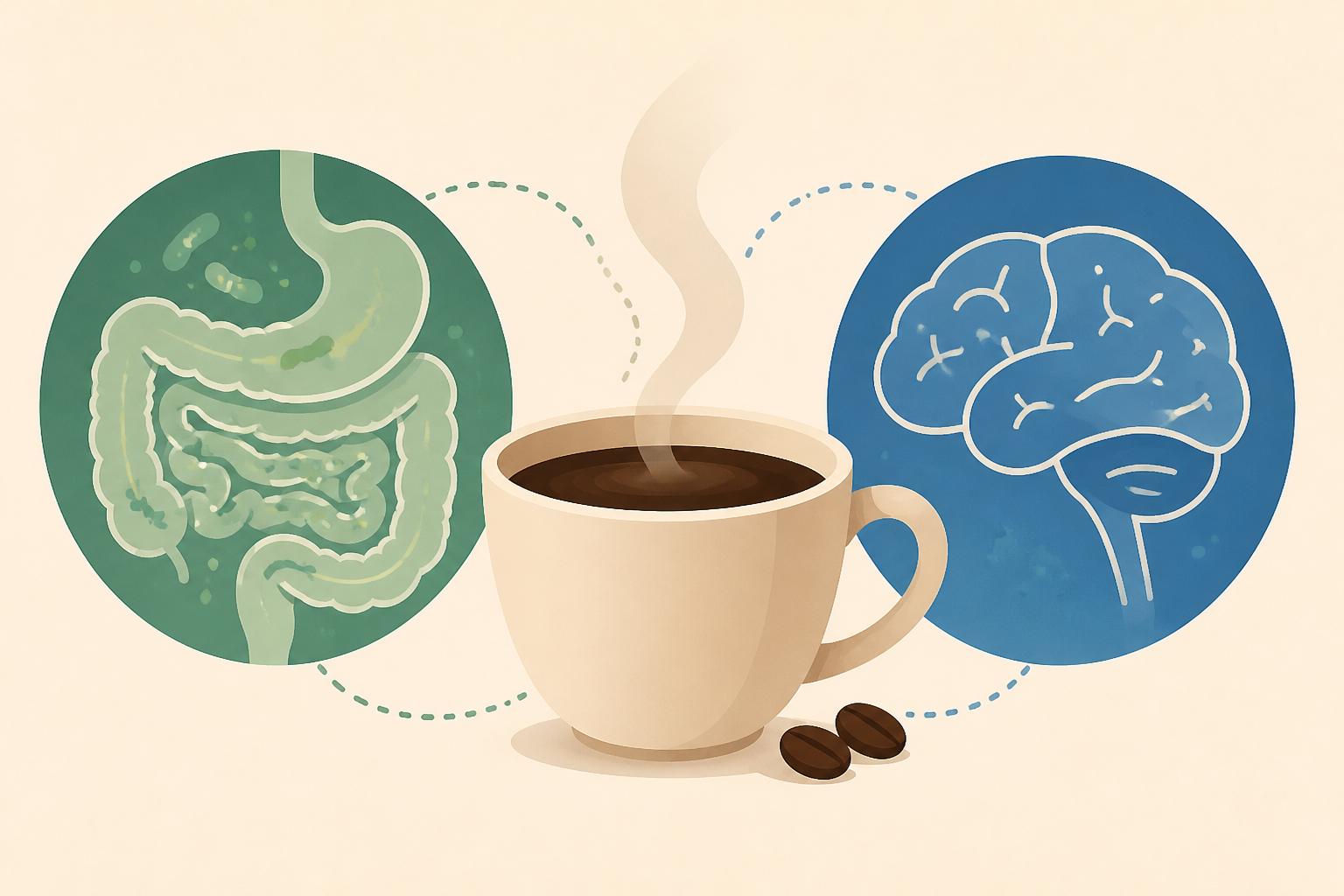
- A study by APC Microbiome Ireland at University College Cork found that both caffeinated and decaffeinated coffee influence the gut microbiome and are associated with changes in mood and stress levels, highlighting coffee's impact on the microbiota-gut-brain axis.
- Researchers observed that stopping coffee intake led to significant shifts in gut metabolites, while reintroducing coffee—without participants knowing caffeine content—resulted in reduced perceived stress, depression, and impulsivity, suggesting effects beyond caffeine alone.
- Coffee consumption was linked to increased abundance of certain gut bacteria, such as Eggertella sp. and Cryptobacterium curtum, which may promote a healthier intestinal environment, and higher levels of Firmicutes bacteria associated with positive emotions.
- Decaffeinated coffee improved learning and memory, while caffeinated coffee reduced anxiety and enhanced vigilance and attention, indicating that coffee's diverse chemical compounds, not just caffeine, contribute differently to cognitive and emotional effects.
- The study emphasizes coffee as a complex dietary factor that interacts with gut microbes, metabolism, and neurological health, potentially offering long-term benefits as part of a balanced diet, though further research is needed due to the study's small sample size.


