AI Generated Image
Scientists Link Heavy TV Watching to Brain Changes Decades Later
SciTechDaily • • health
Key Points:
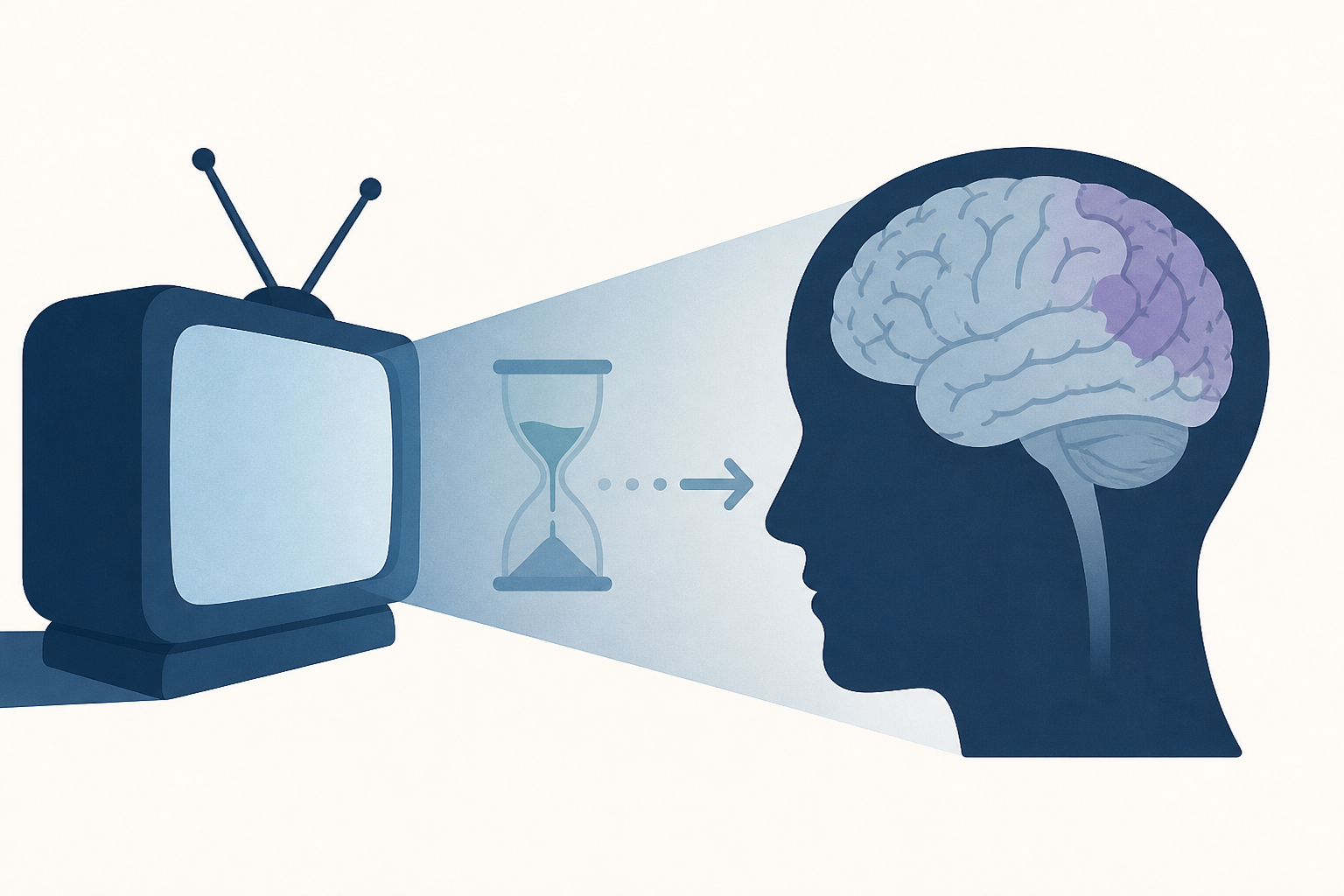
- A long-term study published in Alzheimer's & Dementia found that heavy television viewing in middle age is linked to structural brain changes associated with memory loss, vascular damage, and dementia more than 20 years later.
- MRI scans of about 1,700 participants revealed that frequent TV viewers had reduced brain volume in regions related to memory and Alzheimer's, smaller frontal and occipital lobes, and more white matter hyperintensities, which indicate small vessel brain damage.
- These associations persisted even after controlling for physical activity, diabetes, BMI, smoking, and alcohol use, suggesting that the content of sedentary behavior, not just sitting time, impacts brain health.
- In contrast, occupational sitting was linked to larger brain volumes and fewer white matter abnormalities, possibly due to mental engagement involved in desk-based work.
- The study highlights the need to differentiate types of sedentary behavior and suggests health advice should encourage replacing passive TV watching with mentally stimulating activities to better protect brain health.


