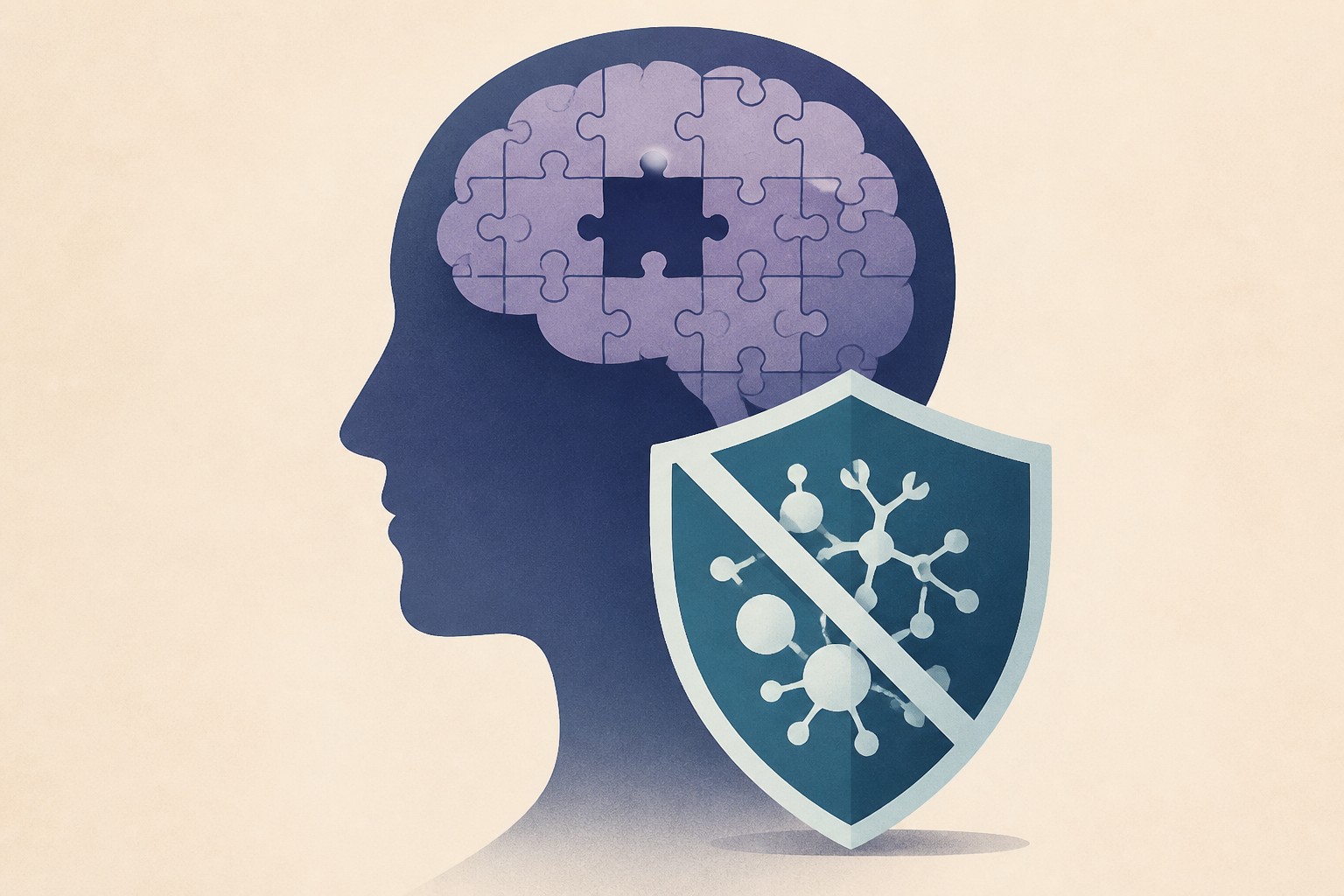
AI Image
Scientists may have finally figured out why the body fails to heal Alzheimer’s by itself
Yahoo • • health
Key Points:
- New research suggests that damage to bone marrow in Alzheimer's disease may impair the immune system's ability to restore brain health, shifting focus from brain protein misfolding to systemic effects.
- The study found that monocytes, a type of immune cell produced in bone marrow, have impaired development in both mouse models and human Alzheimer's patients, disrupting the brain's immune response.
- Alzheimer's disease appears to exhaust bone marrow stem cells' ability to replenish monocytes, leading to a weakened immune reinforcement for the brain's resident cells that clear amyloid plaques.
- Targeted therapies restoring monocyte production in mice improved disease pathology and increased immune cell migration to the brain, indicating potential new treatment avenues.
- Researchers emphasize that Alzheimer's is a systemic condition affecting the whole body, but caution that more human studies are needed to confirm these findings and develop effective therapies.


